Monocacy National Battlefield
On July 9, 1864, Union and Confederate forces met along the Monocacy River near Frederick, Maryland. The battle formed part of the third and final Confederate invasion of the North. Lieutenant General Jubal A. Early hoped to threaten Washington, D.C., draw Union troops away from Virginia and possibly influence the approaching presidential election.
After learning of Early’s advance, Union Major General Lew Wallace assembled a defensive force at Monocacy Junction. The location was strategically important because the Baltimore and Ohio Railroad and several roads leading toward Washington and Baltimore crossed the river there. Wallace’s approximately 6,600 soldiers faced a Confederate army more than twice their size.
The Confederates won the battle, forcing Wallace and his men to withdraw after hours of fighting. Strategically, however, the engagement achieved Wallace’s purpose. The resistance at Monocacy delayed Early’s advance by approximately one day, giving veteran Union reinforcements time to reach Washington and strengthen the capital’s defenses.
When Early arrived outside Washington, he found that the opportunity for a rapid attack had passed. His troops confronted the reinforced defenses near Fort Stevens before withdrawing into Virginia. Although Monocacy was a Union defeat on the battlefield, the delay helped prevent an attack on the capital from succeeding. The engagement consequently became known as “the Battle That Saved Washington”.
Congress authorized the establishment of Monocacy National Military Park on June 21, 1934, during the administration of President Franklin D. Roosevelt. The government did not initially provide the money needed to acquire and protect the land, however, and much of the battlefield remained privately owned and actively farmed for decades. Federal funding for land acquisition was finally provided in 1976, and the site later opened to the public in 1991 as Monocacy National Battlefield.
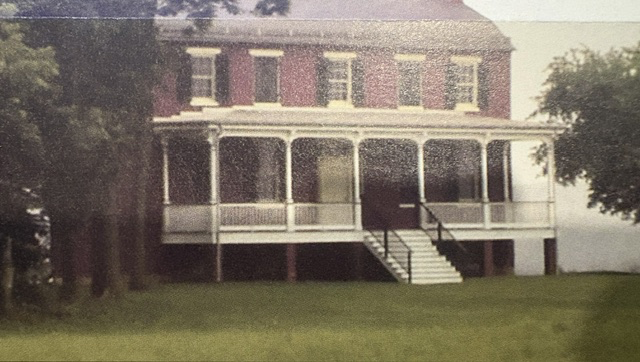
The preserved farms, fields, river crossings and historic buildings reveal how an otherwise quiet agricultural landscape became the setting for an event of national importance. Monocacy marked the Confederacy’s final major attempt to carry the war into the North, and the delay created there helped determine the outcome of its advance on Washington.
Read More From Nancy
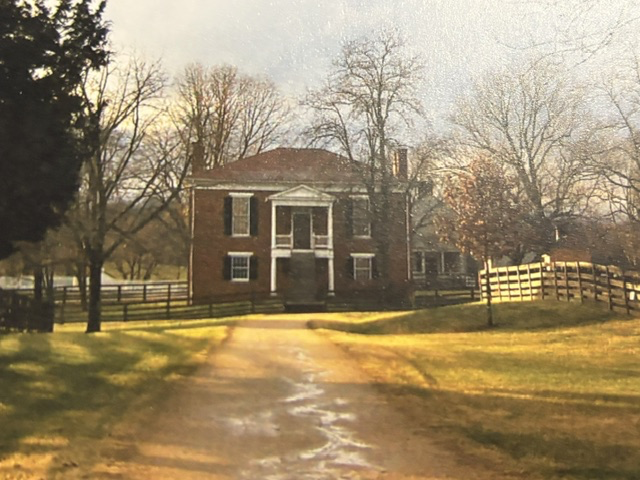
Appomattox Court House National Historic Park
The drive to Appomattox Court House took us through the rolling hills and quiet countryside of Virginia. As beautiful as the landscape is today, it is hard not to think about the hardship, sacrifice and bloodshed that the Civil War brought to this region and to the nation. Knowing that history makes arriving at this small village even […]
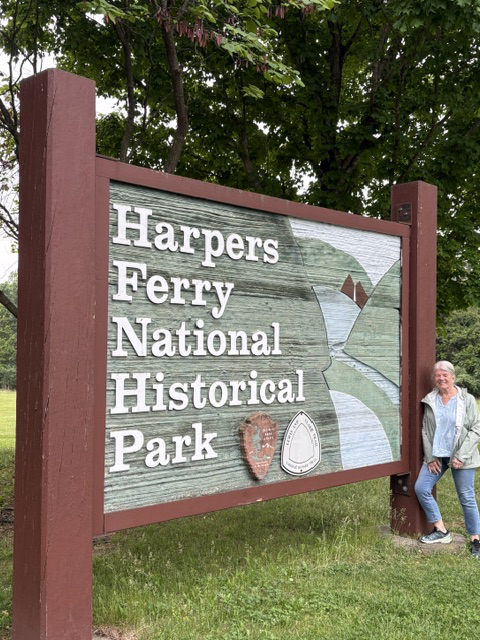
Harpers Ferry National Historical Park
A great opportunity to re-visit Harpers Ferry National Historical Park in 2026. Walking through the historic town once again and visiting John Brown’s fort and museum brought history back to life in a powerful way. Few places in America hold so many lawyers of history within such a small landscape. The town is forever tied to the events […]
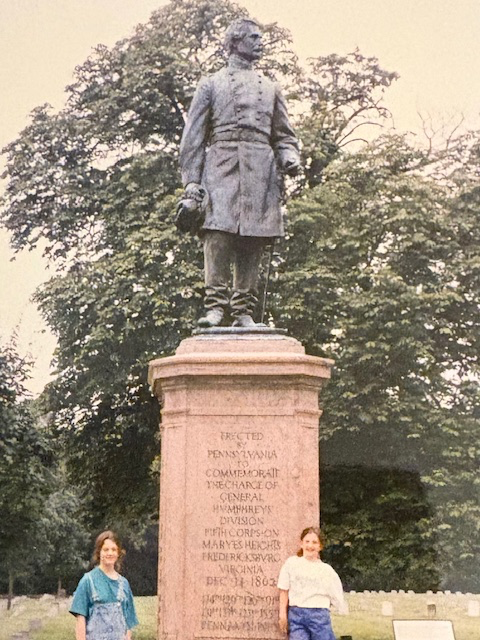
Fredericksburg and Spotsylvania National Military Park
On our travels to the 1996 Olympics in Atlanta, we took the time to visit some of the historic sites in Virginia. One of them was Fredericksburg and Spotsylvania National Military Park, a Civil War battlefield that holds the memory of one of the war’s most devastating encounters. This statue commemorates Andrew A. Humphreys and his […]

