Big South Fork National River and Recreation Area
The free-flowing Big South Fork of the Cumberland River and its tributaries pass through approximately 90 miles of scenic gorges and valleys in southeastern Kentucky and northeastern Tennessee. The protected landscape encompasses about 125,000 acres of forested plateaus, sandstone cliffs, natural arches, rock shelters and river corridors.
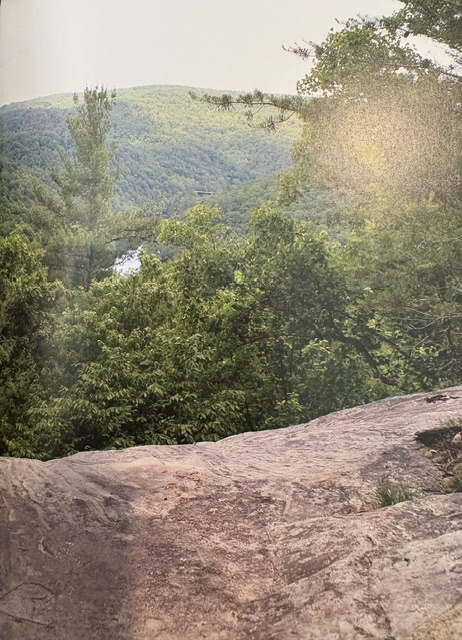
Water and erosion have shaped the region over millions of years. The river cut deeply into the Cumberland Plateau, exposing layers of sandstone and creating cliffs, overlooks and unusual rock formations. Numerous natural arches are scattered throughout the area, including Twin Arches, one of the largest natural bridge formations in the eastern United States.
The landscape also preserves the history of the people who lived and worked along the river. Farms, cemeteries, railroad remnants and former coal-mining communities record generations of settlement and industry. At Blue Heron, an outdoor interpretive site tells the story of a mining community that operated along the river during the first half of the 20th century.
Congress authorized Big South Fork National River and Recreation Area on March 7, 1974, during the administration of President Richard Nixon. The United States Army Corps of Engineers initially developed the recreation area before management was transferred to the National Park Service in 1991.
The area offers hiking, horseback riding, mountain biking, camping, fishing, paddling, climbing and wildlife observation. Its extensive trail system and free-flowing river allow visitors to experience both the natural features of the Cumberland Plateau and the cultural history preserved within its valleys.
Read More From Nancy
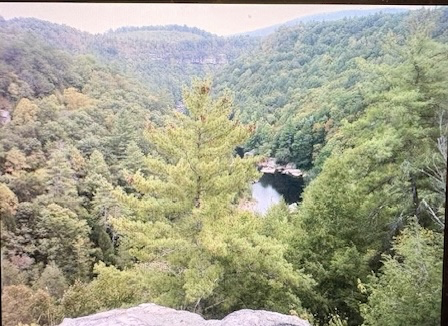
Obed Wild & Scenic River
When I traveled through Tennessee, I found myself moving through the landscape of the Obed Wild and Scenic River. Unlike many places we visit and clearly arrive at, this was a landscape you enter without gates or formal entrances. At the Obed WSR there are miles of creeks and rivers. This remarkable river system came […]
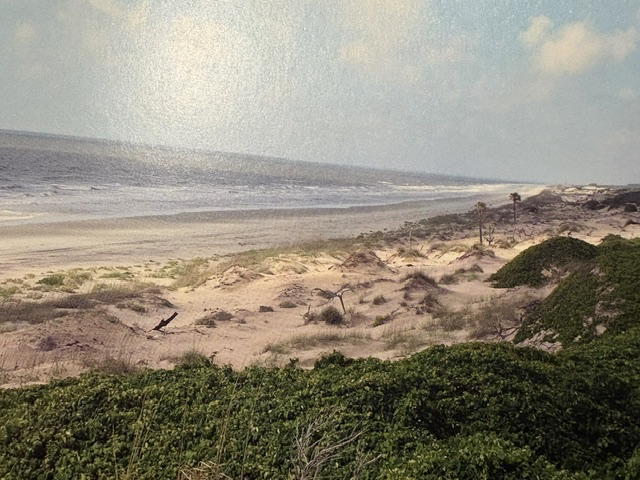
Cumberland Island National Seashore
A visit to Cumberland Island National Seashore requires a bit of planning, but the effort is well worth it. Located off the coast of Georgia, the island is accessible only by boat, helping preserve the undeveloped character that makes it one of the most unique places in the National Park System. Arriving by ferry feels like stepping […]
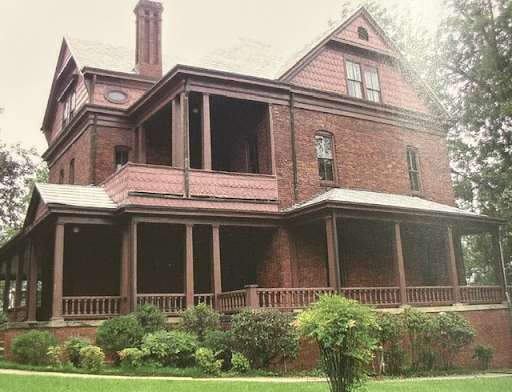
Tuskegee Institute National Historic Site
A visit to the Tuskegee Institute National Historic Site is an opportunity to explore one of the most important educational institutions in American history. Established as a National Historic Site in 1974, the park preserves a portion of the original Tuskegee Institute campus and the legacy of Booker T. Washington, whose vision helped transform educational opportunities for […]

