Martin Luther King Jr. National Historical Park
We have visited Martin Luther King Jr. National Historical Park many times over the years, and each visit unfolds a little differently.
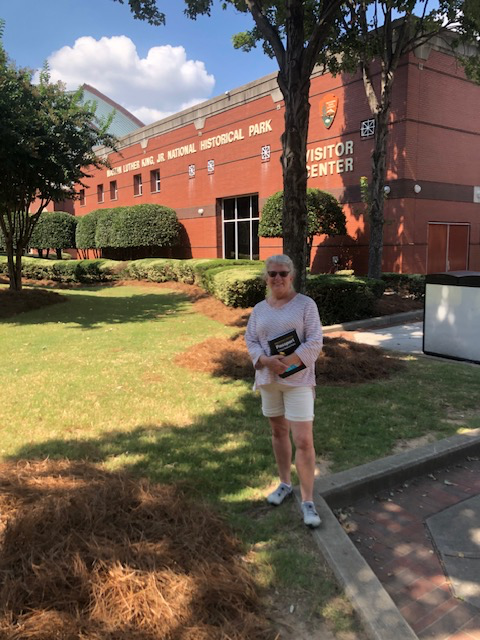
Originally, this area was established in 1980 as an Historic Site by Jimmy Carter. It was later redesignated as a National Historical Park in 2018, expanding its recognition and preserving the broader legacy of Dr King’s life and work.
And it is here in Atlanta for a very specific reason.
This is not just a place that honors Martin Luther King Jr, this is where his life was rooted. He was born here in 1929, grew up on Auburn Avenue, preached at Ebenezer Baptist Church alongside his father, and returned here throughout his life. Even as his influence spread across the nation and the world, Atlanta remained his home. After his assassination in 1968, it was here where he was laid to rest. Preserving this site means preserving not just his memory, but the environment that shaped him.
We don’t always walk through every part of the park. Sometimes we return to a place we’ve already seen. Sometimes we simply wander. And sometimes, we go straight to the reflecting pool.
On one visit, it might be the quiet presence of Ebenezer Baptist Church that draws us in. On another visit we may find ourselves thinking about the childhood home and how such an ordinary beginning could give rise to such an extraordinary life. And other times, our steps lead us directly to the King Center.
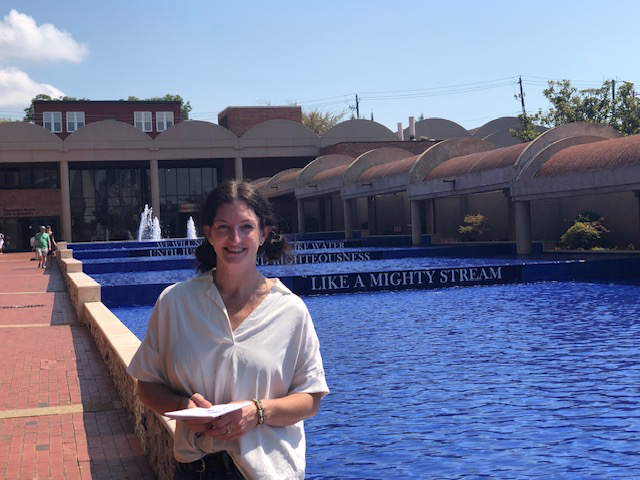
There, surrounded by still water, is the tomb. In the center rests Dr. King and Coretta Scott King beside him. The white marble stands quietly within the reflecting pool, open to the sky, simple yet deeply powerful. The words engraved there, “Free at last, Free at last. Thank God Almighty I’m Free at last,”
It is in that stillness that you realize this is not the end of a story, but the continuation of one. A life that began here still speaks, through the space, the silence and all of us who come to listen.
Read More From Nancy
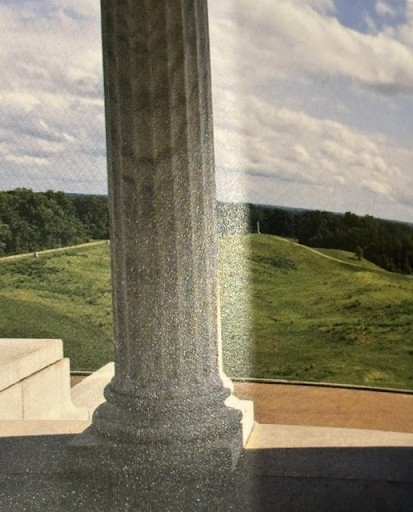
Vicksburg National Military Park
National Military Park in Vicksburg, Mississippi, preserves one of the most decisive campaigns of the Civil War. Established as a National Military Park in 1899, it commemorates the siege of Vicksburg, which ended with a Union victory on July 4, 1863. With the surrender of the city, the Union gained control of the entire Mississippi […]
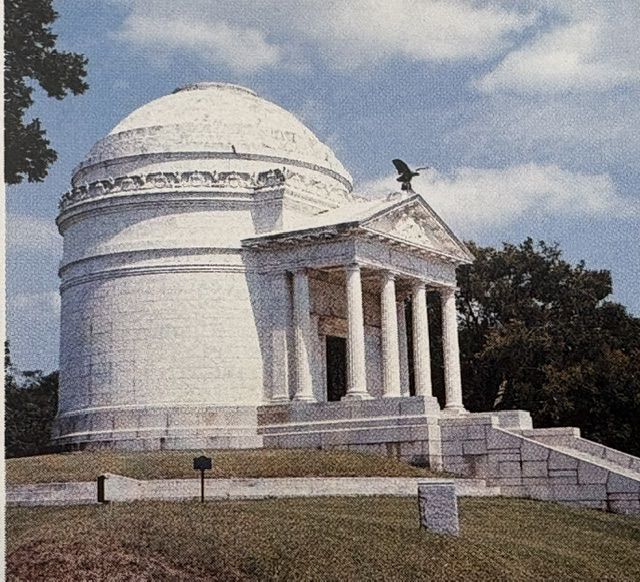
Vicksburg National Military Park
The campaign for Vicksburg was one of the most decisive military operations of the Civil War. Perched high above a bend in the Mississippi River, Vicksburg controlled movement along the nation’s most important waterway. Its formidable defenses earned it the name “Gibraltar of the Confederacy”. As long as the city remained in Confederate hands, the […]
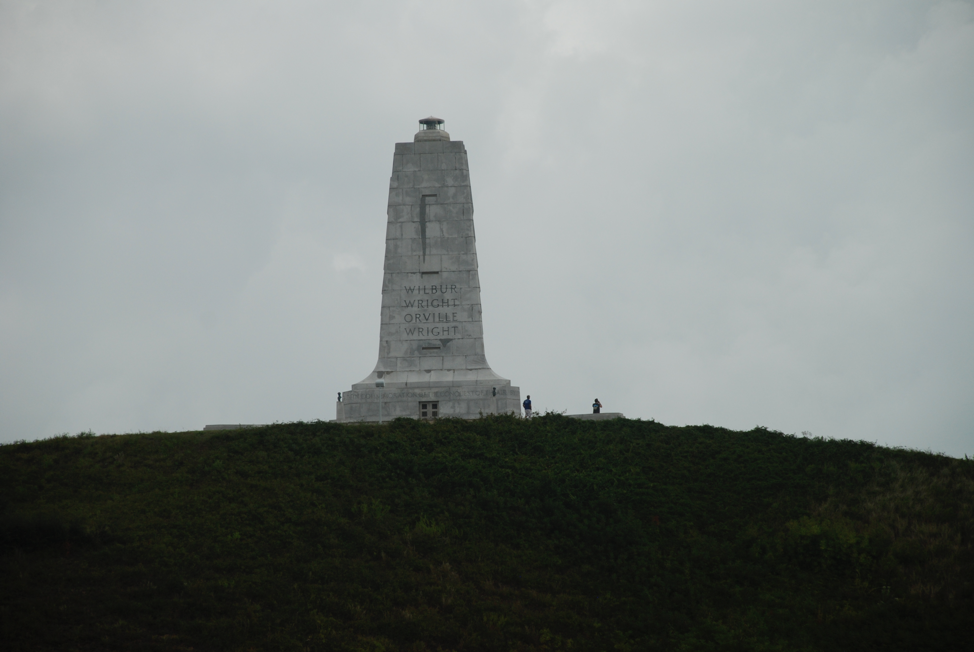
Wright Brothers National Memorial
When visiting the Outer Banks of North Carolina, Erin and I spent a day at the Wright Brothers National Memorial, the very place where powered flight first lifted off the plane and changed human history. Set in Kill Devil Hills, the memorial preserves the windswept dunes where Wilbur and Oliver Wright achieved the world’s first successful, […]

