Winant Pictured as Ill
November 4, 1947Dearest Reader,
Among my mother’s papers, I found this newspaper clipping from the New York World-Telegram, dated November 4, 1947. At first glance, it appears to be an ordinary newspaper article, but it captures one of the final chapters in the life of one of New Hampshire’s most respected public servants. Just fifteen days after this story was published, John Gilbert Winant died at his home in Concord.
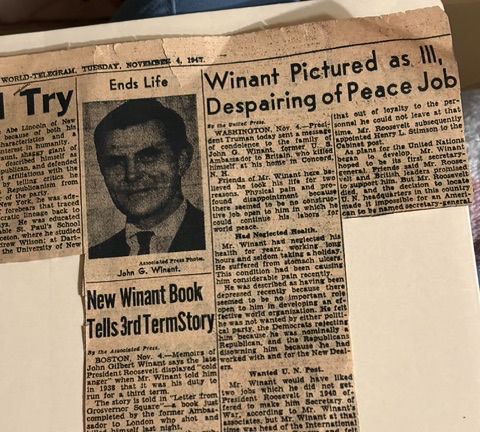
Winant’s career had been extraordinary. He served three terms as Governor of New Hampshire during the Great Depression, earning a national reputation for placing public service above politics. President Franklin D. Roosevelt later appointed him head of the Social Security Board and then Ambassador to Great Britain, where he represented the United States throughout much of World War II. His compassion, integrity, and commitment to democratic ideals earned him the admiration of both Americans and the British people.
When the war ended, many believed Winant’s international experience and reputation made him a leading candidate to become the first Secretary-General of the newly created United Nations. Instead, the position was awarded to Norwegian diplomat Trygve Lie. The article reports on the disappointment that followed and describes Winant as struggling both emotionally and financially after years devoted to public service.
Reading the article today is striking because we know what the reporters did not. They were covering what they believed was an important political story—the uncertain future of a distinguished statesman who had suddenly disappeared from public life. They could not have known that they were documenting the final weeks of his life.
The headlines reflect a very different era of journalism. Newspapers in the 1940s often reported openly on the personal lives and emotional struggles of prominent public figures in ways that would be considered inappropriate today. Looking back, historians recognize that Winant was likely suffering from severe depression, but at the time mental illness was poorly understood and rarely discussed with compassion.
I don’t know why my mother saved this clipping. Perhaps she admired Winant as one of New Hampshire’s greatest leaders. Perhaps she was moved by the tragedy of his death. Whatever the reason, she preserved more than a newspaper article. She saved a contemporary account of a man who had dedicated his life to serving others, reminding us that public achievement does not shield anyone from private struggles.
Today, this fragile clipping offers more than a glimpse into the news of 1947. It reminds us that history is often written before its ending is known. What readers saw that November morning was the story of a respected statesman facing uncertainty. Only later would they realize they had been reading the final chapter of the life of one of New Hampshire’s most remarkable sons.
Dr. Nancy Watson
Washington
Read More From Nancy
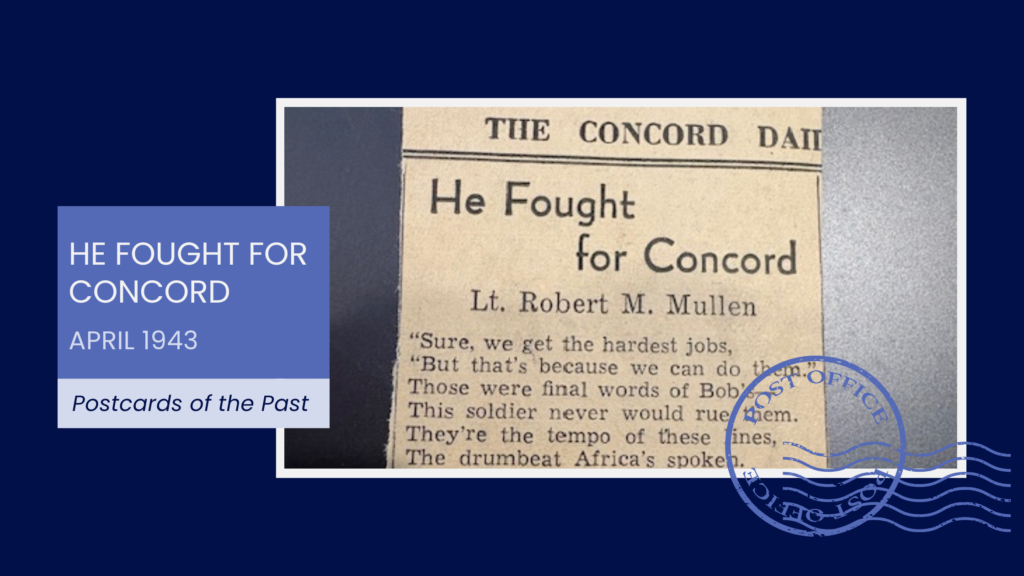
He Fought for Concord
This small clipping from the Concord newspaper, dated April 8, 1943, is not a report. It is a tribute. Written for Lt. Robert M. Mullen, a young man from Concord, it moves beyond facts and into reflection. It begins with his own words: confidence, resolve, and then shifts into a quiet, rhythmic remembrance of a life lost […]
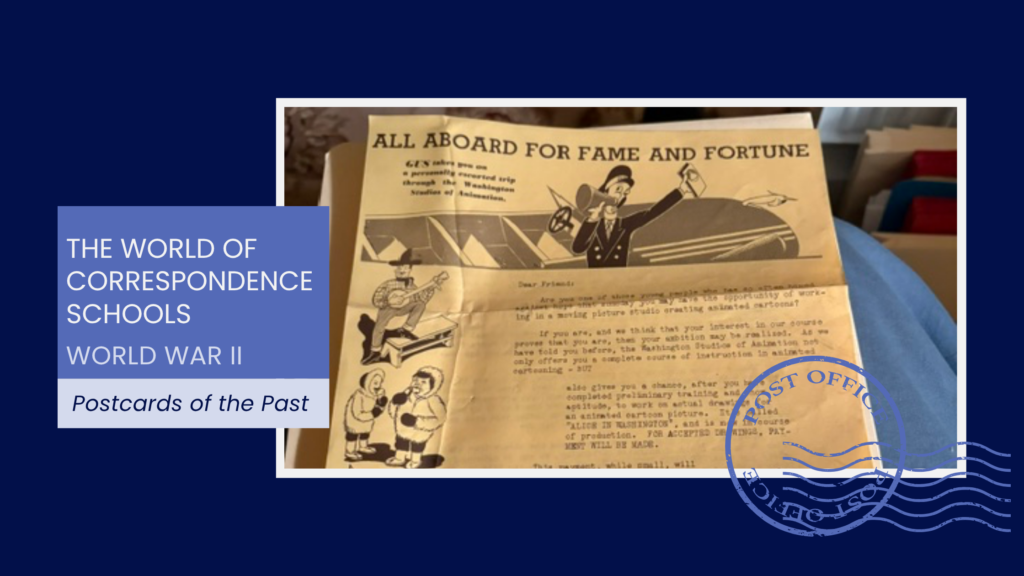
The World of Correspondence Schools
This advertisement from my father’s papers represents something that was once a familiar part of American life—the correspondence school. Long before online courses, instructional videos, or even widespread community colleges, companies promised that almost anyone could learn a new skill and perhaps begin a new career without ever entering a classroom. This advertisement came from the Washington […]
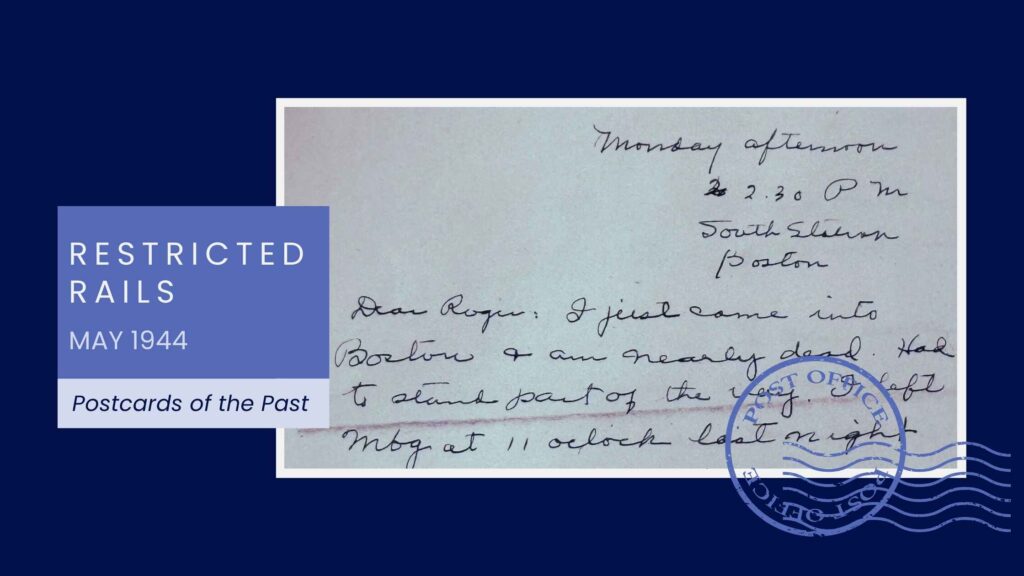
Restricted Rails
My parents were married in May of 1944 while my father was home on furlough, a brief pause in the turmoil of a world at war. The letters they left behind include tender notes between two young newlyweds and the steady, pleading correspondence from my grandmother to her only son. These letters form an intimate […]

