Winant Death Followed First Suicide Failure
November 1947Dearest Reader,
Among my mother’s collection of John Gilbert Winant clippings was this newspaper article announcing his death. The headline is stark: “Winant Death Followed First Suicide Failure.” It reports the facts as they were known on November 4, 1947, describing the discovery of Winant at his home in Concord, New Hampshire, and the investigation that followed.
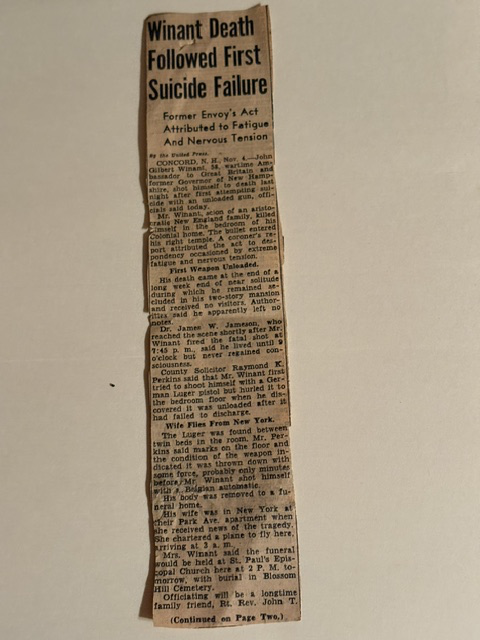
Reading the article today, I am reminded how differently newspapers once covered personal tragedy. The report is direct and factual, providing details that modern journalists would likely omit. It reflects the style of mid-twentieth-century reporting, when newspapers focused on documenting events rather than exploring the emotional or psychological struggles behind them.
By the time of his death, John Gilbert Winant had already lived an extraordinary life. He had served three terms as Governor of New Hampshire during the Great Depression, earning a reputation for compassion, integrity, and a willingness to tackle difficult social problems. During World War II, he became the United States Ambassador to Great Britain, working closely with Winston Churchill through the darkest years of the conflict and helping strengthen one of history’s most important alliances.
Despite those accomplishments, Winant struggled privately with depression and personal difficulties. His death on November 3, 1947, shocked not only New Hampshire but the entire nation. For many people, it was difficult to reconcile the respected public servant they admired with the personal pain he had carried in silence.
What strikes me most about finding this clipping is that my mother saved it alongside other articles about Winant’s life. She preserved not only the speeches he gave and the editorials that celebrated his service, but also the difficult headline announcing his death. Together, they tell a more complete story of a man whose life cannot be understood through a single moment.
Dr. Nancy Watson
Washington
Read More From Nancy
Schofield Barracks
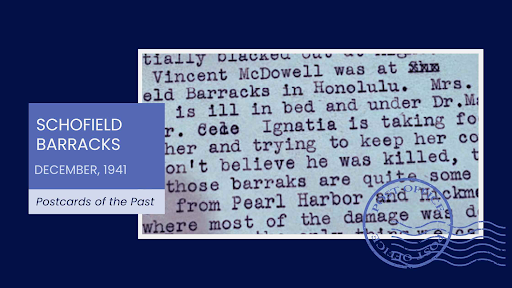
Schofield Barracks sits in the center of Oahu, inland from the coast. Established in 1908 and named for Lt. Gen John M Schofield, the post was deliberately placed away from the shoreline to function as a permanent U.S. Army installation. It was designed for training, housing and command and not for naval operations. By 1941, Schofield […]
Lady in the Dark
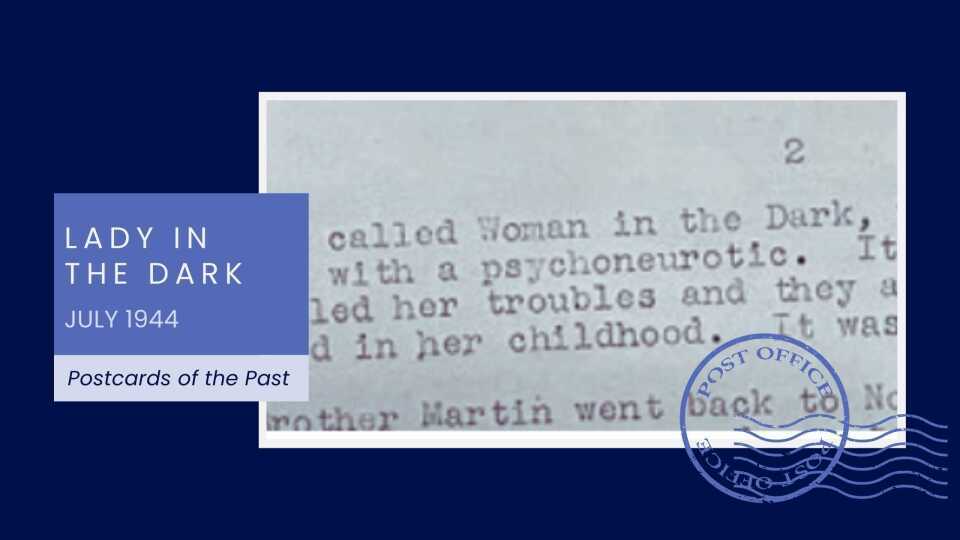
The film my grandmother saw in 1944 was Lady in the Dark, starring Ginger Rogers. Although she remembered it as Woman in the Dark. Released in 1944, Lady in the Dark tells the story of Liza Elliott, a successful magazine editor suffering from anxiety, mood swings and troubling dreams. The movie explores her struggle with […]
Lt. Douglas McKee Missing in Germany
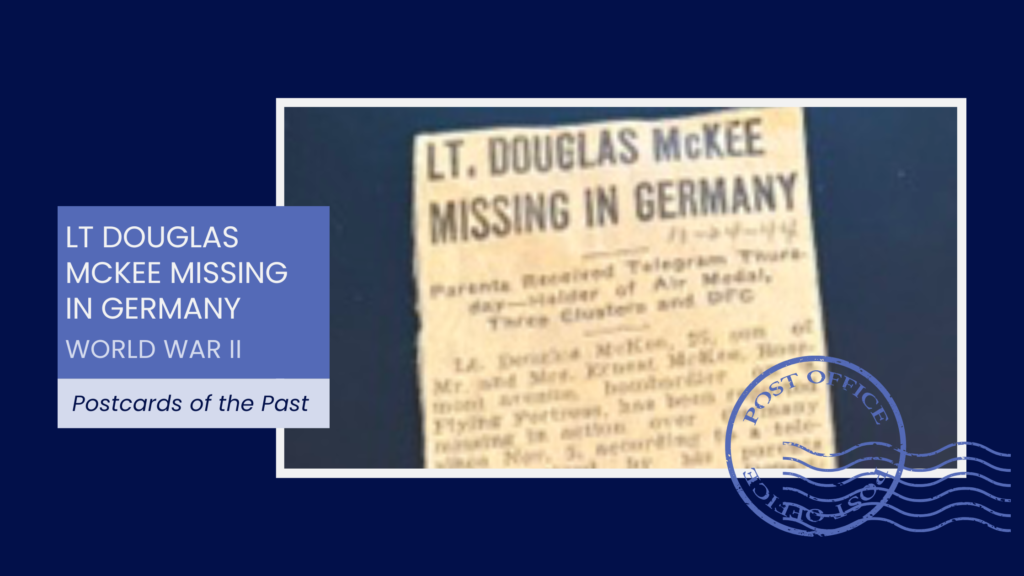
Among the wartime newspaper clippings preserved by my parents is this article about Lt. Douglas McKee of Martinsburg, West Virginia. The reason this one would have been saved is because Martinsburg was my father’s hometown, and throughout their lives my parents kept newspaper articles that helped preserve the stories of communities that shaped their families. The article reports […]

