Willard House & Clock Museum
The Willard House in North Grafton began as a family home long before it became a museum. Built about 1718 for Joseph and Martha Willard, it is among Grafton’s oldest surviving houses, predating the town’s incorporation in 1735. Its red clapboards, simple roofline, and substantial chimney reflect the practical character of an early New England farmhouse.
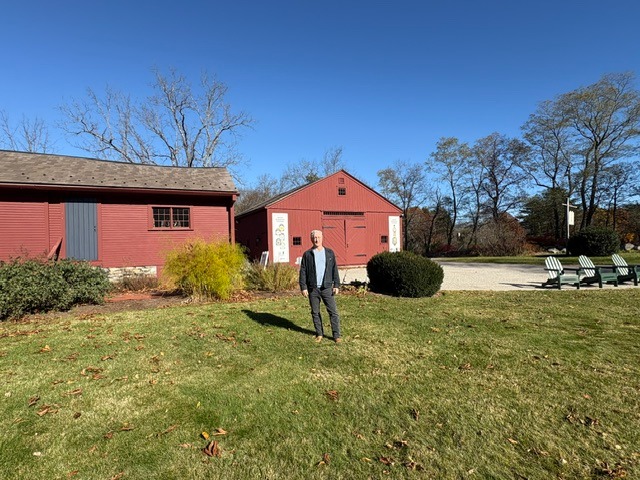
The property connected several generations of the Willard family. Joseph and Martha were the grandparents of Benjamin, Simon, Ephraim, and Aaron—the four brothers who would establish the family’s reputation as clockmakers. The brothers grew up on this rural homestead, where household responsibilities, farm work, and learning useful skills were closely connected.
Benjamin, the oldest of the four clockmaking brothers, began making clocks here in 1766. His younger brothers learned the trade, beginning a family enterprise that continued through later generations. The workshop beside the house makes that relationship between home and livelihood especially clear. A craft that eventually reached customers far beyond Grafton took root within the setting of a family farm.
The house also preserves evidence of the family beyond its professional accomplishments. Portraits, furnishings, personal correspondence, and other heirlooms help tell the story of the people who lived here. Those objects give individual identities to a surname more often associated with the finished work of its craftsmen.
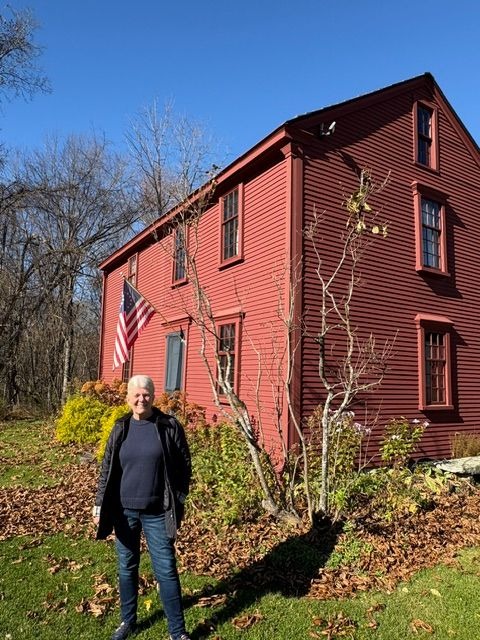
The homestead survives today largely through the efforts of Dr. Roger and Imogene Robinson, who purchased the property in 1968 and opened the museum to the public in 1971. Preserving the house alongside the workshop kept an essential part of the Willard story intact: the family setting from which its generations of craftsmanship emerged.
Read More From Nancy
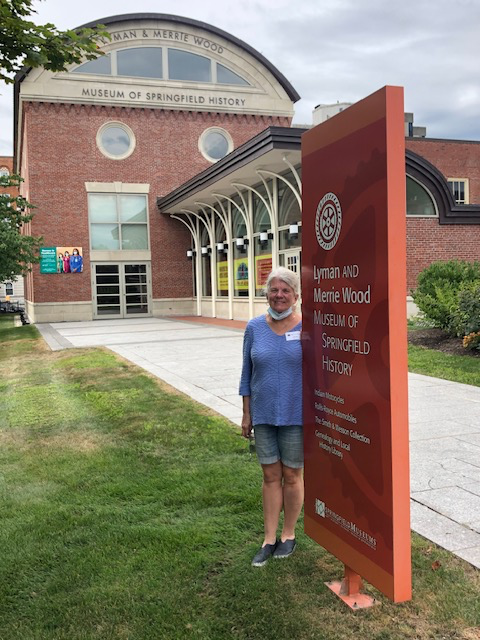
The Lyman and Merrie Wood Museum
Springfield has a remarkable number of stories to tell about things made here. Motorcycles, automobiles, dictionaries, games, and precision machinery all came from a city whose workers and inventors shaped life far beyond western Massachusetts. When we visited the Lyman and Merrie Wood Museum of Springfield History, we found a place built to bring those […]
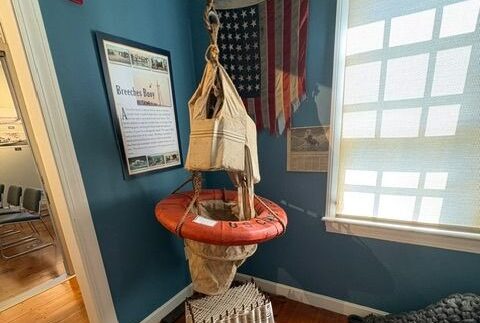
The Breeches Buoy
A life ring with a pair of canvas trousers attached may seem an unlikely means of escaping a shipwreck. Yet the breeches buoy offered a way to bring people safely ashore when a stranded vessel was within reach of land and the surf made launching a rescue boat too dangerous. The exhibit in Chatham preserves […]
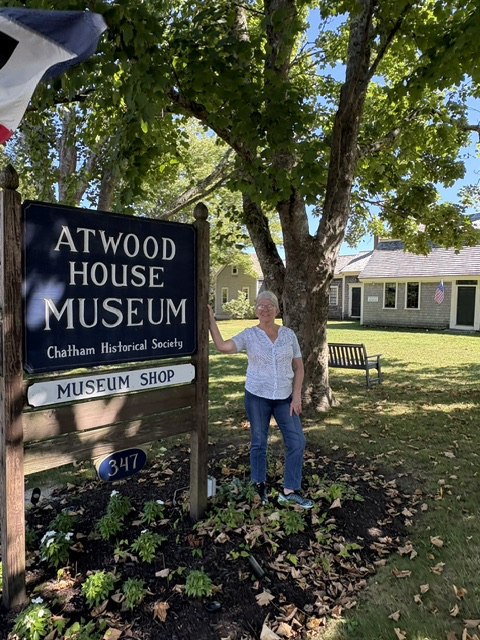
Atwood Museum
Joseph Sears Atwood was born in Eastham in 1720 and first went to sea at the age of ten. Like many young boys beginning a maritime career, he started as a cook aboard fishing vessels sailing to Nova Scotia and the Grand Banks. He gradually advanced through the ranks, becoming a seaman, mate, chief mate […]

