What are Some of the Influences that Affect Your Child’s Facial Growth?
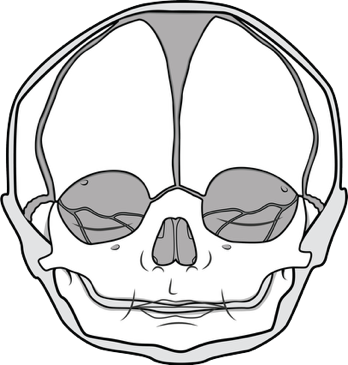
When you look at your child’s face, you probably notice features that remind you of other family members. Perhaps your child has your eyes, your partner’s chin, or a grandparent’s smile. We often think that the way a child’s face looks is determined entirely by genetics. But there is more to the story.
While genetics plays an important role, the way your child’s face grows is also influenced by how they breathe, swallow, chew, and use the muscles of their mouth and face. Your child’s face is constantly changing as they grow. Their brain develops, their teeth begin to appear, their jaws grow, and they learn new skills such as eating solid foods and speaking. All these changes are connected.
Understanding how these different activities influence facial growth can help you recognize important patterns in your child’s development. When a baby is born, their head is quite large compared with their face. This is because the brain grows rapidly during the early years of life. As your child gets older, their face begins to change. The upper and lower jaws grow, the nose and nasal passages develop, and the teeth gradually come in.
These changes are not just about appearance. The bones and muscles of the face also help your child breathe, eat, speak, and sleep comfortably. For example, the upper jaw forms the roof of the mouth and part of the floor of the nose. This means that the development of the upper jaw is closely connected to the space available inside the mouth and nasal passages.
The lower jaw grows in relationship to the upper jaw, the teeth, and the muscles used for chewing and swallowing. Because all these structures work together, the way your child uses their mouth and facial muscles can play a role in how their face develops.
Most children naturally breathe through their noses when they are resting. The nose does more than simply let air in. It helps warm, moisten, and filter the air before it reaches the lungs. Nasal breathing also allows the mouth, tongue, and jaw to rest in a comfortable position. When your child is breathing easily through their nose, you may notice that their lips are gently closed, their jaw is relaxed, and their tongue rests against part of the roof of the mouth.
These resting positions matter because the tongue, lips, and cheeks all place gentle pressure on the developing teeth and jaws. Over time, the balance of these forces helps influence how the palate, jaw, and face develop.
You may have noticed that your child sometimes sits with their mouth open, especially while watching television, reading, or sleeping. Occasional mouth breathing is common, particularly when a child has a cold or a stuffy nose. However, if your child regularly breathes through their mouth, even when they are not sick, it is worth paying attention.
There are several possible reasons for this. Your child may have allergies, ongoing nasal congestion, enlarged tonsils or adenoids, or another condition that makes breathing through the nose difficult. When the nose does not provide enough airflow, opening the mouth may be the child’s way of making breathing easier. This is an important point for parents to understand. Mouth breathing is not always a bad habit. Sometimes it is your child’s way of adapting to a breathing difficulty. Rather than simply telling your child to close their mouth, it is more helpful to ask why they need to keep it open.
When a child regularly breathes through their mouth, the position of their tongue, lips, and jaw may change. Instead of resting against the roof of the mouth, the tongue may sit lower. The lips may remain apart, and the lower jaw may hang slightly open. Over time, these patterns may be associated with changes in how the teeth and jaws develop. Some children who regularly breathe through their mouths have narrower upper dental arches, a longer facial appearance, or differences in how their upper and lower teeth fit together.
Facial growth is influenced by many things, including genetics, natural growth patterns, and individual differences in anatomy. Mouth breathing does not automatically mean that your child will develop facial problems. Likewise, a child with a narrow upper jaw does not necessarily have a breathing problem. What matters is recognizing patterns that may deserve further attention.
You do not need special equipment to begin noticing how your child breathes.
Watch your child during ordinary activities, such as reading, playing quietly, watching television, or sleeping.
Ask yourself:
- Does my child usually breathe through their nose or mouth?
- Are their lips gently together when they are relaxed?
- Does their mouth stay open even when they do not have a cold?
- Do they frequently have a stuffy nose or allergies?
- Do they snore regularly or seem restless while sleeping?
- Have I noticed changes in the way their teeth or jaws are developing?
These observations do not mean that something is necessarily wrong. They simply give you information about how your child is developing. If you notice persistent mouth breathing, regular snoring, or difficulty breathing through the nose, you may want to seek professional advice.
The next time you watch your child quietly playing or sleeping, take a moment to notice how they breathe. It is one more way to learn about their development and better understand the remarkable changes taking place as they grow.


Read More From Nancy
Letting Children Step into the Story
When our daughters were young, we didn’t want their education to exist only in books and classrooms. We wanted them to experience the things they were learning about. To walk through historic places, hear the stories, touch what they were allowed to touch, ask questions, and interact with the people bringing the past to life. […]

Movement and Reflexes
Babies are born with automatic responses called primitive reflexes. These early reflexes support important activities such as feeding, responding to touch, and reacting to sudden changes in position. They give us a glimpse into how the newborn nervous system functions before a baby has developed more intentional control of movement. You may recognize some of […]

The Hidden Costs of Swaddling: Why Freedom of Movement
When our daughters were babies, we quickly discovered how much advice parents receive about helping their newborns sleep. Everyone seemed to have a suggestion about how to keep a baby comfortable, settled, and sleeping longer. One practice that has been passed down through generations is swaddling—wrapping a baby snugly in a blanket to limit movement […]

