Victoria
While teaching in Vancouver several years ago, we decided to take the ferry across to Vancouver Island and spend some time exploring Victoria. Almost immediately, I understood why so many people describe it as one of the most beautiful cities in Canada. Walking through its streets, surrounded by elegant architecture, colorful gardens, and the sparkling waters of the Inner Harbour, it felt less like North America and more like a small European city.
Victoria was founded in 1843 as a Hudson’s Bay Company trading post and named for Queen Victoria. As British settlement expanded on Vancouver Island, the city became the capital of the Colony of Vancouver Island and, later, the capital of British Columbia. Throughout its history, Victoria retained a distinctly British character, something that is still evident today in its architecture, gardens, traditions, and public spaces.
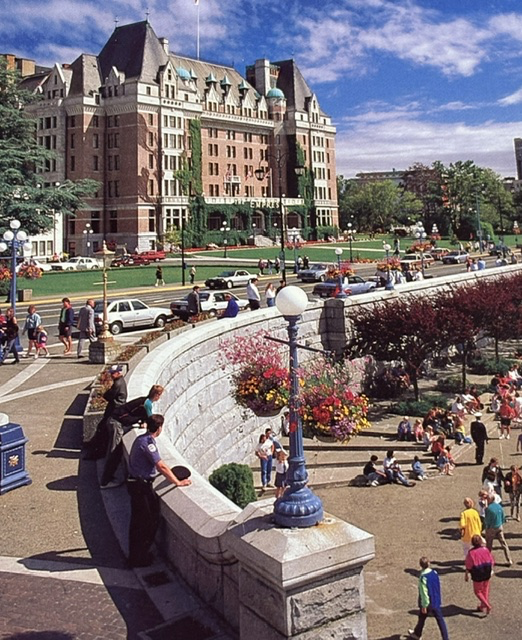
The heart of the city is the Inner Harbour, where historic buildings line the waterfront. The magnificent Parliament Buildings, completed in 1898, stand beside one of Canada’s most famous hotels: the Fairmont Empress.
Opened in 1908 by the Canadian Pacific Railway, the Empress was built as one of a series of grand railway hotels that welcomed travelers crossing Canada by train and steamship. Designed in the château style inspired by the great castles of France, it quickly became a symbol of Victoria itself. For more than a century, it has welcomed royalty, heads of state, celebrities, and visitors from around the world while overlooking one of the most picturesque harbors on the continent.
One of the highlights of our visit was enjoying the hotel’s famous afternoon tea. Since the day the hotel opened, afternoon tea has been one of its signature traditions. Served with fine china, silver teapots, warm scones, finger sandwiches, and beautifully prepared pastries, it reflects Victoria’s enduring connection to its British heritage. Rather than simply enjoying a meal, we found ourselves taking part in a tradition that has been enjoyed by generations of visitors for well over a century.
Read More From Nancy
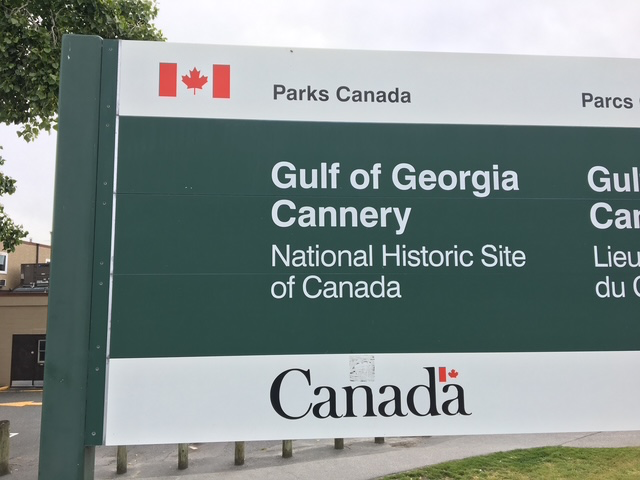
Gulf of Georgia Cannery
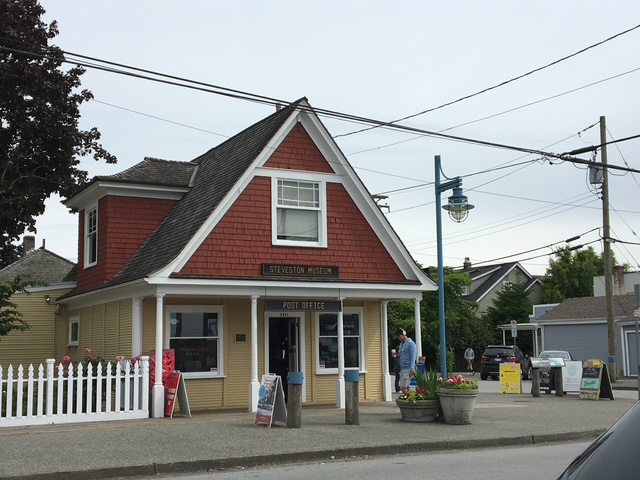
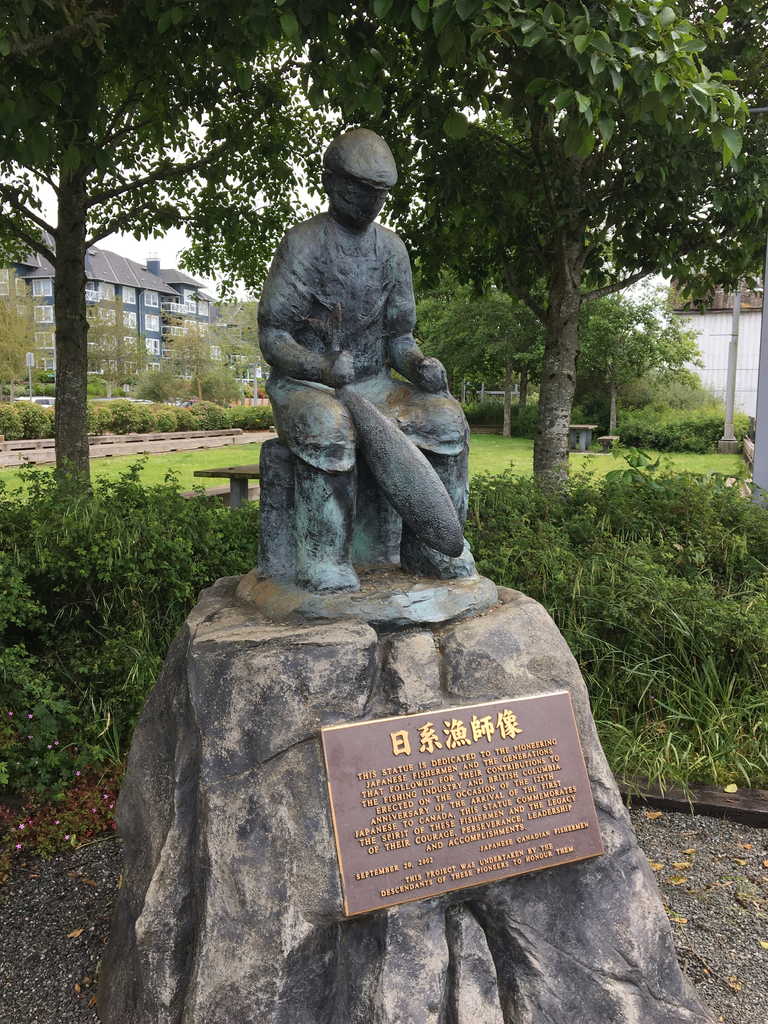
While teaching in Vancouver, Marty and I took a drive to the historic fishing village of Steveston to visit the Gulf of Georgia Cannery National Historic Site. Located at the mouth of the Fraser River, Steveston was once the center of British Columbia’s salmon fishing industry. Today, the beautifully preserved cannery tells the story of […]
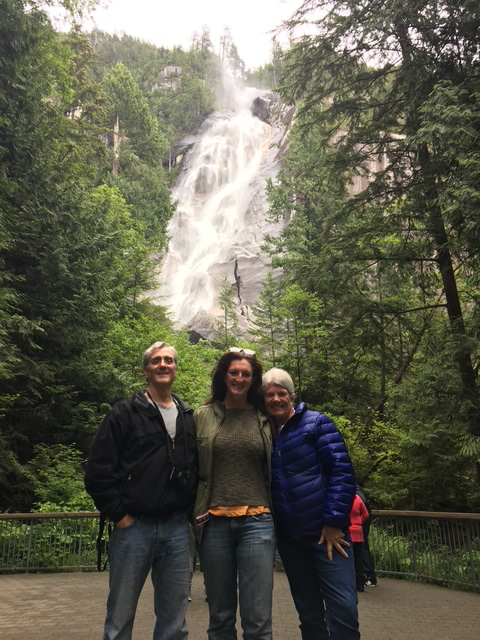
Shannon Falls
After teaching in Vancouver, we decided to take a few days to spend some time in beautiful British Columbia. We headed toward Whistler, following the Sea-to-Sky Highway, a drive that lives up to its name with views that shift between ocean, mountains and forest. Along the way, we stopped at Shannon Falls. Even seeing it, you can hear […]
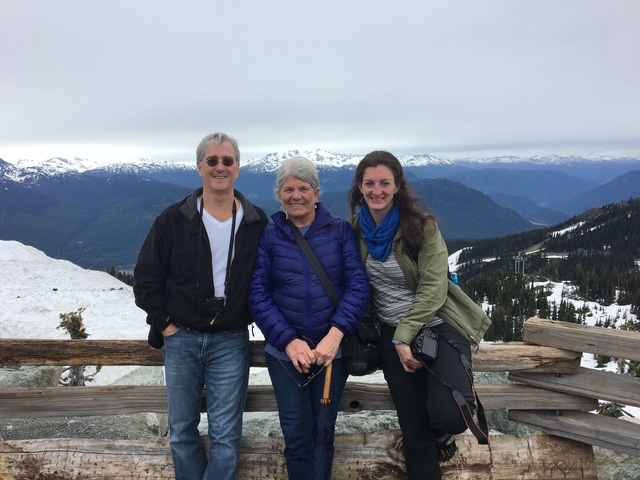
Whistler Blackcomb
A seminar in Vancouver led to a journey north to Whistler Blackcomb, and into one of the most beautiful landscapes in British Columbia. Exploring this area means moving between two worlds. At the base, the village is alive with activity, but as you rise into the mountains, that changes. The environment opens, and the scale […]

