Thomas Cole National Historic Site
Thomas Cole is often considered the founder of the Hudson River School, America’s first true artistic movement. His home at Thomas Cole National Historic Site is modest, especially when compared to the grand estates of some of his students, yet this quiet setting became an important gathering place for artists.
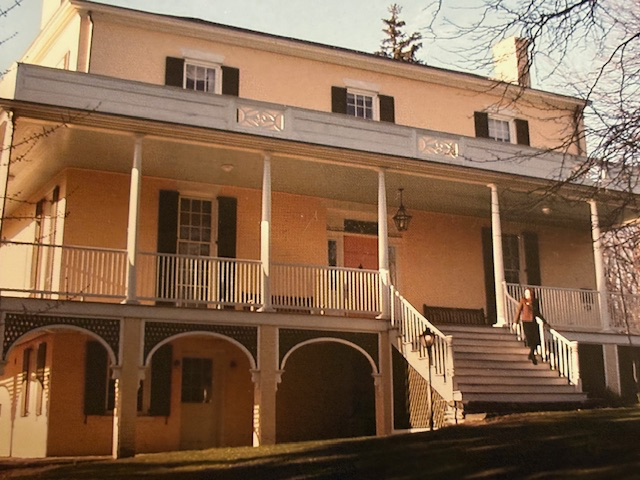
Within these walls, and in the surrounding landscape, ideas were shared, techniques were refined, and a distinctly American vision of art began to take shape. The Hudson River School was not a formal school, but rather a group of artists united by a shared philosophy: to capture the beauty, power, and spiritual presence of the American landscape. Their work celebrated the wilderness at a time when much of the country was still being explored, presenting nature not just as scenery, but as something deeply meaningful and almost sacred.
Cole’s influence extended far beyond this home. His students, including Frederic Edwin Church and Asher B. Durant, carried these ideas forward, creating larger, more dramatic works and building grand homes and studios that reflected their success. Through them, the movement spread across the country, shaping how Americans saw their land, from the Hudson Valley to the American West.
The Hudson River School helped define a national identity, placing value on preservation, beauty, and the emotional connection to nature. Its influence can still be seen today, not only in art, but in the creation of national parks and the enduring desire to protect these landscapes.
The home itself was preserved and designated a National Historic Site in 1999. This recognition ensured that the place where this movement began would be protected and shared with future generations.
From this place, a movement began, one that changed how a nation saw itself and its land.
Read More From Nancy
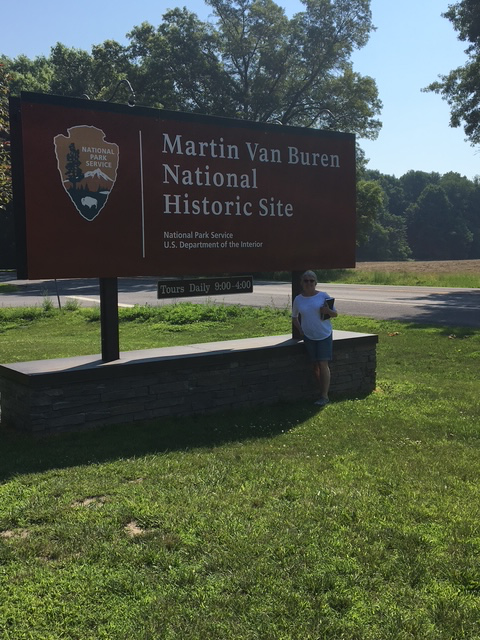
Martin Van Buren National Historic Site
An often-forgotten president, Martin van Buren, is remembered at his home, Lindenwald, in Kinderhook, New York. This site is now preserved as the Martin Van Buren National Historic Site. I have visited this house a couple of times, and the house itself leaves an impression, especially with its distinctive French scenic wallpaper that wraps entire rooms in […]
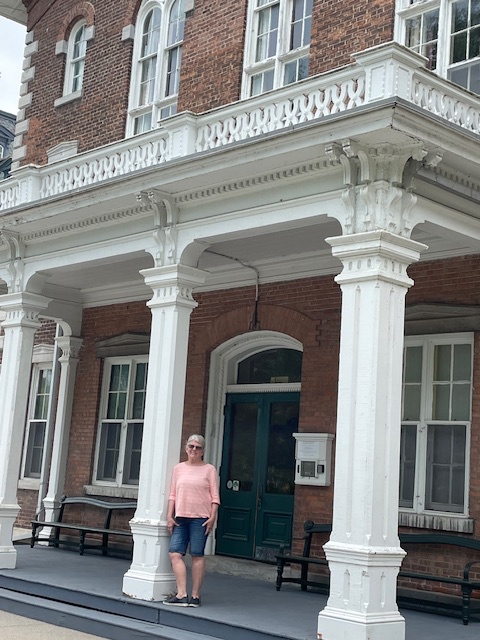
Mansion House
Last summer, on our return from a camping trip to the Finger Lakes, we took a few detours to explore historic sites along the way. Upstate New York was the heart of the Religious Awakening in the years before the Civil War, and it is dotted with places where people gathered in search of a […]
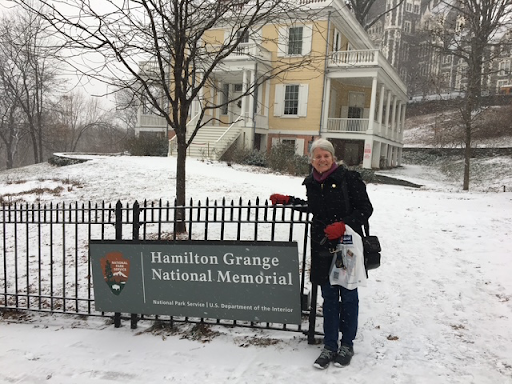
Hamilton Grange National Memorial
For those who have seen the musical Hamilton, do you remember the moment when the family “moves uptown? In the late 18th century, uptown meant leaving the crowded streets of lower Manhattan for open farmland to the north. This are would later become Harlem. That is where Alexander Hamilton built his country retreat, a house known […]

