Longfellow/Washington Headquarters
Standing in front of this house, it is easy to admire the symmetry, but its story reaches far beyond what you first see.
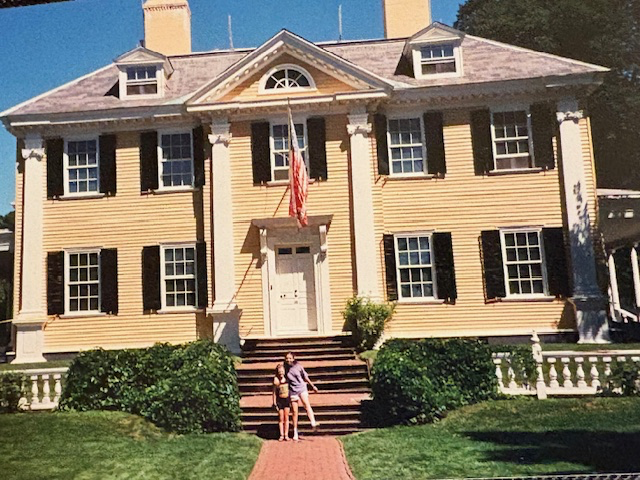
This is the Longfellow House/Washington’s Headquarters in Cambridge. Built in 1759, it was originally the home of a wealthy Loyalist family. But its place in history changed quickly with the outbreak of the American Revolution.
In 1775, George Washington arrived in Cambridge to take command of the Continental Army. For nearly a year, during the Siege of Boston, this house served as his headquarters. From here, he organized the army, made critical decisions, and shaped the early direction of the war. Within these walls, the structure of a new nation was beginning to take form
After the war, the house returned to private life, and in the early 19th century it became the home of Henry Wadsworth Longfellow. He lived here for decades, raised his family here, and wrote many of his most known works within these rooms. Under Longfellow, the house became something different, a center of literary life, visited by writers, thinkers and figures from around the world.
What makes this house so remarkable is that it carries both of these histories at once. It was a place where military strategy was formed at a pivotal moment in the Revolution, and later, a place where American literature was shaped and shared.
Recognizing its importance, the home was preserved and eventually became part of the National Park System in 1972, established by Congress and signed into law by President Richard Nixon,
These two girls are my daughters. We visited this house a number of times over the years, sometimes focusing on Longfellow, walking through the rooms where he lived and wrote, and other times on Washington, imagining the decisions made here during the earliest days of the Revolution.
Read More
Read More From Nancy
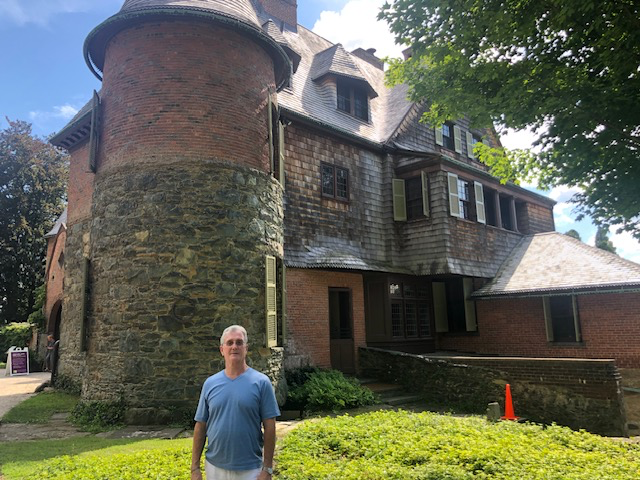
Naumkeag
While visiting the Berkshires, Marty and I made our way to one of the most memorable homes in Stockbridge, the remarkable estate known as Naumkeag. Set high on a hill, the house is a mix of brick, stone and shingle, and along with its rounded turret, gives it a European feel. Naumkeag is a product of […]
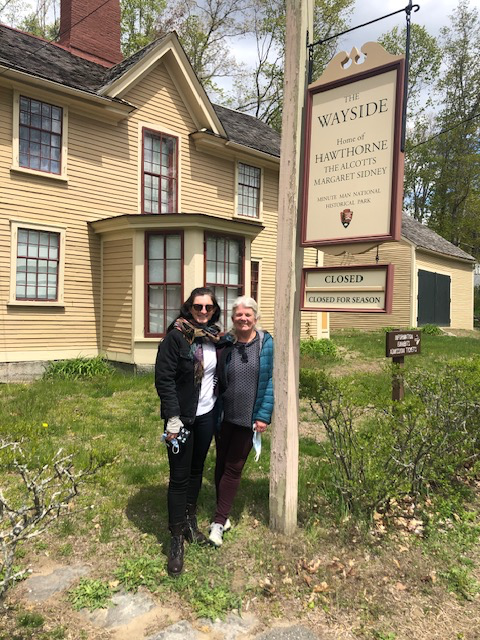
The Wayside
There are houses that preserve history, and then there are houses that helped shape it. The Wayside in Concord, Massachusetts, is one of those extraordinary places. This house has always held a special place in our family’s story. Both of our daughters gave tours here, sharing the remarkable history of the people who lived within […]
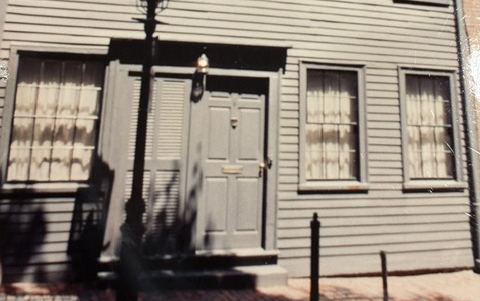
George Middleton House
Standing at 5 Pinckney Street on Boston’s Beacon Hill, the George Middleton House preserves an important chapter in the city’s early African American history. Constructed between 1786 and 1787, it is considered the oldest surviving residence on Beacon Hill and a rare example of a late-eighteenth-century Boston home built and owned by African Americans. The […]

