The Leprosy Museum
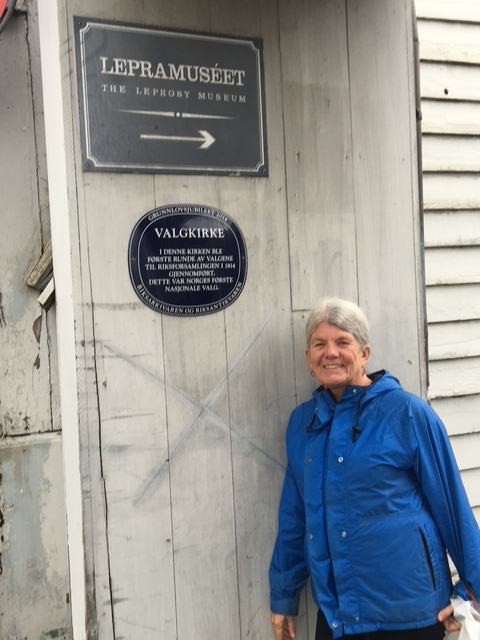
While traveling through Bergen, Norway, we found ourselves standing outside one of the most unusual museums we have ever visited: the Leprosy Museum. Housed in St. George’s Hospital, this quiet wooden building preserves the story of a disease that for centuries inspired fear, isolation, and misunderstanding.
Leprosy, now known as Hansen’s disease, has been documented for thousands of years. Because its symptoms often caused visible deformities, those affected were frequently separated from society and forced to live in isolated communities. For centuries, little was understood about the disease, and myths often replaced science.
Bergen became one of the most important places in the world for the study of leprosy. During the nineteenth century, Norway had one of Europe’s highest rates of the disease, and St. George’s Hospital cared for hundreds of patients. It was here that Norwegian physician Dr. Gerhard Armauer Hansen made a discovery that changed medical history. In 1873, he identified the bacterium that causes leprosy, making it the first human disease shown to be caused by a specific microorganism. His work transformed the understanding of infectious disease and gave the illness its modern name: Hansen’s disease.
The museum itself is extraordinary because it is one of the best-preserved leprosy hospitals in the world. Rather than recreating history, it preserves it. The patient rooms, chapel, treatment areas, furnishings, and personal belongings remain much as they were during the nineteenth century. Walking through the building is like stepping into another era, offering a rare glimpse into the daily lives of those who lived here.
For many patients, St. George’s Hospital became far more than a place of treatment. Before effective medications existed, many spent decades within these walls. The hospital became their home, where they worked, worshipped, formed friendships, and lived out much of their lives. Their stories remind us that behind every medical discovery are real people who endured illness with remarkable resilience and hope.
Perhaps the greatest lesson of the museum is how science can overcome fear. For centuries, leprosy carried enormous social stigma. Many believed it was a curse or divine punishment. Hansen’s discovery proved that it was caused by bacteria, replacing superstition with scientific understanding. Although an effective cure would come years later, his work laid the foundation for modern infectious disease research and forever changed the way medicine approached contagious illnesses.
One of the things I enjoy most about traveling is discovering places that reveal unexpected chapters of history. Before visiting Bergen, I knew little about Norway’s remarkable contribution to medical science. Standing outside this modest wooden building, it was humbling to realize that one of the world’s most important medical breakthroughs did not occur in a grand university or famous laboratory, but in a hospital dedicated to caring for society’s most vulnerable patients