The Grove Park Inn
While teaching at Sherman College in Spartanburg, South Carolina, Marty and I decided to take a ride up to Asheville and have lunch at the historic Grove Park Inn. The drive itself was familiar to us. When we were students at Sherman, we enjoyed making the trip from Spartanburg into the mountains of western North Carolina, and returning years later brought back memories of that earlier time in our lives.
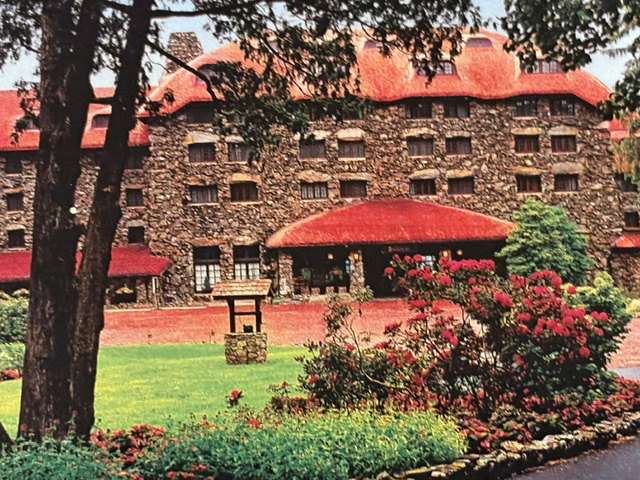
The Grove Park Inn was a perfect destination. Set on Sunset Mountain with sweeping views toward Asheville and the Blue Ridge Mountains, the massive hotel seems to belong to the landscape. Its enormous stone walls were constructed from granite quarried from the surrounding mountains, giving the building an appearance that is both grand and rustic.
The inn opened in 1913 and was the vision of Edwin Wiley Grove, a pharmaceutical manufacturer who had made his fortune with Grove’s Tasteless Chill Tonic. Grove believed strongly in the healthful qualities of Asheville’s mountain climate and wanted to create a first-class resort there. Working with his son-in-law, Fred Loring Seely, he created an enormous hotel that was remarkably completed in less than a year.
Part of the fun of having lunch there was knowing how many people had done the same thing before us. The Grove Park Inn has welcomed presidents, industrialists, entertainers, writers, and other prominent guests. Woodrow Wilson, Franklin Roosevelt, Thomas Edison, Henry Ford, John D. Rockefeller, and many others are associated with the hotel. F. Scott Fitzgerald stayed there for extended periods during the 1930s while his wife, Zelda, was receiving psychiatric treatment in Asheville.
The Grove Park Inn also has a connection to chiropractic history that made our visit particularly interesting. B. J. Palmer, the son of chiropractic founder D. D. Palmer and the influential developer of the chiropractic profession, was among the notable people who visited the Grove Park Inn. For Marty and me, coming here while we were teaching at Sherman added another layer to the experience. We were visiting as chiropractic educators, knowing that an important figure from the early history of our profession had also spent time within these walls.
The hotel has witnessed other chapters of American history as well. During World War II, it was used to house Axis diplomats before their exchange and later served as a rest and rehabilitation center for members of the U.S. military. Eventually it returned to the resort life for which it had originally been built.
What made this visit especially meaningful was returning to a place that had been part of our lives when we were students at Sherman College. We had always enjoyed the beautiful drive from Spartanburg into the mountains around Asheville, and years later, while back at Sherman to teach, we found ourselves traveling that familiar route again.