The Al-Jazzar Mosque
During our tour of the Old City of Acre, we visited the Al-Jazzar Mosque, one of the city’s most prominent landmarks. Its large green dome and tall minaret rise above Acre’s walls and tightly clustered buildings, making the mosque an unmistakable part of the city’s skyline.
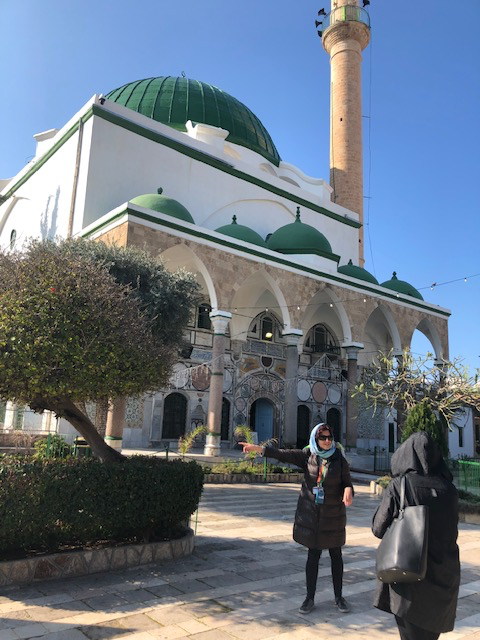
The mosque was constructed in 1781 by Ahmad Pasha al-Jazzar, the powerful Ottoman governor who ruled Acre during the late eighteenth century. Al-Jazzar transformed the city into an important administrative and military center. He is also remembered for leading Acre’s successful resistance against Napoleon Bonaparte during the siege of 1799.
The mosque reflects the Ottoman architectural traditions of the period, with its central dome, graceful arches, marble columns, ornamental stonework, and spacious courtyard. Materials taken from ancient sites around the region were incorporated into its construction, connecting the building to the many civilizations that had previously occupied this historic port city.
The original complex included more than a place of worship. It also contained a religious school, student accommodations, a library, and an Islamic court, making it an important center of education and community life. The mosque remains an active place of worship and an enduring symbol of Acre’s Muslim heritage.
Standing in the courtyard, I could see how much the mosque reveals about Acre’s Ottoman history. Its imposing dome, tall minaret, decorated entrance, and surrounding arches reflect the importance Al-Jazzar intended the complex to hold within the city. More than two centuries after its construction, it remains both an active place of worship and a visible reminder of the period when Acre became a powerful center of Ottoman government, commerce, and defense.
Read More From Nancy
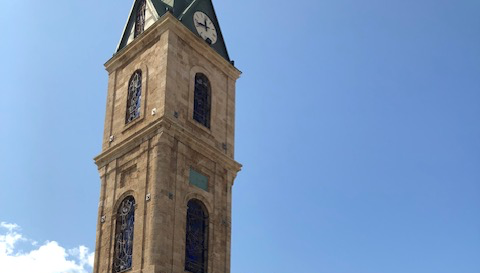
Jaffa Clock Tower
The Jaffa Clock Tower stands at the northern end of Yefet Street, near the historic entrance to the old city. Rising above a busy square, the limestone tower recalls a period when Jaffa was developing from an ancient fortified port into a modern commercial center. Jaffa had served as an important Mediterranean port for centuries. […]
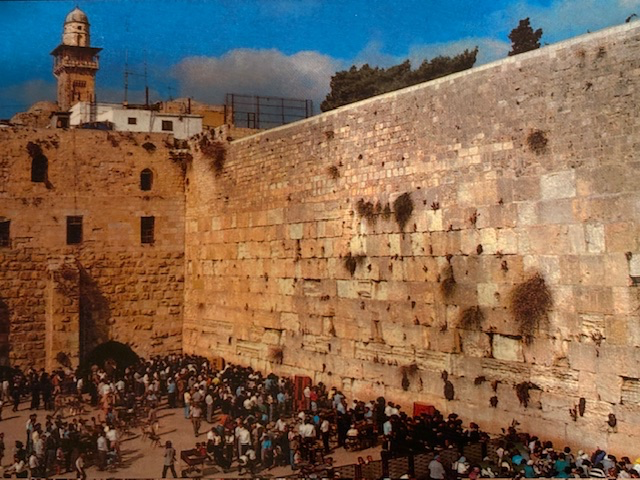
Western Wall
The Western Wall in Jerusalem is one of the most recognized and historically significant sites in the world. It is the remaining section of the retaining wall that once supported the expanded Temple complex built by Herod the Great around 10 BCE. The Temple itself, known as the Second Temple, was destroyed by the Romans […]
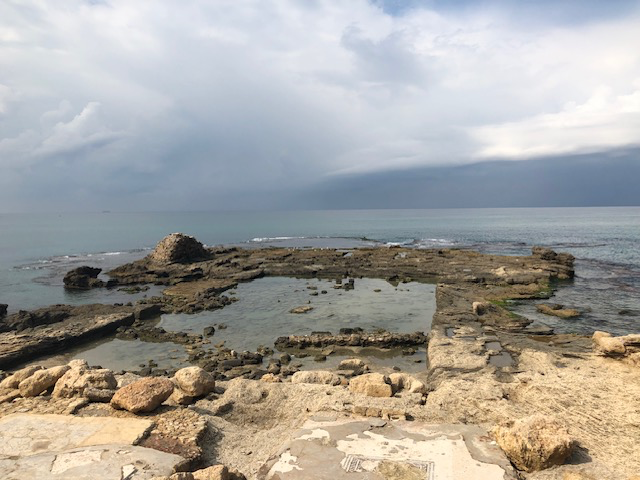
Herod’s Promontory Palace
On our visit to Caesarea, we walked among the remains of an ancient city built along the Mediterranean Sea. The setting alone was striking, with the ruins extending toward the water and waves breaking against the exposed stone. One of the most intriguing places we encountered was the remains of a large rectangular pool surrounded […]

