The 1917 Milburn Light Electric
The 1917 Milburn Light Electric at Heritage Museums & Gardens preserves a chapter of motoring that can seem surprisingly familiar. More than a century ago, manufacturers were already addressing questions about battery charging, convenience, and how electric vehicles could fit into daily life.
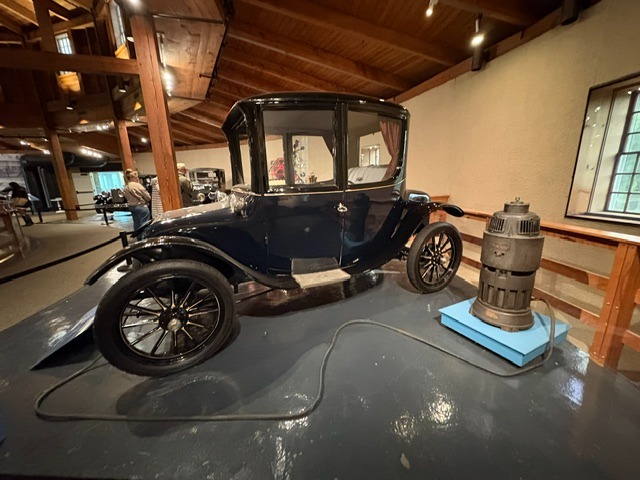
Built by the Milburn Wagon Company of Toledo, Ohio, this automobile has a tall, enclosed passenger compartment, large windows, and the proportions of a carriage. Its appearance connects the established comforts of horse-drawn transportation with a different source of power.
A General Electric motor drew electricity from thirteen six-volt batteries. Beside the car stands its charging equipment, making the practical requirements of electric ownership part of the display.
Milburn also offered batteries mounted on rollers so that a depleted pack could be exchanged for a charged one. This reduced the waiting time associated with recharging and made the car more useful.
Advertising frequently presented electric cars as vehicles for women, reflecting manufacturers’ assumptions about their customers. Milburn’s buyers also included the United States Secret Service, which used the quiet automobiles during Woodrow Wilson’s presidency.
The surviving car brings together technological experimentation and the social expectations surrounding early motoring. Its battery system and accompanying charger show that electric transportation, and efforts to make it convenient, have a history reaching back well before today’s vehicles.
Read More From Nancy
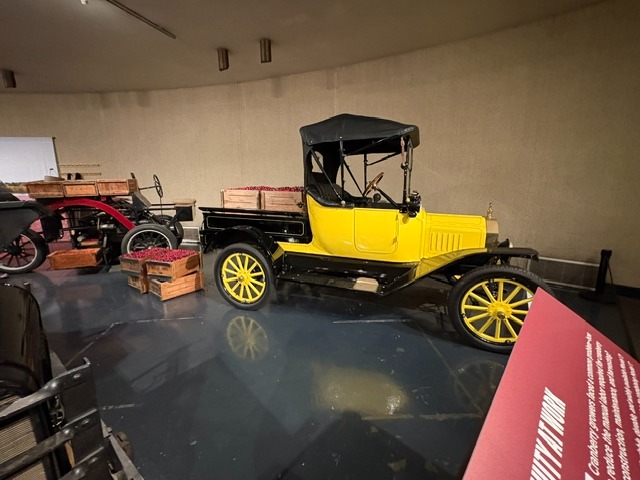
Working the Cranberry Bogs
The small locomotive and tip cart at Heritage Museums & Gardens introduce a practical side of cranberry growing: moving heavy materials across the bogs. Beyond picking berries, growers needed to build and maintain beds, transport supplies, and move their crop toward markets. Small industrial railways helped meet those needs. Temporary tracks allowed equipment to reach […]
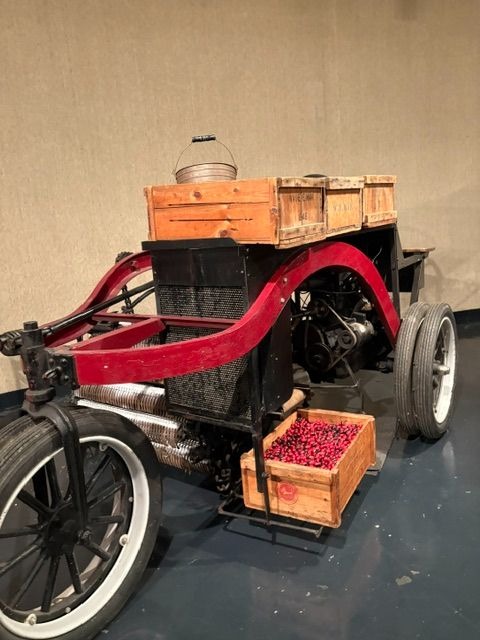
The Mathewson Cranberry Picker
The Mathewson cranberry picker at Heritage Museums & Gardens represents an early effort to mechanize one of Massachusetts’ distinctive agricultural industries. Developed by grower and inventor Clarence W. Mathewson, it adapted automobile technology to the demanding task of gathering cranberries. Built on a Model T truck chassis, the machine used combs to remove berries from […]
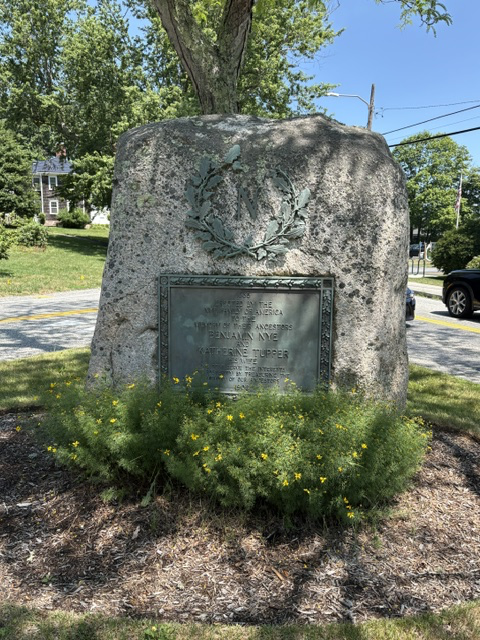
Benjamin Nye and Katherine Tupper Memorial
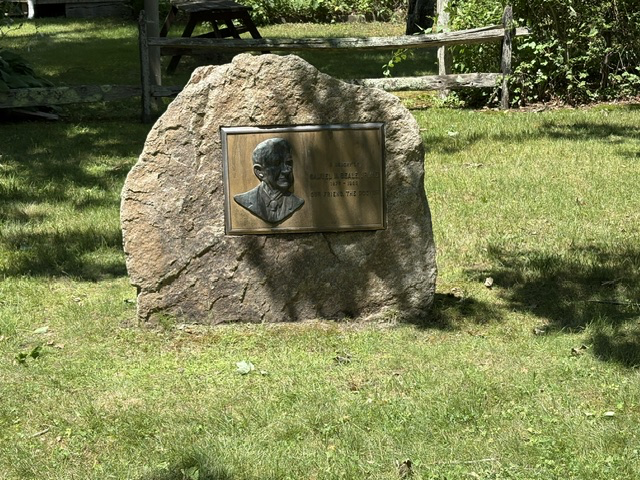
While exploring Sandwich, I came across this large stone memorial to Benjamin Nye and his wife, Katherine Tupper. I had already visited the Benjamin Nye Homestead in East Sandwich, so finding their names again in another part of town helped connect the house I had seen with the larger story of the family. Benjamin Nye […]

