Puʻukoholā Heiau National Historic Site
On the northwestern coast of the Island of Hawaiʻi, near the small community of Kawaihae, we visited Puʻukoholā Heiau National Historic Site. The massive stone structure in this photograph is one of the last major traditional Hawaiian temples built before Western influence dramatically changed life on the islands. Remarkably, these walls are original, not a modern reconstruction.
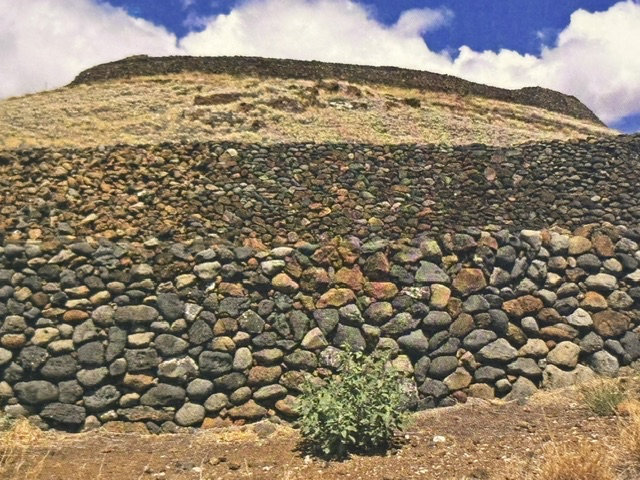
Puʻukoholā Heiau was built by Kamehameha the Great in 1790–1791 during a period when rival chiefs were fighting for control of the Hawaiian Islands. According to Hawaiian tradition, the priest Kapoukahi told Kamehameha that if he constructed a great temple on Puʻukoholā—“Hill of the Whale”—and dedicated it to his family’s war god, Kūkāʻilimoku, he would ultimately gain control of the islands.
The story of its construction is extraordinary. The temple was built without mortar from water-worn lava stones believed to have been transported from Pololū Valley. Tradition holds that thousands of men formed a human chain stretching roughly 25 miles across the Kohala region, passing stones from person to person. The National Park Service estimates that such a chain could have involved 10,000 to 20,000 people. Kamehameha himself is said to have participated in the work.
After the temple was completed in 1791, Kamehameha’s rival and cousin Keoua Kuʻahuʻula came to Puʻukoholā and was killed. Kamehameha soon controlled the entire Island of Hawaiʻi. By 1795 he controlled most of the major islands, and in 1810 Kauaʻi’s ruler accepted his authority, completing the unification of the Hawaiian Islands under the Kingdom of Hawaiʻi.
The Hawaiian territorial government first recognized Puʻukoholā as a historic landmark in 1928. After decades of preservation efforts by Hawaiian organizations and community groups, Congress established Puʻukoholā Heiau National Historic Site on August 17, 1972.
Read More From Nancy
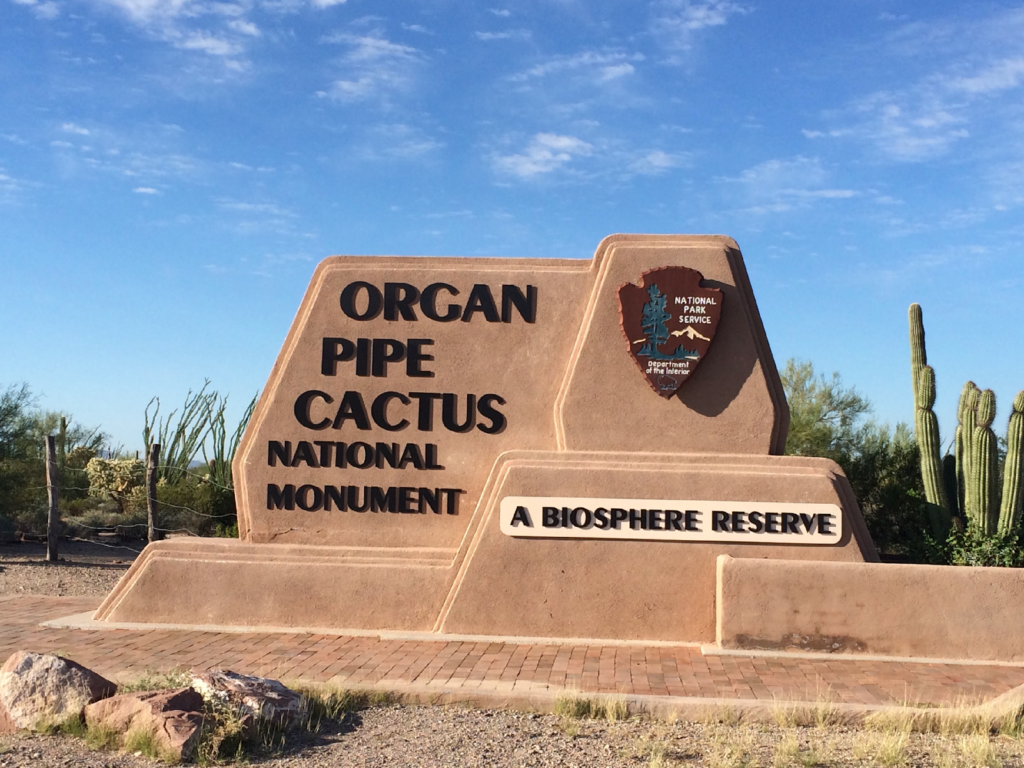
Organ Pipe Cactus National Monument
Driving through Organ Pipe Cactus National Monument at dusk, the landscape does not feel empty, it feels inhabited. As the sun lowers behind the Ojo Mountains, long shadows stretch across the sand. The silhouette of organ pipe and saguaro cacti rise with arms lifted toward a sky painted in amber color. This is the Sonoran Desert, one […]
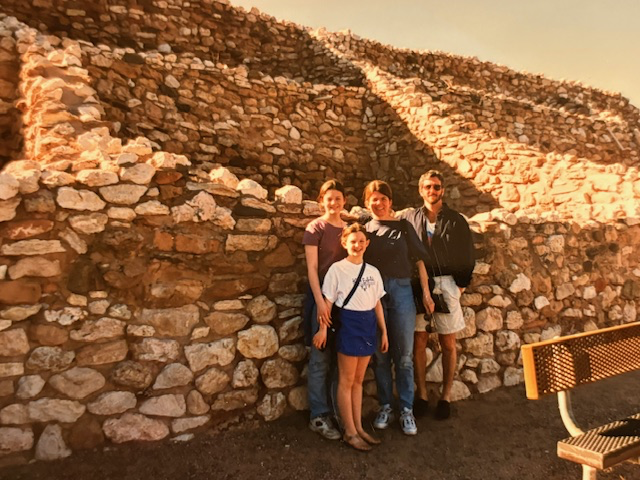
Tuzigoot National Monument
Rising above the Verde Valley in Central Arizona, Tuzigoot National Monument is one of those places where the land and the past feel inseparable. Tuzigoot preserves the remains of a large prehistoric settlement constructed by the Sinagua people, who lived in this region between the 1100s and early 1400s. Over time, what began as a smaller cluster of […]
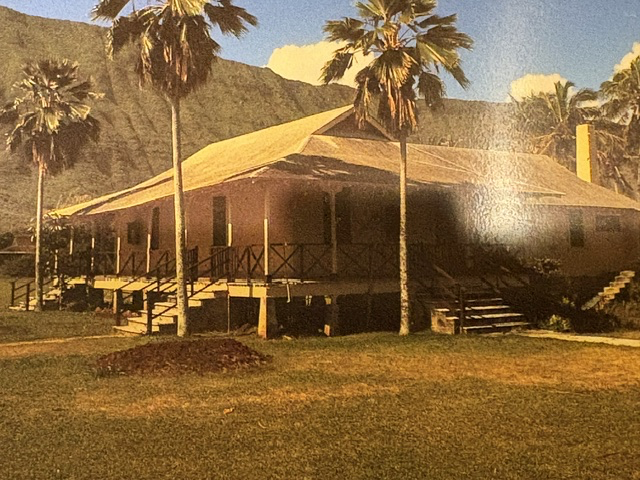
Kalaupapa National Historical Park
Visiting Kalaupapa National Historical Park was one of the more difficult and emotional National Park sites I have experienced. This was another journey that I made alone, and perhaps that solitude added to the feeling of reflection that stayed with me throughout the visit. Reaching Kalaupapa is part of the experience itself. I flew in on a small plane, […]

