Nyhavn
Erin and I found ourselves standing along the canal at Nyhavn in Copenhagen, taking in this familiar scene. This row of colorful houses stretched along the water, each one distinct, yet forming a complete picture. This is Nyhavn.
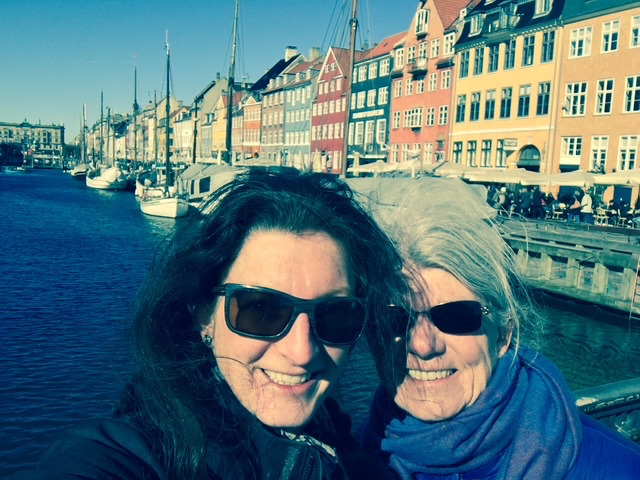
Nyhavn was constructed in the 1670s under King Christian V as a commercial port, dug by hand to connect the sea directly into the heart of the city. For centuries, this was a working harbor, crowded with merchant ships, sailors, cargo and trade. It was a rough and active place, known for its taverns as for its commerce.
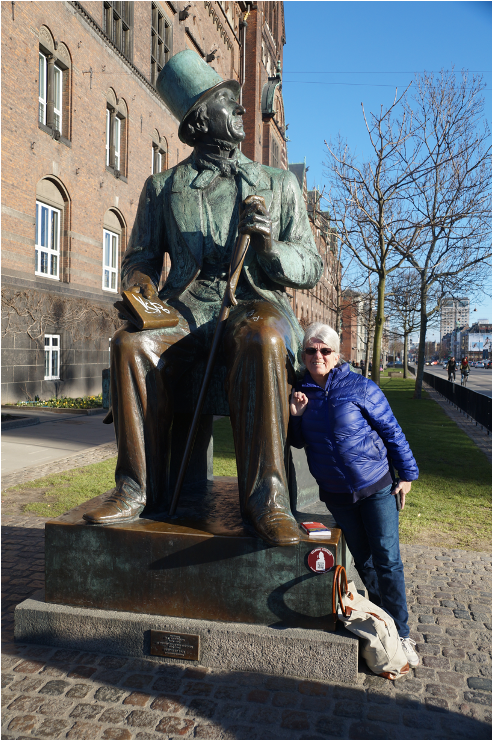
Many of the buildings lining the canal date back to the 17th and early 18th centuries, and they were built to support that activity: homes, warehouses and businesses all facing the water. Some still carry their original numbering and structure. One of the most notable residents was Hans Christian Andersen, who lived in several houses along Nyhavn, writing some of his early works here.
Over time, as shipping moved elsewhere and the harbor’s role declined, Nyhavn fell into disrepair. By the early 20th century, it had become known more for neglect than for beauty. It wasn’t until the mid-1900s that restoration efforts began and it was transformed into this preserved area we visited.
We value those who chose to restore and revitalize this beautiful area. It was a choice made by a community, to remember their past and renew it for the present.