New Bedford Whaling National Historical Park
Traveling to New Bedford is, in many ways, traveling back in time. There was a period when this town stood at the center of a global industry, when its harbor was filled with ships that would travel the world in search of whales, and its streets reflected the wealth that trade created.
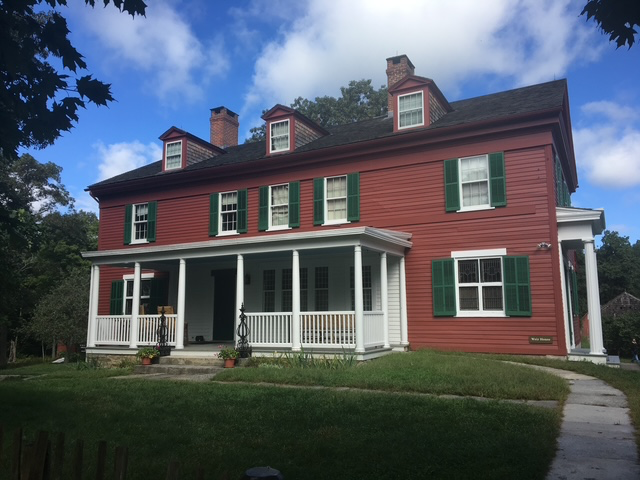
The large homes that still stand today tell that story. Built by merchants and captains who led the whaling industry, they reflect a time when New Bedford was one of the most prosperous cities in the country. This is not a quiet coastal town, but a place of ambition, risk and far-reaching enterprise.
That history is preserved within the New Bedford Whaling National Historical Park. Walking through the park, we moved through the very streets where this industry once thrived. The cobblestones, the buildings and the waterfront all remain closely tied to that era. The park captures a way of life and tells the story of long and dangerous journeys at sea, of ships leaving port for years at a time and the skill and endurance required to hunt whales in distant waters.
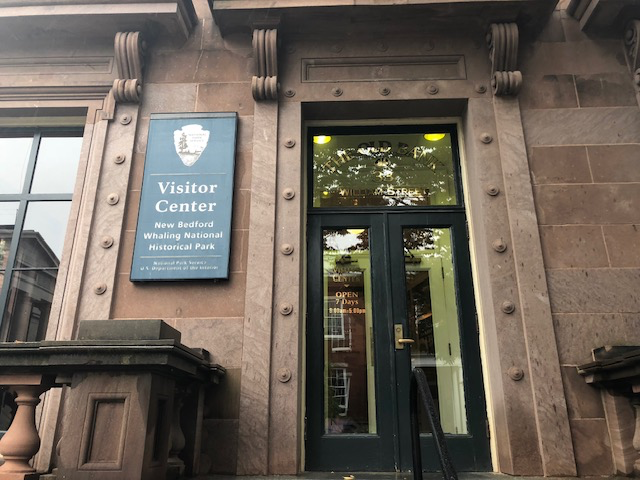
Regonizing the national importance of this history, the area was established as a national historical park in 1996. It was signed into law by Bill Clinton, ensuring that the story of New Bedford’s whaling era would be preserved for future generations.
Like many industries, whaling did not last. As new sources of fuel replaced whale oil, the demand that once drove New Bedford’s economy began to decline. The ships disappeared, the industry faced and the town changed.
Today, New Bedford stands as a place where that history is still visible. The homes, the harbor and the preserved district all serve as reminders of a time when this town played a central role in a global enterprise.
Read More From Nancy
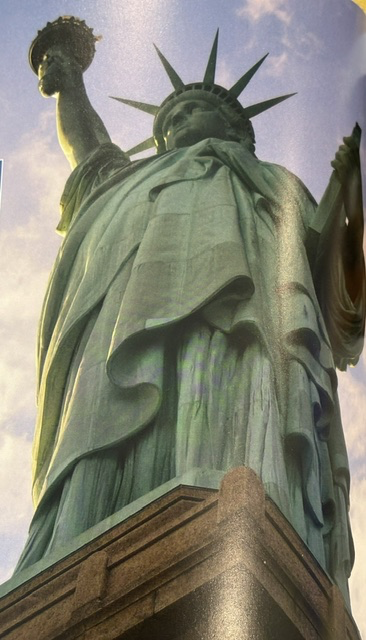
The Statue of Liberty
How many times have I admired the Statue of Liberty? I honestly couldn’t tell you. Like the Lincoln Memorial in Washington, D.C., it is one of those places that continues to draw me back. Nearly every time I visit New York City, I find myself looking for another opportunity to see her. Sometimes it is […]
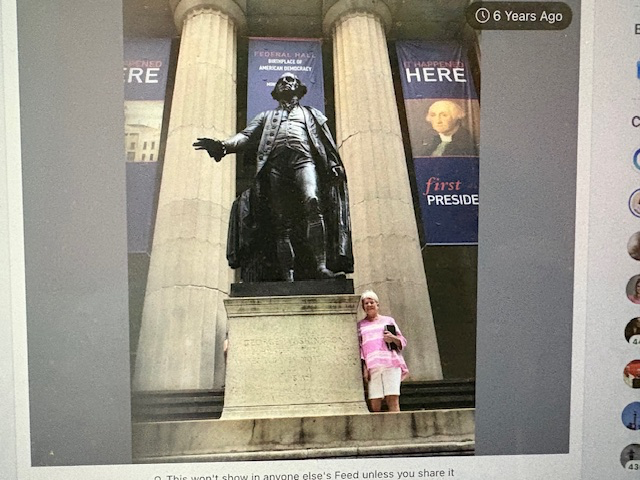
Federal Hall National Memorial
Federal Hall is one of the most historically significant sites in New York, marking the birthplace of the American government. From Washington’s inauguration to the adoption of the Bill of Rights, it embodies the early struggles and triumphs that shaped the nation. Standing on the steps where George Washington took the oath of office on April […]
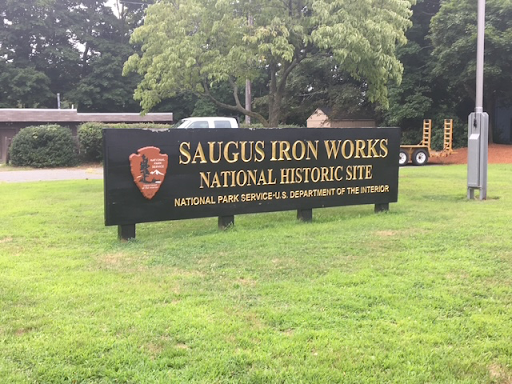
Saugus Iron Works National Historic Site
Long before Massachusetts became synonymous with textile mills, industry was already taking root along the Saugus River. In 1646, a group of English investors organized as the Company of Undertakers of the Iron Works in New England established what would become the first successful integrated ironworks in colonial North America. Their goal was to reduce the […]

