Navigator and Base Passes
September 3, 1944Dearest Reader,
In a letter dated September 3, 1944, Charlie wrote to my father from Santa Ana, California. His letterhead says Aviation Cadet, and he relates that he has been classified as a Navigator in the United States Army Air Forces. That classification was not casual. It meant he had passed the Army aptitude testing with strong marks in mathematics, spatial reasons and analytical skill. In the wartime Air Forces, navigators were officers in training, men who would be responsible for guiding aircraft across oceans and continents with nothing more than charts, compasses and timing.
Santa Ana Army Base was one of the major processing and training centers for Aviation Cadets. It functioned as an intake and classification hub where cadets were evaluated before being sent on to specialized schools. A navigator’s precision could determine whether a bomber crew found its target or found its way home.
Life at Santa Ana was tightly structured. Aviation Cadets were under constant scrutiny. Charlie wrote:
“I haven’t had a pass yet, but expect one in the near future. A fellow has to stay on the base here for 28 days before getting a pass.”
That sentence captures the rhythm of cadet life. New arrivals were typically confined to base for a probationary period before being granted off-base liberty. The 28-day restriction served several purposes, establishing discipline, preventing early misconduct and ensuring cadets were progressing satisfactorily in their coursework.
This brief quote carries the voice of a young man in transition. He was becoming an office, a navigator, entrusted with charts, calculations and the lives of a crew. The waiting, the discipline, the counting of days was all part of the transformation that defined the Aviation Cadet experience in 1944.
Dr. Nancy Watson
Washington
Read More From Nancy
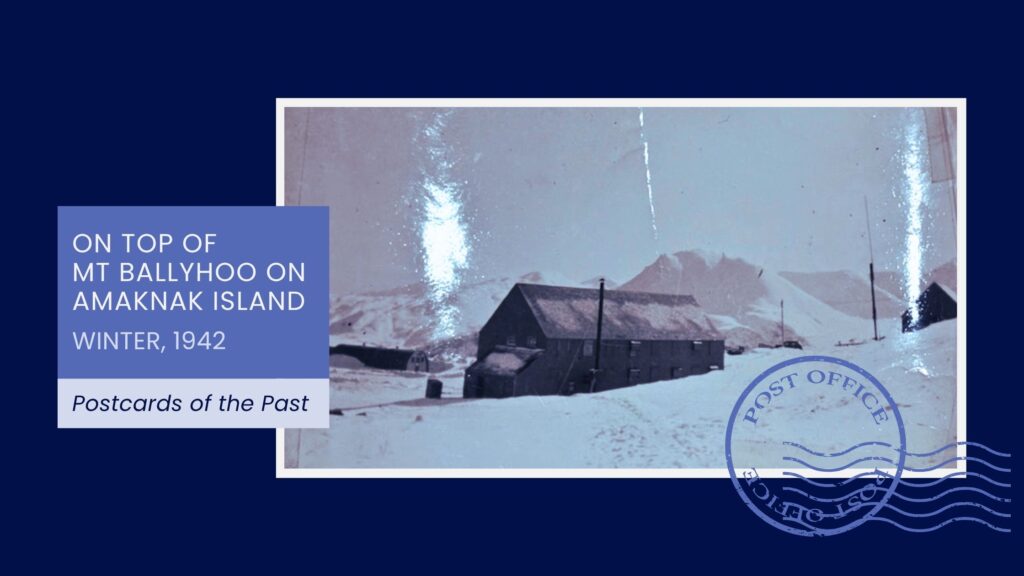
On top of Mt Ballyhoo on Amaknak Island
This photo tells more of my father’s story in the Aleutians. On the back of the photo, my father wrote: “ON TOP OF MT. BALLYHOO (BARRACKS HOUSING HQ BTRY 264TH CA) ON AMAKNAK ISLAND OVERLOOKING DUTCH HARBOR IN ALEUTIAN ISLANDS WINTER OF ’43” This placed my father on Mount Ballyhoo, the steep volcanic rise that […]
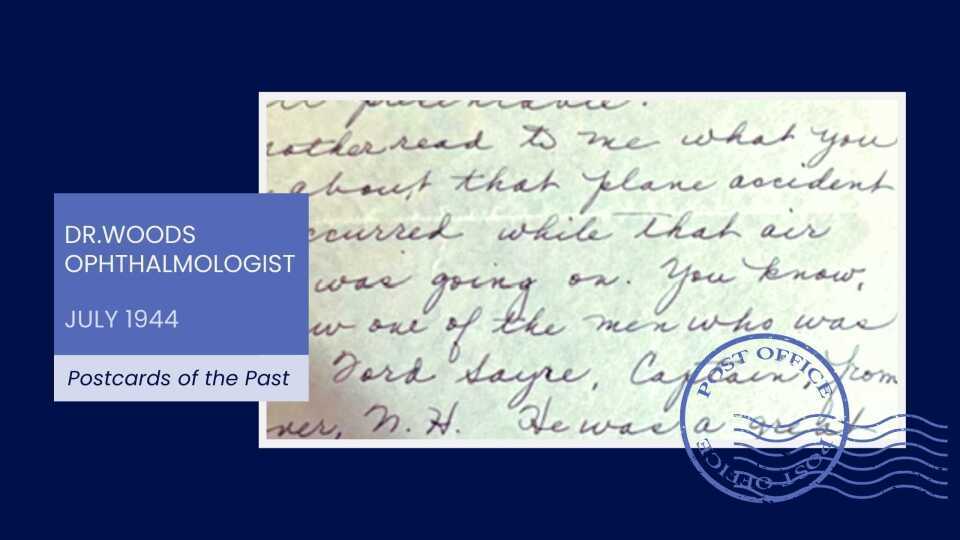
Dr. Woods – Ophthalmologist
“I would like to get you under Dr Woods who, I understand, is the head of the Wilmer Institute” Dr Alan Woods was one of the most respected ophthalmologists of the mid-20th century and a leading figure in American eye medicine. A graduate of Johns Hopkins, Woods trained under the pioneering ophthalmologist William Wilmer and went […]
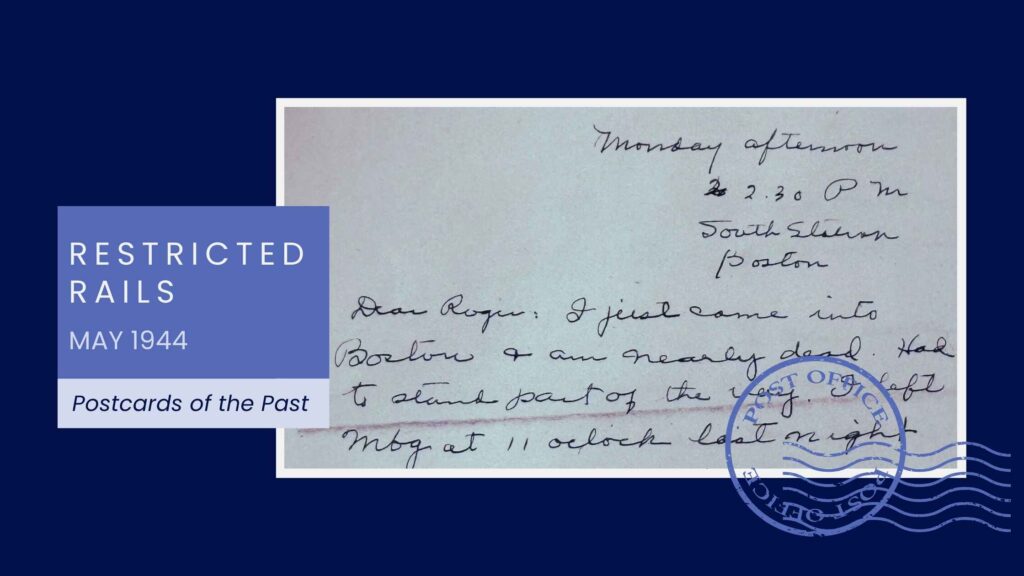
Restricted Rails
My parents were married in May of 1944 while my father was home on furlough, a brief pause in the turmoil of a world at war. The letters they left behind include tender notes between two young newlyweds and the steady, pleading correspondence from my grandmother to her only son. These letters form an intimate […]

