Manzanar National Historic Site
The landscape leaves a lasting impression before you ever read the history connected to it. Surrounded by the stark mountains of California and swept by winds that stir dust across the barren ground, the isolation itself becomes part of the story. Standing here, it is impossible not to feel the harshness of the environment and to imagine what life must have been like for the thousands of Japanese Americans who were brought to internment camps during World War II
This memorial stands at the site of Manzanar War Relocation Center, located in the Valley between the Sierra Nevada mountains and the desert. The geography played a powerful role in the experience of those imprisoned here. Remote, dry, windy and unforgiving, the setting itself created a sense of confinement and separation from the rest of the country.
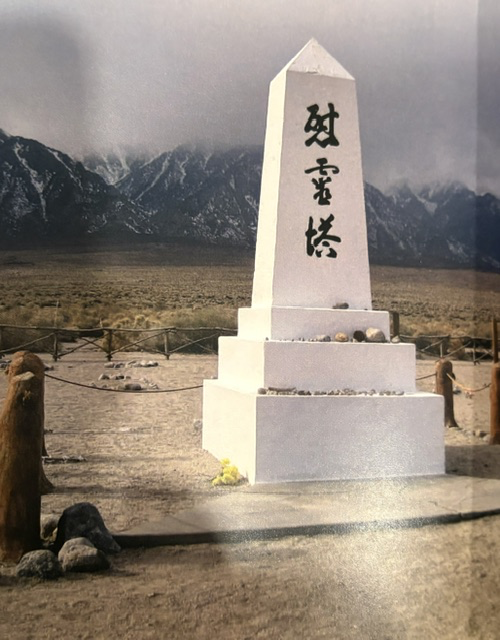
After the bombing of Pearl Harbor in 1941, over 120,000 Japanese Americans, many of them American citizens, were forcibly removed from their homes and relocated to camps like Manzanar under Executive Order 9066 signed by President Franklin D. Roosevelt. Families lost homes, businesses, farms. and communities as they were sent to isolated camps surrounded by barbed wire and guard towers.
Walking the paths at this historic site one of the most moving details is seeing the remains and reconstructions of the rock gardens. Even in this harsh landscape, the people living here attempted to create beauty, peace and dignity. Stones were carefully arranged, small ponds and gardens were built, and touches of humanity were added to an otherwise barren environment.
This white monument is the Manzanar cemetery monument, inscribed with the Japanese characters: Soul Consoling Tower. This honors those who died while imprisoned here. Against the backdrop of the mountains, it stands as a reminder of one of the most difficult chapters in American history.
In 1992, Manzanar was officially established as Manzanar National Historic Site when President George H. W. Bush signed the legislation creating the site within the National Park System. Here, you can walk the grounds and experience the landscape and reflect on the isolation of this site.
Read More From Nancy
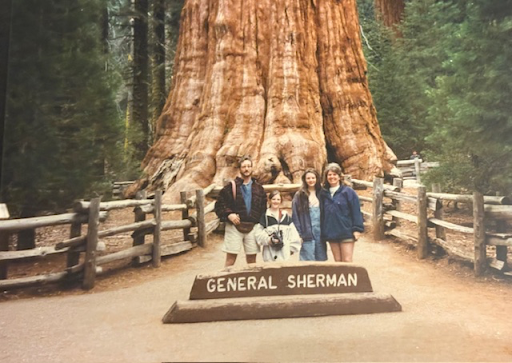
Sequoia National Park
On one of our road trips through California, we stopped at Sequoia National Park to see the General Sherman Tree. Once we discovered the beauty of our national parks, we would seek them out and add these sites to our family travels. They often became the reason we would travel to a particular area, shaping our […]
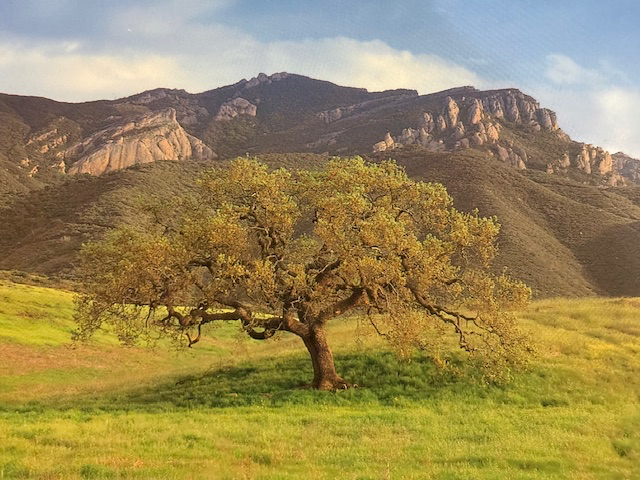
Santa Monica Mountains National Recreation Area
Santa Monica Mountains National Recreation Area is in California, close to one of the largest cities in the country. The landscape is of rolling hills, rugged mountains and open meadows dotted with coast live oaks. It feels remote, and yet just beyond these hills lies Los Angeles. Long before it became protected land, this land was […]
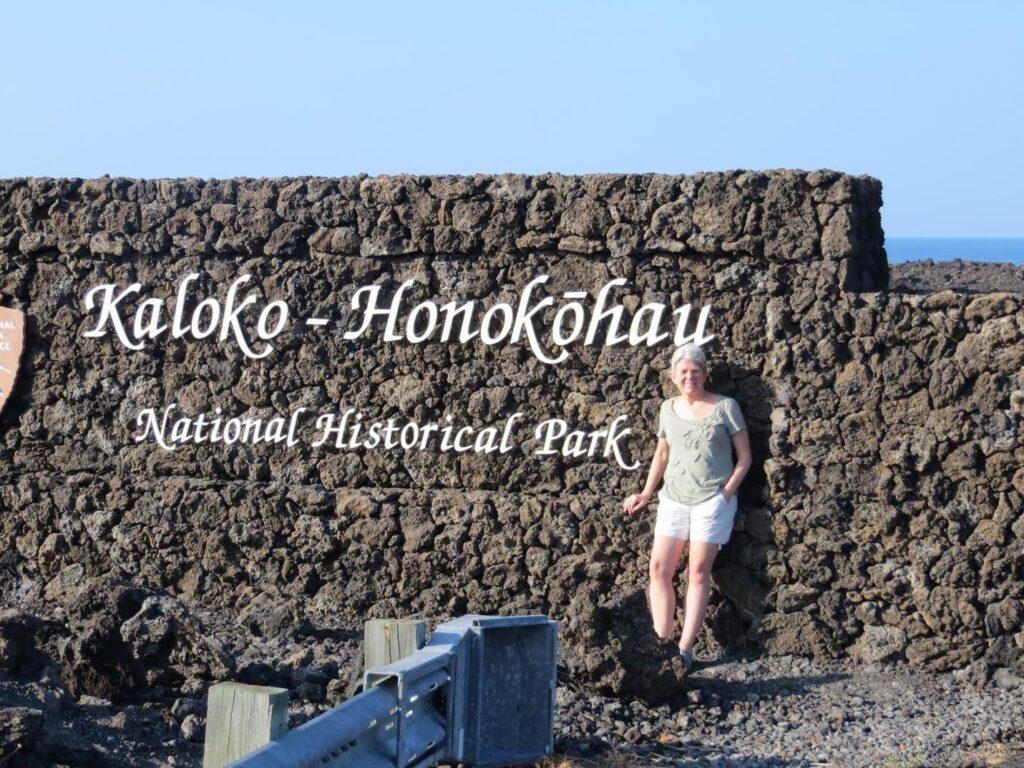
Kaloko-Honokohau National Historical Park
Visiting Kaloko-Honokohau National Historical Park on the Big Island is an encounter with a living cultural landscape that reflects how Natick Hawaiians sustained themselves for centuries in balance with land and sea. In the park are the traditional fishponds built from lava rock and guided by tidal flow. Fish were allowed to enter and grow which provided […]

