Make Way for the Ducklings
Walking through the Boston Public Gardens, there is a familiar and beloved sight: a line of small bronze ducks following closely behind their mother. Most locals recognize them as characters from the classic children’s book “Make Way for Ducklings” by Robert McCloskey.

These statues were created by sculptor Nancy Schon and installed in 1987 as a tribute to McCloskey’s book, which was published in 1941 and set right here in Boston. The story follows Mrs. Mallary and her ducklings as they navigate the city, crossing busy streets with the help of Boston police, on their way to the Public Garden.
The sculpture captures that moment: Mrs. Mallard leading her eight ducklings, Jack, Kack, Lack, Mack, Nack, Quack, Pack and Quack, in a gentle procession through the park. It was placed here intentionally, allowing visitors to step into the story and walk alongside the characters.
Over the years, these statues have taken on a life of their own. Depending on the season, you might find them dressed in scarves or hats.
As I walked by with friends visiting from outside the area, I was reminded that not everyone has the same point of reference. To them, it was a row of ducks, with no other story attached.
So many things we pass each day are filled with meaning, stories we have learned, places we recognize, symbols that connect us to something larger. But without that context, they can appear as something entirely different.
What is it that draws us in? Is it familiarity, or curiosity?
Do we pause when something feels out of the ordinary, even if we don’t yet understand it?
This is the part of what makes travel and exploration so meaningful. To be constantly moving between what we know and what we are just beginning to see.
Read More From Nancy
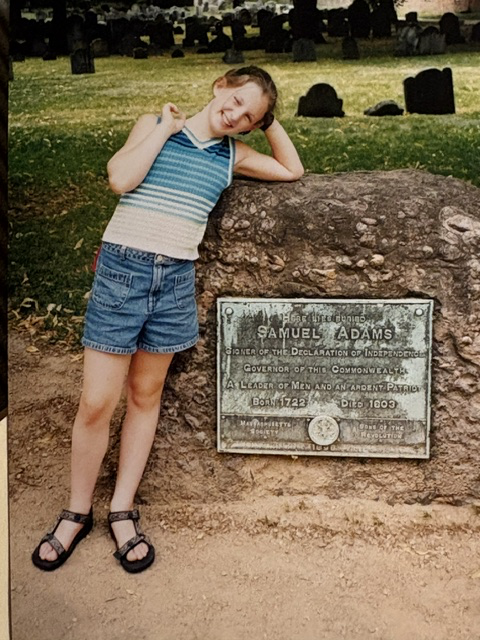
Samuel Adams
Standing beside the grave of Samuel Adams at Boston’s Granary Burying Ground offers an opportunity to remember a man whose influence extended far beyond the familiar name associated with a modern beer company. Samuel Adams was one of the most determined political organizers of the American Revolution and an early advocate for independence from Great […]
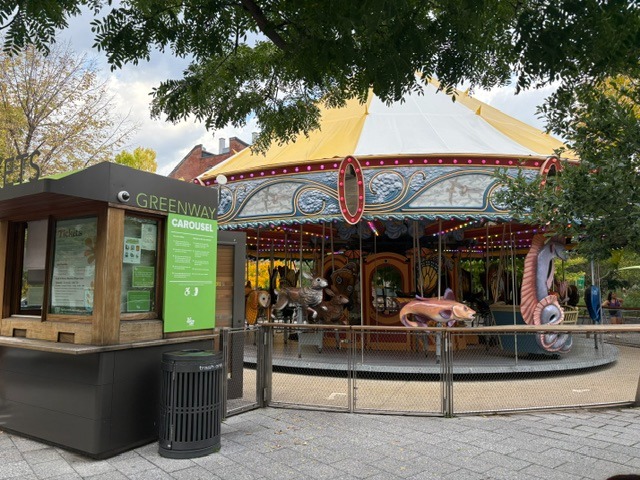
The Greenway Carousel
I ride this carousel as often as I can when I visit Boston. Walking through the city often leads us to historical places, but I also enjoy making time for something simply because it brings me joy. The Greenway Carousel has become one of those familiar stops I look forward to. Opened on August 31, […]
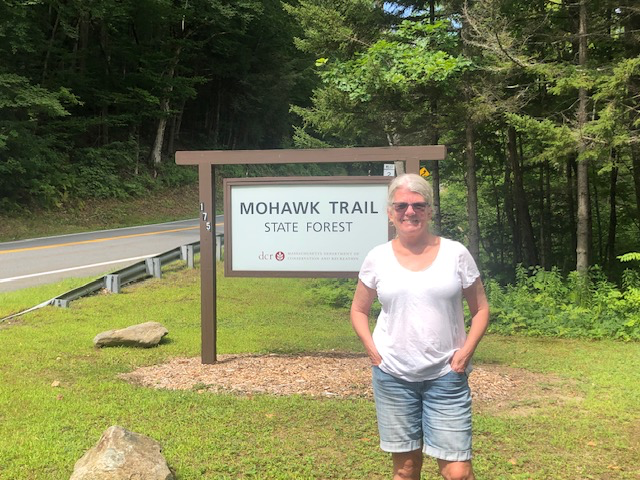
Mohawk Trail State Forest
While driving the Mohawk Trail across Massachusetts, we stopped at Mohawk Trail State Forest. The forest was not our final destination, but it offered us an opportunity to pause within the landscape through which this historic route passes. Long before automobiles crossed the Berkshire Hills, Indigenous peoples traveled through this region along pathways connecting the […]

