Lyman School for Boys
In Westborough, an entire landscape tells a deep, complex story.
In 1848, Westborough became home to something new in the United States: The State Reform School for Boys, the first publicly funded reform school for boys in the country.
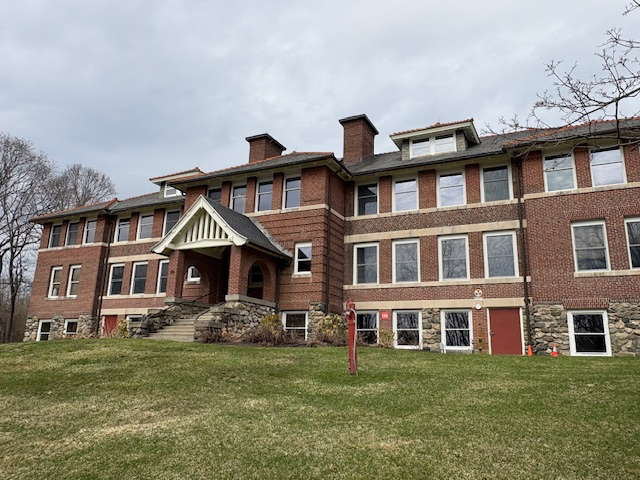
The idea behind it reflected a changing view of childhood. Rather than sending young offenders to prison, the state created a place intended for “instruction, employment and reformation”, not punishment in the traditional sense.
Set on farmland along the shore of Lake Chauncy, the school was designed to feel less like a prison and more like a controlled community. Boys sent here by the courts were expected to work, study and learn discipline. Good behavior brought privileges and, ultimately, release. The goal was to redirect a life before it was fully formed.
In many cases, it worked. Reports from the time suggested that s number of boys left the school and went on to productive lives, reflecting the optimism behind this early experiment in juvenile reform.
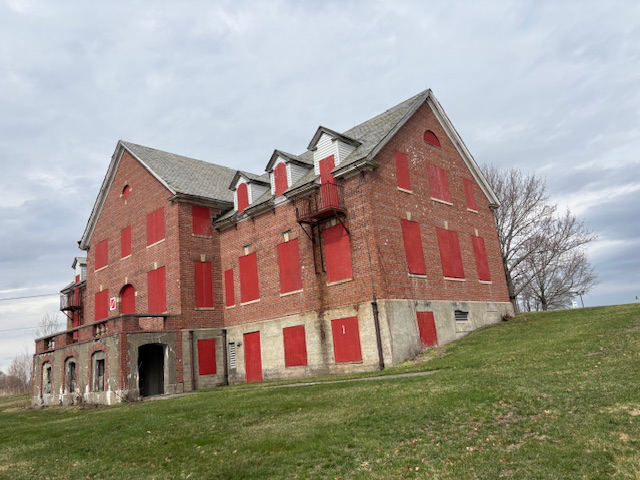
But there were complications. The original school was dominated by a large central building, housing hundreds of boys together. Over time, the conflict between staff and students and criticism that the system was too institutional and impersonal created more tension.
By the 1880s, the state began to rethink the model.
The school was reorganized and became the Lyman School for Boys, named after reformer Theodore Lyman. The new approach introduced a “cottage system,” breaking the large institution into smaller, family-style living units.
The Lyman School continued to operate into the 20th century, expanding and evolving with changing ideas about education, rehabilitation and child welfare. It remained open until 1971, marking more than a century of continuous use tied to the same original mission.
Today, much of the original campus is gone or repurposed, its buildings scattered or replaced.
But the story remains.
What began in Westborough was not just a local institution. It was the beginning of a national movement. The idea that children could be guided rather than simply punished, took root here and spread across the country.
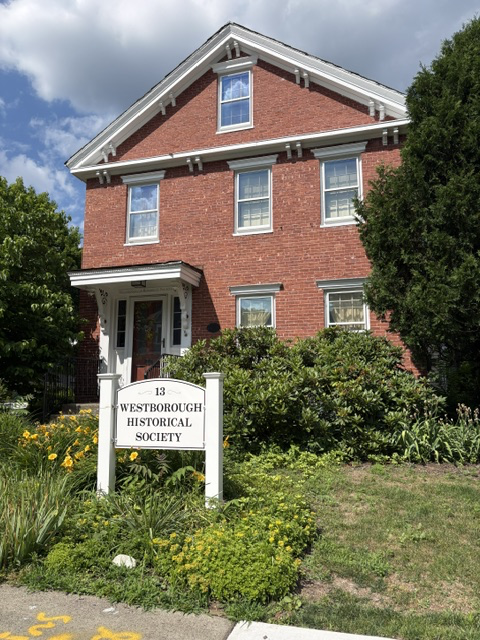
Read More From Nancy
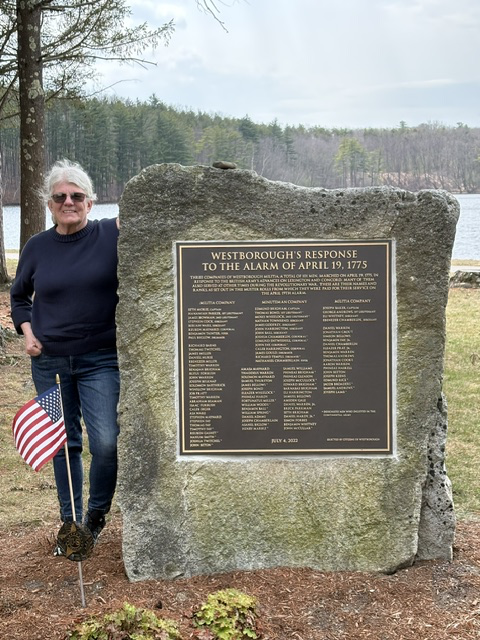
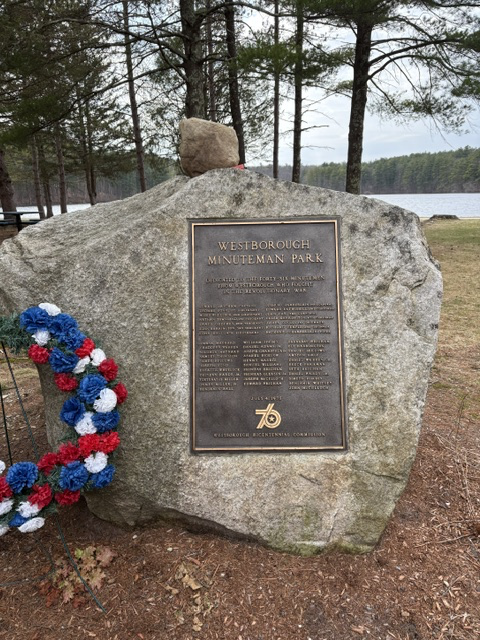
Minuteman Monument
Along the quiet shoreline of Westborough’s Minutemen Park stands this large granite memorial honoring the men from the town who answered the alarm on April 19, 1775 – the opening day of the American Revolution. The monument creates a reflective place to remember how ordinary citizens suddenly became soldiers at one of the most pivotal moments in American […]
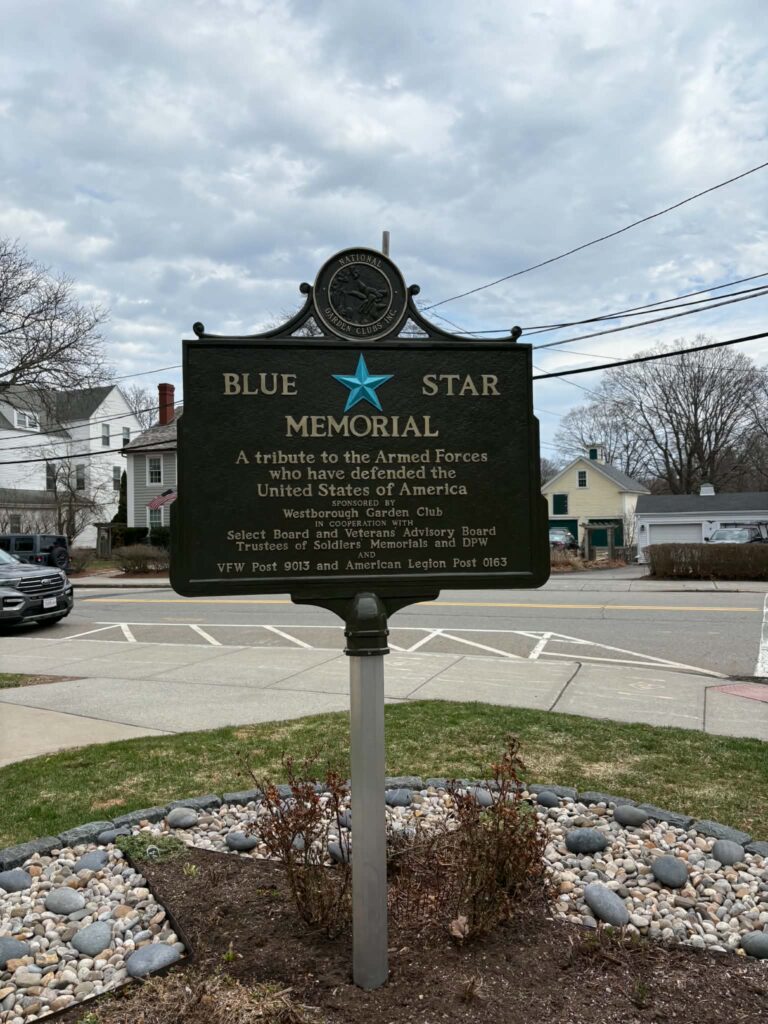
“Blue Star Memorial”
This memorial sign in downtown Westborough is part of the nationwide Blue Star Memorial Highway Program, a tribute created to honor members of the United States Armed Forces. The term “Blue Star” comes from the blue star banners that families displayed in their windows during World War I and World War II when a family member […]
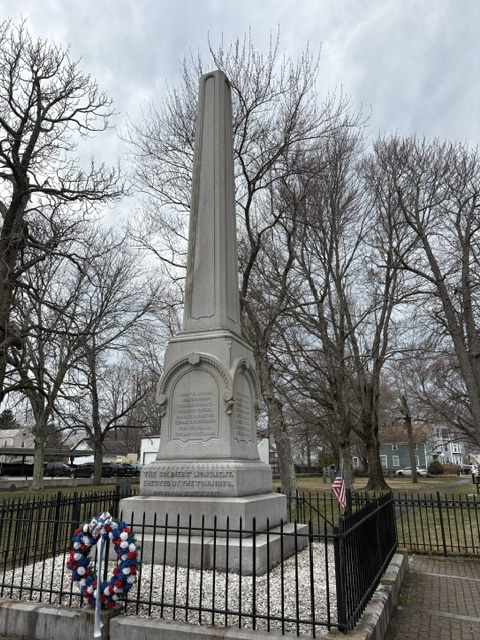
Civil War Memorial
Standing in the center of Westborough is this striking Civil War monument, rising high above the common as a permanent reminder of the town’s sacrifice during one of the most defining periods in American history. Enclosed by a simple iron fence, the monument has the dignified presence so common to nineteenth century memorials built after the […]

