Hill-Stead Museum
On a day trip to Connecticut, we stopped to tour a remarkable home set quietly back on the rolling lawns in Farmington. We walked past the white facade with black shutters into the rooms covered with early impressionist paintings. These works once challenged convention and helped shape the future of art.
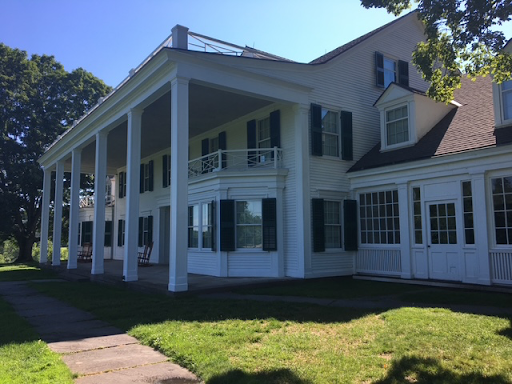
Hill-stead was completed in 1901 for Alfred and Ada Pope, members of a wealthy and intellectually curious family. Like many families of the Gilded Age, the Popes used their financial success not only to build a beautiful home, but to invest in culture and education.
What makes Hill-Stead special is that the home was designed by their daughter, Theodate Pope Riddle, one of the first licensed female architects in the United States. At a time when women rarely held professional authority. Theodate executed a hose that blended Colonial Revival with modern thinking about light.
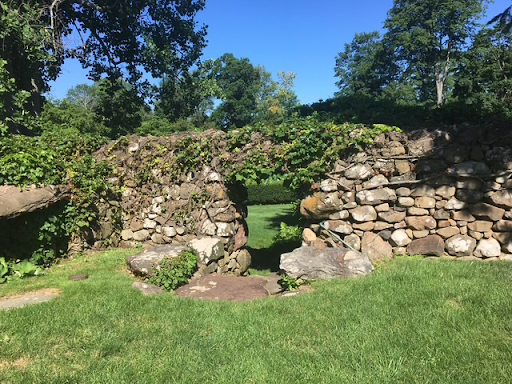
The art collection includes painting by Monet, Dega, Manet and Whistler and they are woven into the fabric of each room. At a time when Impressionism was still viewed with skepticism in America, the Popes embraced it, trusting their own instincts rather than prevailing opinion.
Theodate Pope Riddle’s role in shaping Hill-Stead foreshadowed a remarkable career that would include historic preservation, educational philanthropy and architectural leadership well beyond what was expected for women of her era.
Today, the Hill-Stead Museum remains remarkably intact, a place where forward-thinking ideas once took root and continue to resonate
Read More From Nancy
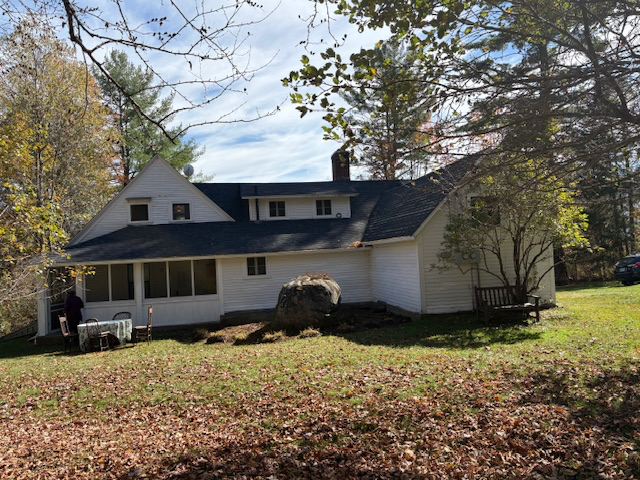
The Frost Place – Franconia, NH
This summer, we visited The Frost Place in Franconia, New Hampshire, the hillside farmhouse where Robert Frost lived with his family from 1915 to 1920. Standing on the front porch, the view looking towards the White Mountains is spectacular. This is the home when Frost’s career was beginning to rise. When Frost moved to Franconia in 1915, […]
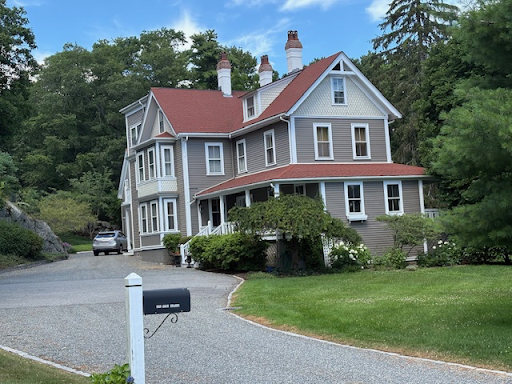
Oliver Wendell Holmes
Oliver Wendell Holmes, Jr., remains one of the towering figures in American legal history, whose ideas continue to shape constitutional law and the way we think about freedom and the role of courts. His life spanned history from the Civil War through the Great Depression with nearly 30 years on the U.S. Supreme Court. Holmes […]
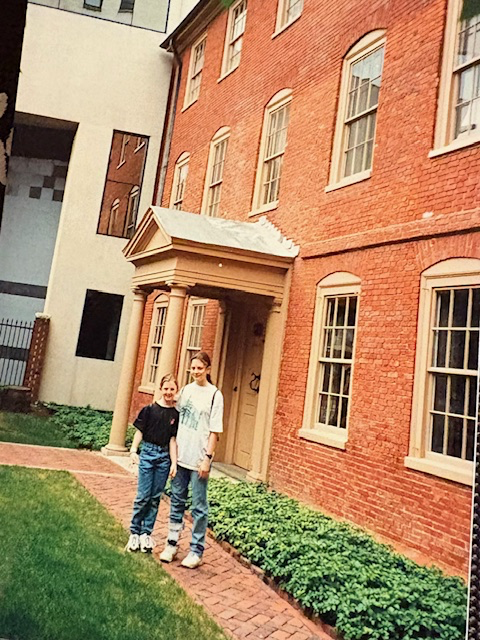
Wadsworth-Longfellow House – Portland Maine
Here is a photo from one of our visits to Portland, Maine, standing in front of the Longfellow House. Sitting right on Congress Street, in the middle of downtown life. is this Wadsworth-Longfellow House, the oldest surviving structure on the Portland peninsula. It was built in 1785-1786 by General Peleg Wadsworth, a Revolutionary War hero […]

