Frederick Douglas National Historic Site – Washington DC
When we travel for business, we always hope to explore something nearby, whether it be the nature of something historic. There is something grounding about stepping outside the seminar room and into the story of a place. We look for something special, something that belongs uniquely to that area.
Frederick Douglas’ home was one of those places.
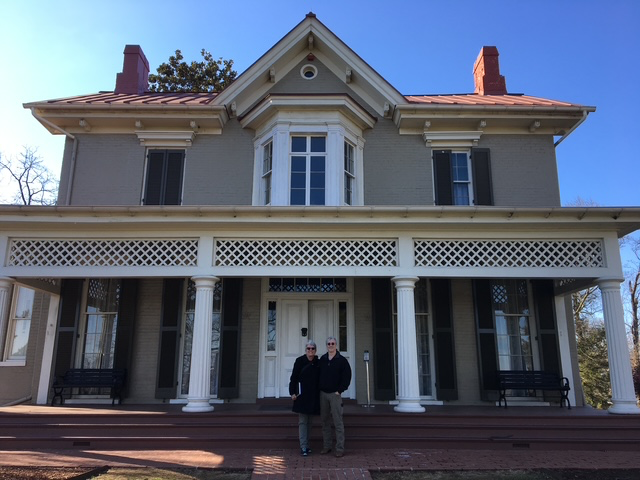
We arrived early in the morning, determined to be on the first tour of the day. Cedar Hill sits high above the Anacostia River in Washington D.C. elevated both physically and symbolically. From the porch, you can look across the city toward the Capitol, a view that carried deep meaning for a man born into slavery and rose to become one of the most powerful voices in American history.
Frederick Douglass purchased this home in 1877. By then, he was no longer only an abolitionist, he was an author, diplomat, advisor to presidents, and a tireless advocate for civil rights and women’s suffrage. Cedar Hill became his place of reflection and continued influence.
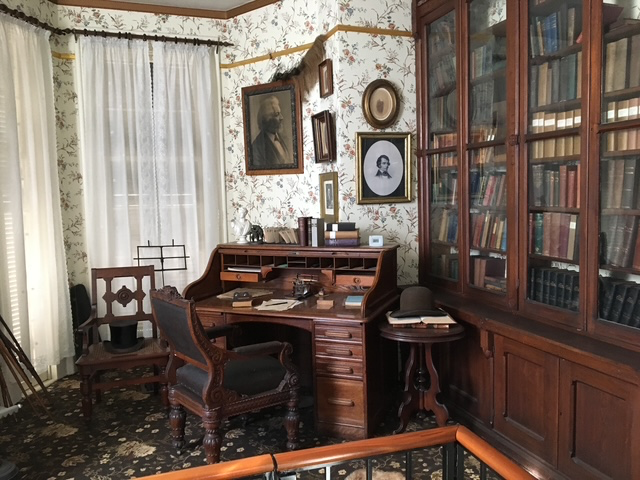
His study is full of thousands of books, a testament to a man who taught himself to read in defiance of laws designed to keep him uneducated. Knowledge was his pathway to freedom.
After Douglass’ death in 1895, his wife, Helen Pitts Douglass, worked tirelessly to preserve the home as a memorial to his legacy. In 1962, during a period when the nation was again wrestling with civil rights, the site was officially designated a National Historic Site and signed by President John F. Kennedy.
Standing inside Cedar Hill, makes his life tangible, walking the floors he walked and standing where he stood. Wherever we travel, history waits ready to deepen our understanding of the place we are visiting.
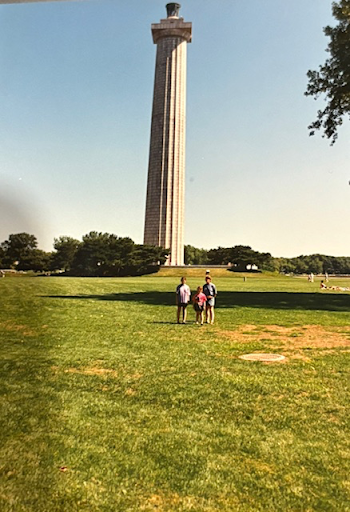
Read More From Nancy
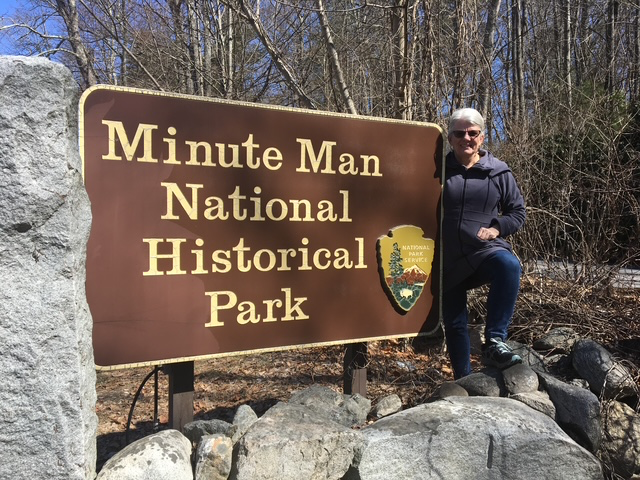
Minute Man National Park – Massachusetts
On numerous acres stretches Minute Man National Historical Park. As a Massachusetts resident, we have visited this park several times. The park encompasses approximately 1,000 acres across the towns of Lexington, Lincoln, and Concord, preserving the landscape of April 19, 1775. This date was the opening day of the American Revolution. It was established as a National […]
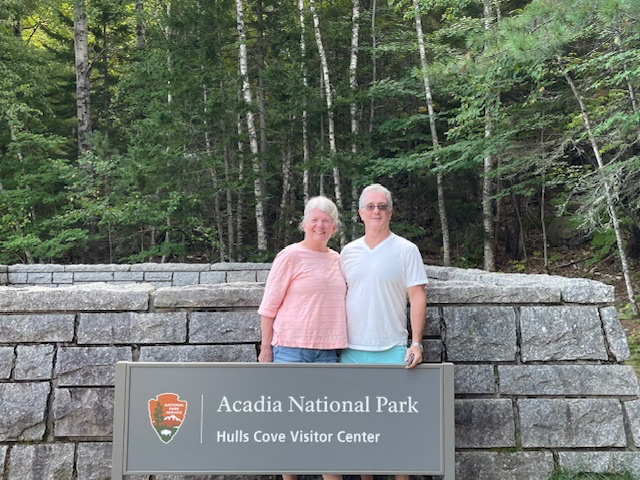
Acadia National Park – Maine
The only designated National Park in the Northeast, Acadia National Park, is another spectacular place. There are sweeping ocean views and granite. Mountains rise from the sea, while waves crash against ancient rock. Long before Acadia became a national park, the rugged coastline and granite mountains of Mount Desert Island drew wealthy summer residents and by […]

Glacier Bay National Park – Alaska
Alaska is just a massive state, and it was on our second visit that we set our sights on traveling into Glacier Bay National Park. Stories of John Muir traversing the same area inspired us to want to journey where he also traveled, into the waters and fjords he once explored by canoe. It […]

