Fort Larned National Historic Site – Kansas
Along our coasts and across the vast interior of our country, we have built military forts. They rise not in settled times, but in moments of change, when boundaries shift, when commerce pushes outward, when cultures meet in tension. Fort Larned stands as one of those witnesses to transition.
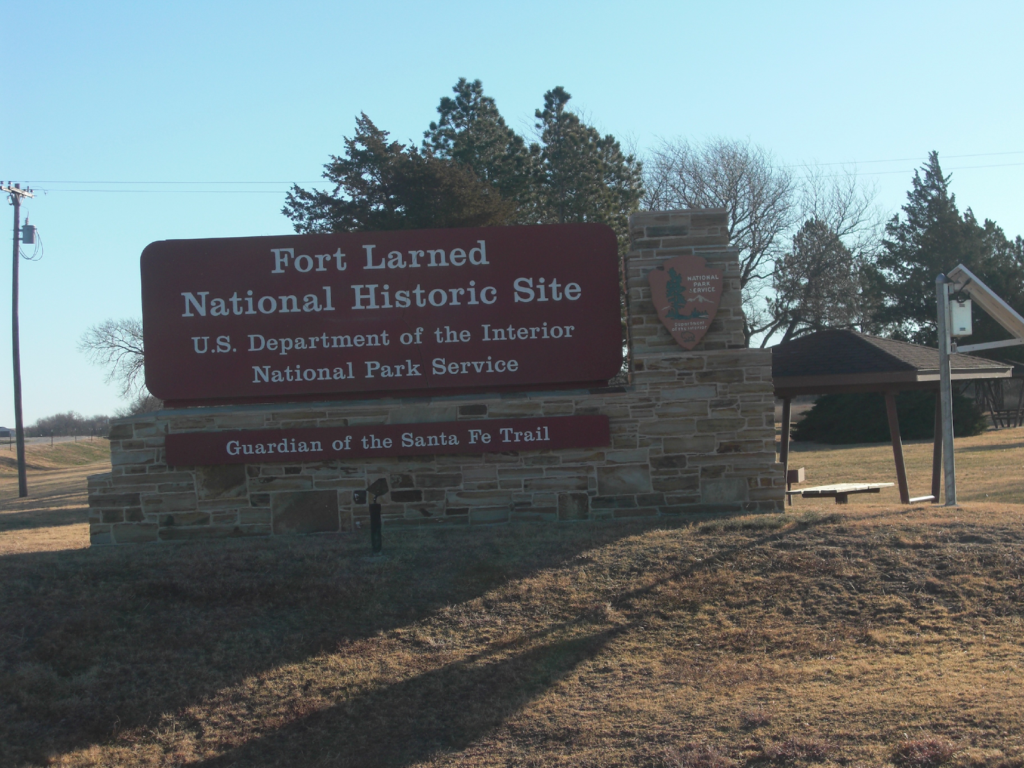
In 1859, along the corridor of the Sante Fe Trail, the United States established what was first called Camp on Pawnee Fork. The Santa Fe Trail was one of the most vital arteries of 19th century America, stretching from Missouri to New Mexico. Wagon trains heavy with manufactured goods rolled westward, silver and trade goods traveled east. Merchants, soldiers, mail carriers and families seeking opportunity moved across the plains.
As American commerce and settlement pressed deeper into Kansas territory, conflict increased with Plains tribes whose lands and way of life were being disrupted. The government responded by building this fort.
Renamed Fort Larned in 1860, in honor of Benjamin F. Larned, the Paymaster General of the United States Army. Though he never served on the Kansas frontier, Larned played a vital role in sustaining the Army during a period of national strain. Naming the fort after him reflected a common military tradition of recognizing senior officers whose leadership helped hold the expanding nation together.
The post became a protective presence along the trail. Soldiers stationed there, escorted wagon trains, guarded mail routes, supplied nearby posts, and projected federal authority across the landscape. Though it never endured a major battle within its walls, the fort played a steady role during years that included the Civil War and the Indian Wars of the Great Plains.
The fort operated until 1878. By then, the railroad had diminished the importance of the Santa Fe Trail and the need that created the fort had passed. The site was recognized for its national significance in 1964 when Fort Larned was authorized as a National Historic Site and signed into law by President Lyndon B. Johnson.
Fort Larned tells the story of a nation in motion and reminds us that America’s growth was not always smooth but negotiated along these dusty trails.
Read More From Nancy
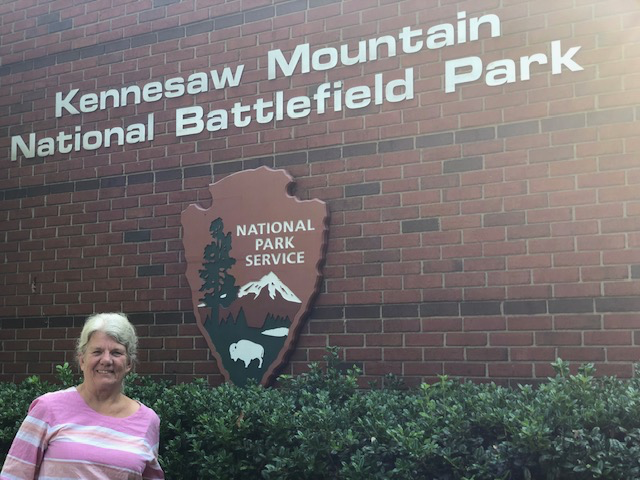
Kennesaw Mountain Battlefield – Georgia
Kennesaw Mountain Battlefield is just one of many national park sites set aside to honor the battles that shaped our nation. Across the United States, the National Park Service preserves dozens of historic battlefields, forts and military landscapes. These places were chosen not only for the events that happened there, but also for the stories they continue […]
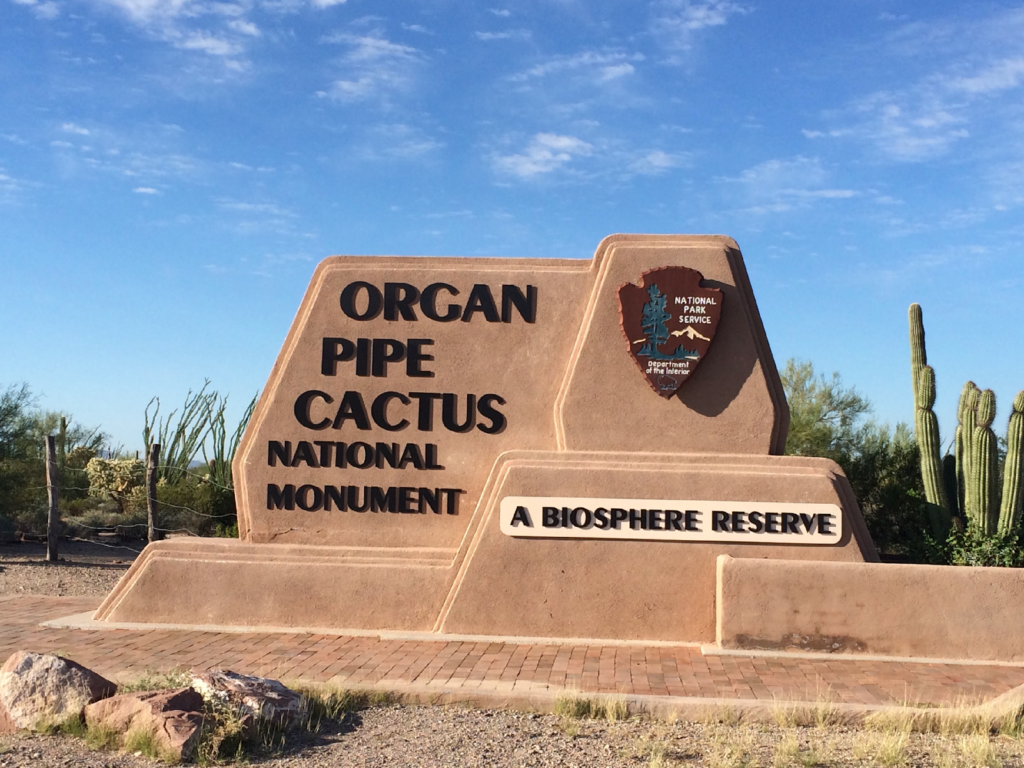
Organ Pipe Cactus National Monument – Arizona
Driving through Organ Pipe Cactus National Monument at dusk, the landscape does not feel empty, it feels inhabited. As the sun lowers behind the Ojo Mountains, long shadows stretch across the sand. The silhouette of organ pipe and saguaro cacti rise with arms lifted toward a sky painted in amber color. This is the Sonoran Desert, one […]
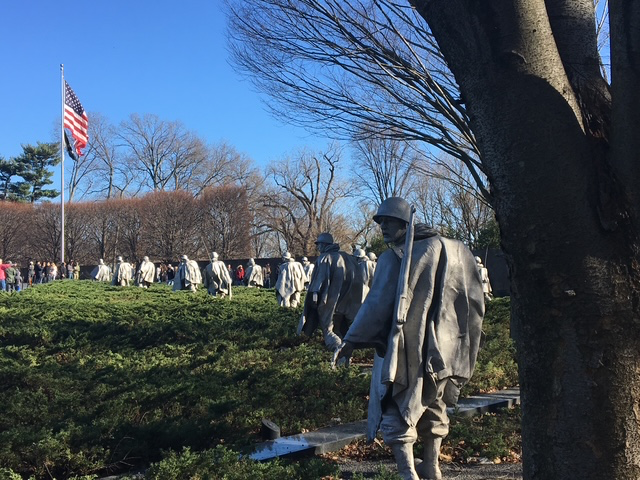
Korean War Veteran’s Memorial – Washington DC
In Washington, D.C., the nation’s story unfolds across sweeping lawn and reflecting pools, carved into marble, bronze and stone. Each memorial is scattered through the city’s landscape translated into physical form by artists tasked with shaping our memory. Among the most moving memorials is the Korean War Veterans Memorial. This memorial does not soar skyward but meets […]

