Crumlin Road Gaol
During our visit to Northern Ireland, Erin and I spent time exploring Belfast, a capital city layered with history. One of the most powerful places we visited was Crumlin Road Gaol.
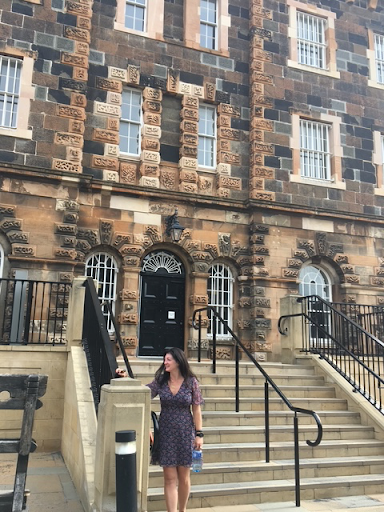
Opened in 1846, Crumlin Road Gaol operated for more than 150 years and housed prisoners during the turbulent chapters of Irish history including the Irish War of Independence and The Troubles. The prison was designed to isolate, control and intimidate.
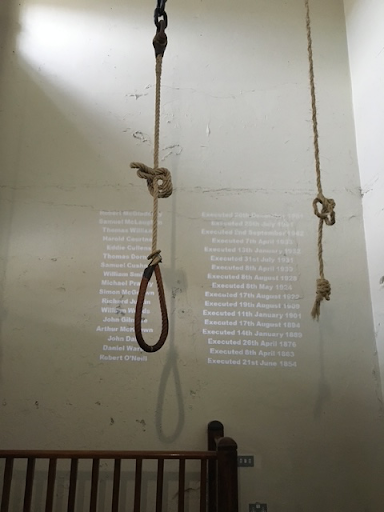
One of the most sobering rooms was the execution room, where the noose still hangs. Between 1854 and 1961,17 men were executed by hanging at Crumlin Road Gaol. The last execution took place in December 1961, closing a chapter that spanned more than a century.
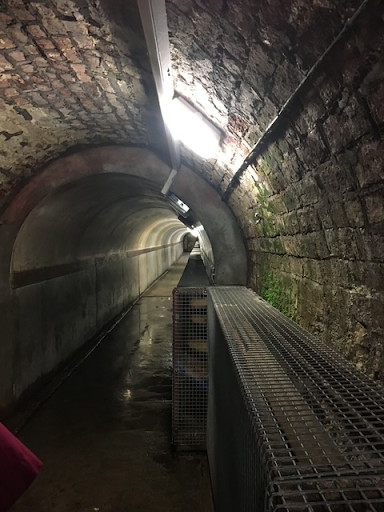
Another haunting location is the underground tunnel that once connected the prison to the courthouse across the street. Prisoners were moved through the passage out of public view, as they were led to trial, sentencing or execution.
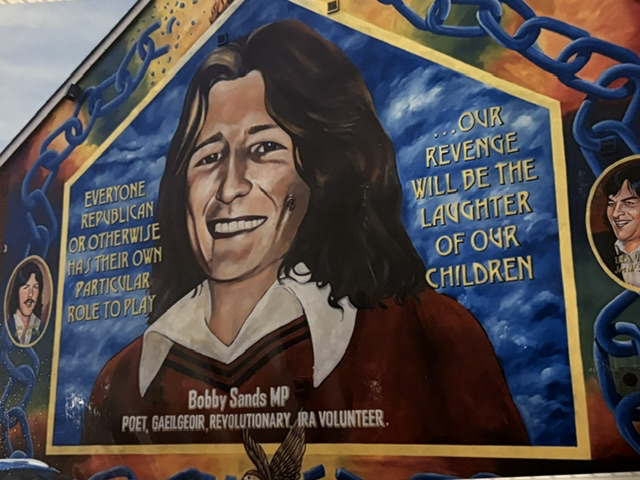
Crumlin Road Gaol was a site of early hunger strikes during the years surrounding the Irish War of Independence. Prisoners here would refuse food in an effort to be recognized as political prisoners.
Read More From Nancy
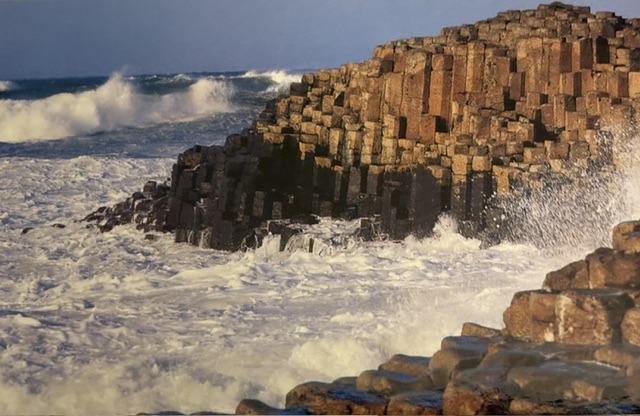
Giant’s Causeway
When Erin and I visited Northern Ireland, we decided to hire a private guide to take us along the spectacular Causeway Coastal Route. Driving on the opposite side of the road from what we were accustomed to, I wanted us to relax and enjoy the experience rather than worry about unfamiliar roads, directions, and navigating […]
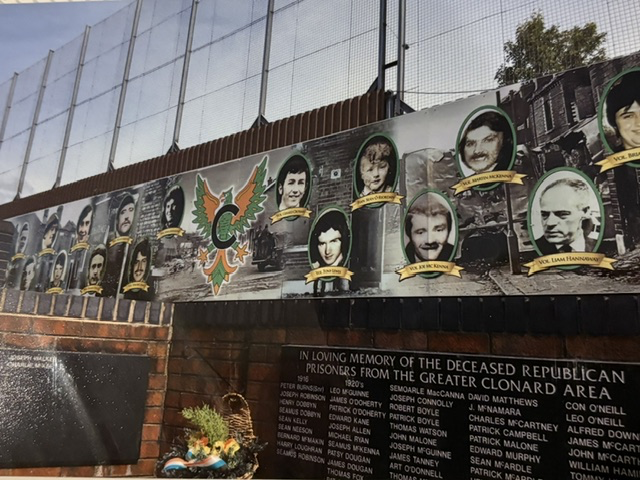
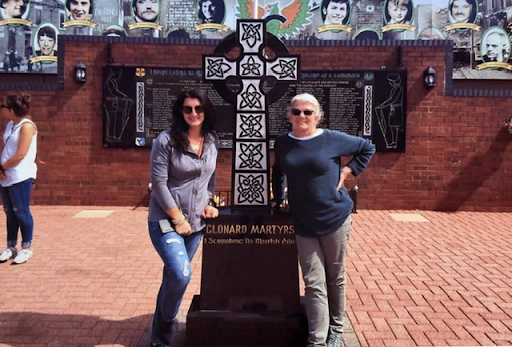
Greater Clonard Martyrs Memorial
Walking through Belfast, you quickly realize that the history of “The Troubles” is still deeply woven into the landscape of the city. Murals, memorial, peace walls and neighborhood tributes appear throughout different sections of Belfast, reminding us that this conflict is part of a living memory for many people who call this city home. This memorial wall […]
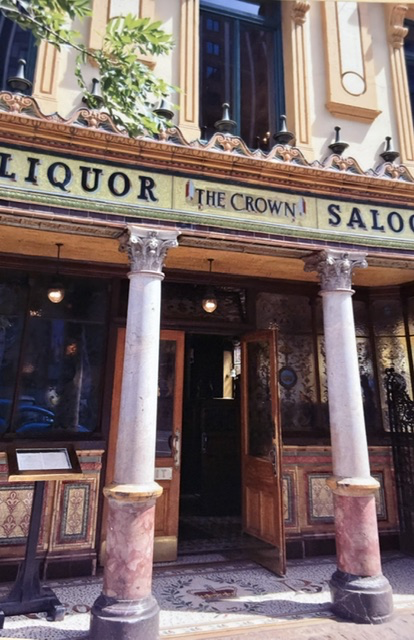
The Crown Liquor Saloon
While touring Belfast, Erin and I made our way to The Crown Liquor Saloon for lunch. We had heard that it was one of the city’s most famous landmarks. Long before we reached our table, we found ourselves standing outside, looking up at the richly decorated façade and appreciating the extraordinary craftsmanship that has welcomed […]

