Colorado National Monument
Colorado National Monument, near Grand Junction in western Colorado, is a landscape shaped by immense sandstone cliffs, deep canyons, and unusual rock formations. From the overlooks, the colorful formations rise dramatically above the surrounding desert, with the broad Grand Valley and distant mountains stretching across the horizon.
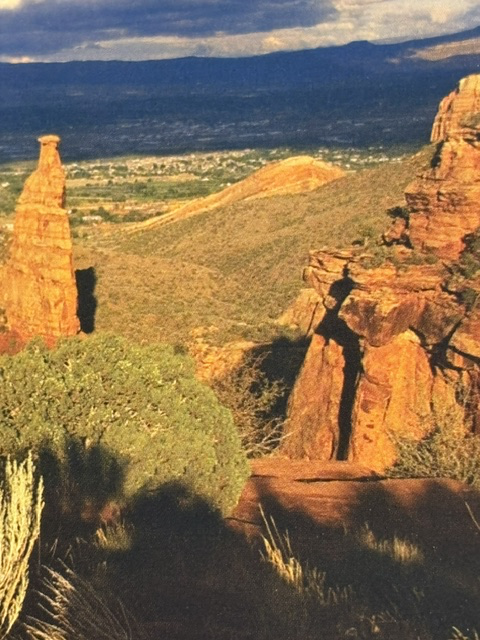
Colorado National Monument became a protected national monument on May 24, 1911, when President William Howard Taft established it under the Antiquities Act. Taft specifically cited the area’s “extraordinary examples of erosion” and their scientific importance as the reason the landscape deserved federal protection. It was only the second national monument established in Colorado and the seventeenth in the nation.
There is a wonderful individual behind its preservation. John Otto arrived in the area in 1906 and became almost obsessed with protecting these canyons. He built trails largely by hand, promoted the landscape to anyone who would listen, and campaigned for its designation as a national monument. When Taft finally established the monument in 1911, Otto became its first custodian.
Otto was also an adventurous climber. On July 4, 1911, he climbed the 450-foot sandstone tower now known as Independence Monument and raised an American flag on its summit. To make the ascent possible, he had hand-drilled holes into the rock and inserted iron pipes that served as a crude ladder. His climb began a local tradition that continues today, with climbers ascending Independence Monument each Fourth of July to raise the flag once again
One of the best ways to experience Colorado National Monument is the 23-mile Rim Rock Drive, which climbs above the Grand Valley and winds along the edges of the canyons, passing overlooks, rock formations, and three tunnels. Much of the road was constructed during the 1930s with the involvement of workers from the Civilian Conservation Corps

Read More From Nancy
Hovenweep National Monument
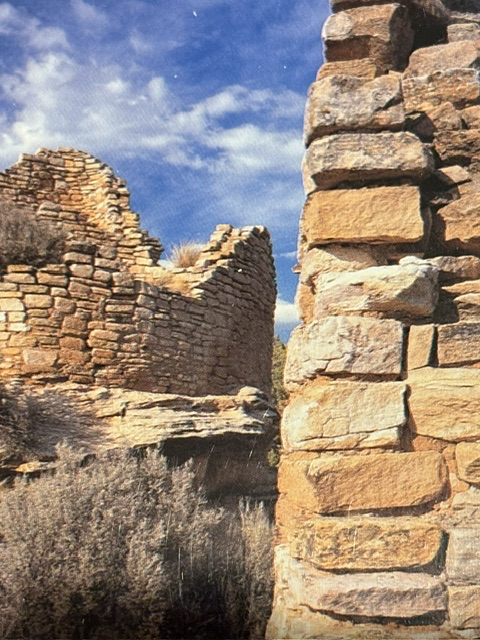
The stone towers and walls of Hovenweep National Monument rise from the desert landscape. This monument is located in the remote Four Corners region along the border of Colorado and Utah. Hovenweep feels isolated even by Southwestern standards. Reaching this monument required traveling long stretches of quiet desert roads. The name Hovenweep comes from a Ute/Paiute word translated as “deserted […]
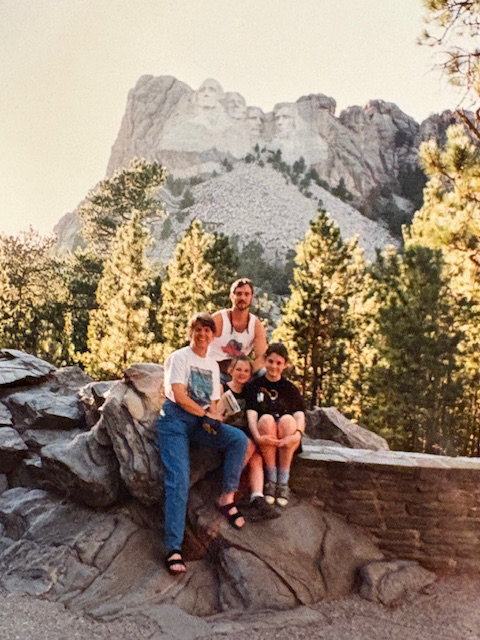
Mount Rushmore National Memorial
Carved into the granite face of the Black Hills are the towering likenesses of four of our presidential leaders. Visiting Mount Rushmore National Memorial is a ceremonial experience. Upon approaching the site, we walked the Avenue of Flags, with flags representing all U.S. states and territories. This walk takes us to the overlook where the […]
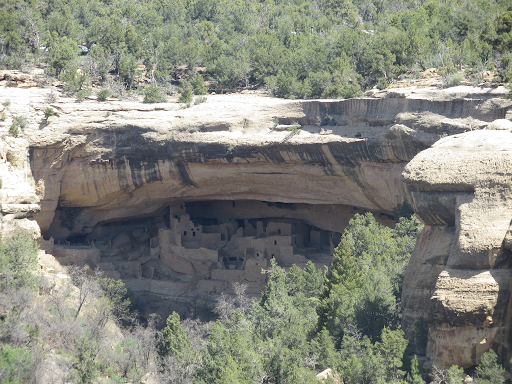
Mesa Verde National Park
Wishing to visit Mesa Verde National Park took some planning. Mapping out visits to our national parks always does, these are not places you simply pass by. They require intention. For this trip, the best place to begin was Durango, Colorado. From there, the drive slowly brings us into a landscape that feels both open and […]

