Bighorn Canyon National Recreation Area
Some landscapes tell their story through mountains or waterfalls. Bighorn Canyon tells its story through the relationship between water and stone. For millions of years, the Bighorn River carved its way through ancient limestone cliffs, creating one of the deepest canyons in the northern Rocky Mountains. Today, those towering canyon walls frame the waters of Bighorn Lake, creating a landscape that is both natural and human shaped.
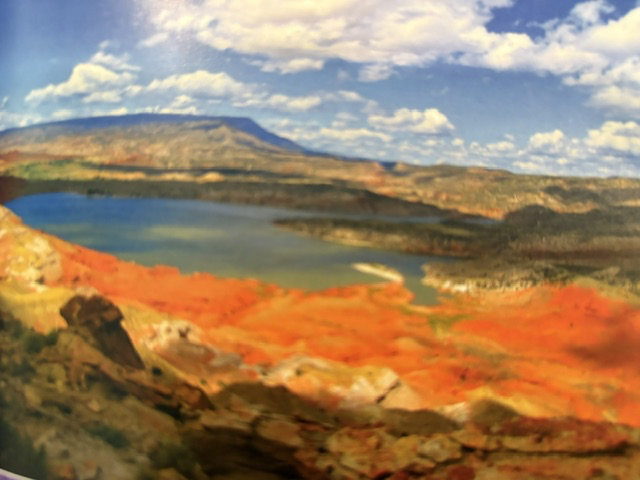
Bighorn Canyon National Recreation Area was established on October 15, 1966, following the completion of Yellowtail Dam. Encompassing more than 120,000 acres, the recreation area was created to preserve the canyon’s scenic beauty, archaeological resources, wildlife habitat, and recreational opportunities while allowing visitors to experience one of the most remarkable river canyons in the American West.
The centerpiece of the recreation area is Bighorn Lake, a seventy-one-mile reservoir extending through Montana and Wyoming. The lake was created when Yellowtail Dam was completed across the Bighorn River in 1965. The dam provides flood control, hydroelectric power, irrigation, and a dependable water supply while also opening the canyon to boating, fishing, kayaking, hiking, and countless opportunities to explore a landscape that had once been difficult to access.
The dam is named for Robert Yellowtail, one of the most respected leaders of the Crow Nation. Throughout his life, Yellowtail worked tirelessly to protect the rights, land, and sovereignty of his people. Interestingly, although the structure bears his name, he opposed the construction of the dam because he believed flooding the canyon would permanently alter lands that held great cultural and historical significance for the Crow people. Naming the dam in his honor reflects the respect he earned through decades of leadership and public service, even while recognizing the complexity of the decisions surrounding its construction.
Visiting Bighorn Canyon reminded me that our National Park System preserves more than untouched wilderness. It also protects landscapes where nature and human history intersect. Here, an ancient canyon, a modern engineering achievement, and the legacy of an important Native American leader all become part of the same story, inviting visitors to appreciate both the beauty of the landscape and the people whose lives have been connected to it for thousands of years.

Read More From Nancy
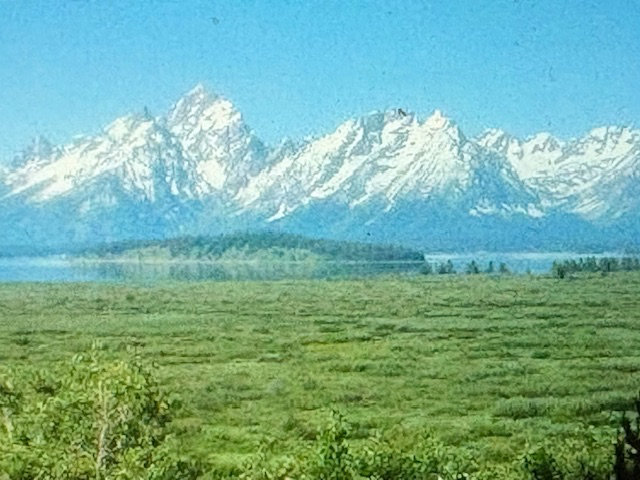
Grand Teton National Park
We chose to stay in the lodge within the Grand Teton National Park to be present for the light throughout the day. In the Tetons, the light brushes the snow-capped peaks with soft pinks and golds in the morning with blue and silvers in the evening. There is no way I could choose which national park […]
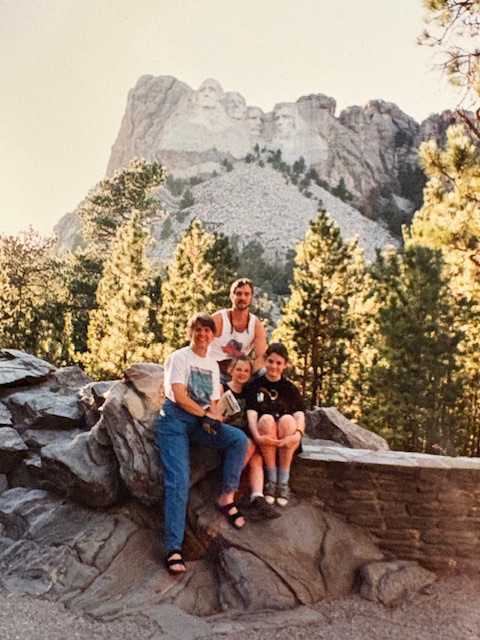
Wind Cave National Park
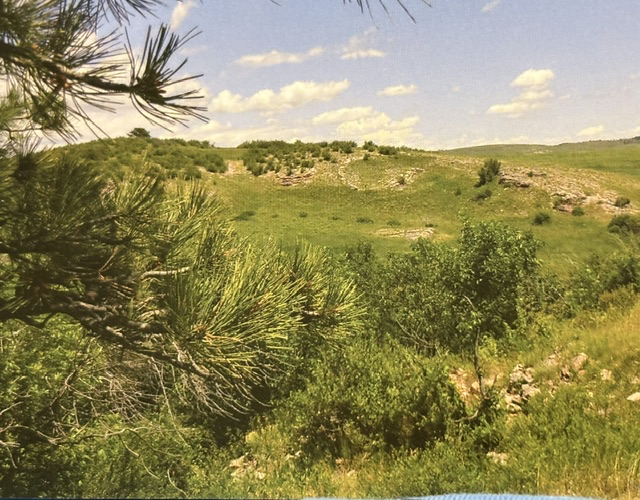
On our cross-country drive to visit South Dakota, we enjoyed many of the historic and natural treasures that make the state such a great destination. One of the most fascinating stops was Wind Cave National Park. Looking across the rolling prairie above ground, it is difficult to imagine the entirely different world that lies hidden […]
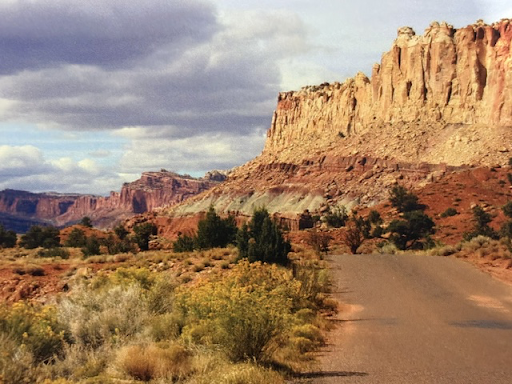
Canyonlands National Park
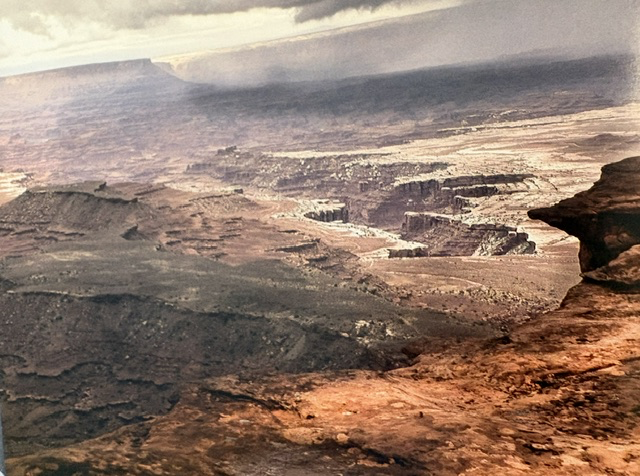
Stretching across southeastern Utah, this vast wilderness is a maze of deep canyons, towering mesas, rugged buttes, and sandstone cliffs that have been sculpted over millions of years by the Colorado River and the Green River. Canyonlands National Park was established on September 12, 1964, to preserve one of the most spectacular and unspoiled canyon […]

