Nova Scotia
Nova Scotia is one of Canada’s three Maritime provinces and was among the four original provinces that formed the Canadian Confederation in 1867. Part of the traditional territory of the Mi’kmaq, its history has also been shaped by Acadian, Scottish, African Nova Scotian, Loyalist, and other communities. Fishing, shipbuilding, maritime trade, coal mining, and the province’s strategic position on the Atlantic have all influenced its development.
Our travels through Nova Scotia introduced us to communities shaped by their close relationship with the sea. My Hometown Stories explore its harbors, lighthouses, historic towns, museums, and protected landscapes while sharing the history and traditions that give the province its distinctive character.
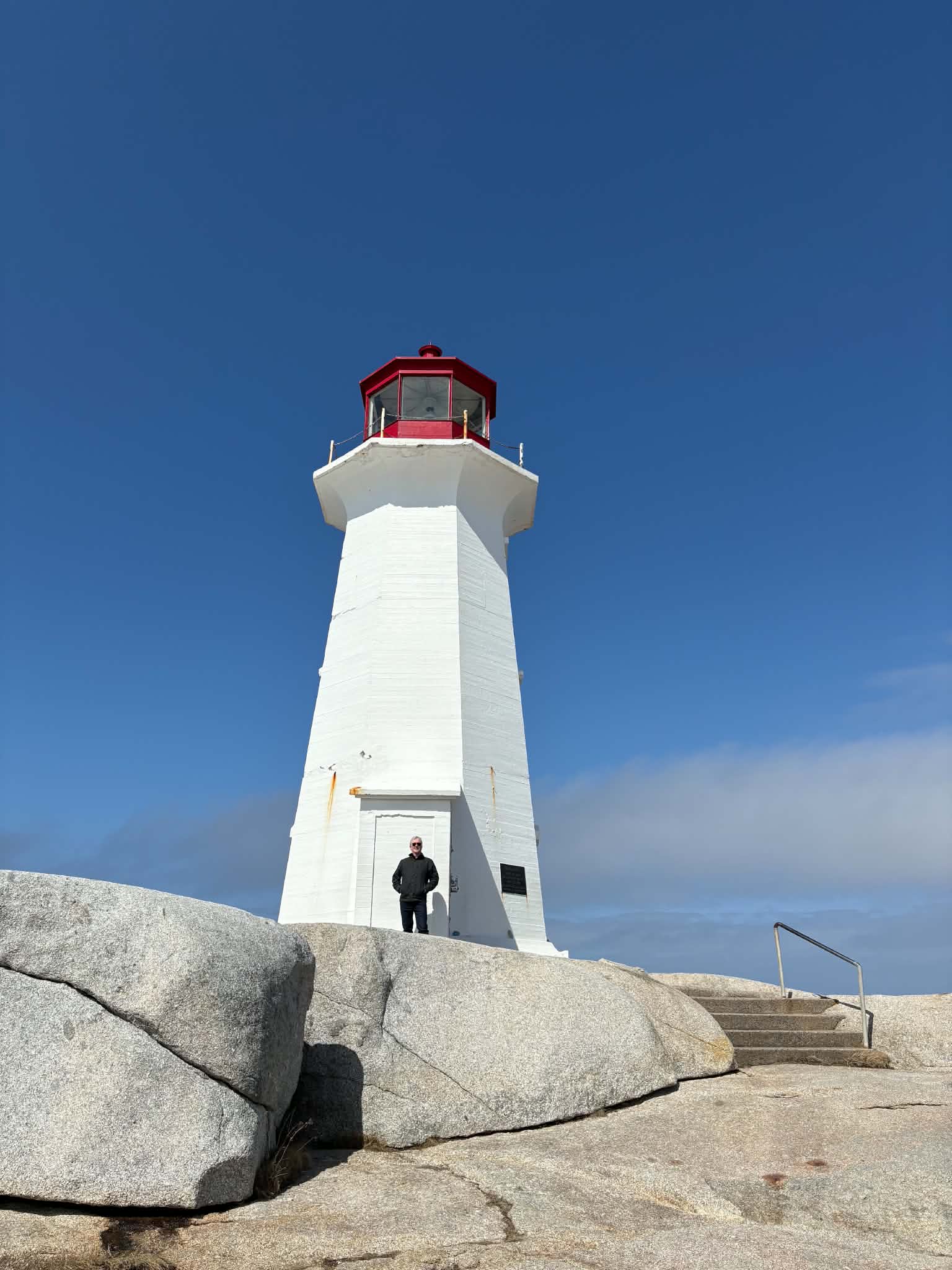
Hometowns
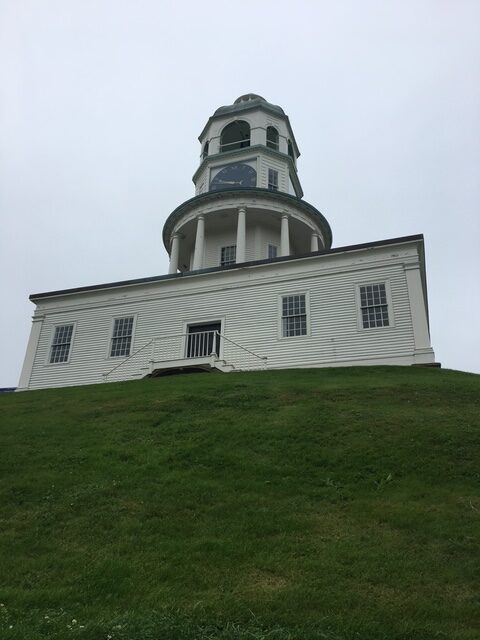
Halifax, NS
Located on Nova Scotia’s Atlantic coast, Halifax grew around a deep, sheltered harbor that has shaped its history for centuries. Known to the Mi’kmaq as K'jipuktuk, meaning “Great Harbour,” the area became the site of a British settlement in 1749. Shipping, trade, and naval activity helped establish Halifax as an important Atlantic port and the provincial capital. As a gateway between North America and the Atlantic world, Halifax developed through the movement of people, goods, and ideas. Its harbor supported merchants, sailors, shipbuilders, and military personnel, while successive generations established homes and businesses throughout the city. These connections gave Halifax an influence that extended well beyond Nova Scotia. Today, Halifax combines the activity of a working waterfront with the character of a historic Maritime city. Its streets and neighborhoods offer stories of public life, commerce, and the people who shaped the community. The harbor remains central to its identity, connecting the city’s beginnings with its continuing place in the wider world.
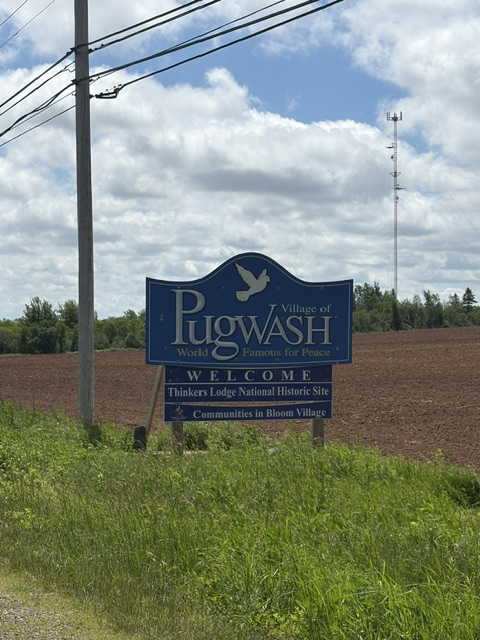
Pugwash, NS
Located on Nova Scotia’s northern shore along the Northumberland Strait, Pugwash is a small village with an unexpectedly important place in world history. Originally shaped by fishing, farming, shipbuilding and its natural harbor, the community became internationally known for an entirely different reason. In 1957, 22 scientists from ten countries gathered at Thinkers’ Lodge in Pugwash to discuss the growing threat of nuclear weapons. Their meeting launched the Pugwash Conferences on Science and World Affairs, an international movement devoted to reducing the danger of nuclear conflict. In 1995, the organization and physicist Joseph Rotblat were awarded the Nobel Peace Prize. Today, Pugwash proudly calls itself a “Village World Famous for Peace”. It is a remarkable legacy for a small Maritime community, and another example of how an ordinary-looking town can hold a story of international importance.

