Beyond Our Own Geography
Growing up in New Hampshire in the 1950s, my travel experiences centered on trips to Maine. I loved those summer days at the beach. They were a wonderful part of my childhood, but as I grew older, I wanted to see what lay beyond the New England places I knew.
During my junior year of high school, I told my college guidance counselor that I wanted to travel after graduation. He reminded me that my grades were good and encouraged me to apply to a four-year university. I followed that advice, and I do not regret going to college. But the desire to travel stayed with me.
When Marty and I became parents, we made travel part of our daughters’ education and development. We wanted their understanding of the world to grow beyond their own geography. New England was their home, but it represented only one landscape, one climate, and a small part of human history. By bringing them to other places, we hoped to help them appreciate different ways of living and recognize that what was familiar to them was not universal.
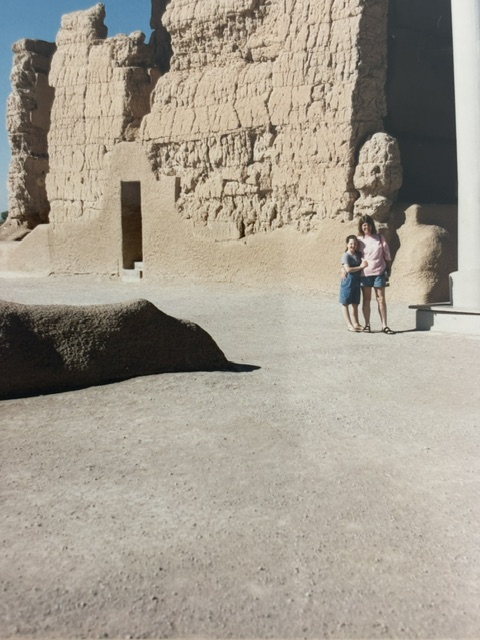
Our visit to Casa Grande Ruins in Arizona offered that opportunity. Coming from New England, where we often visited buildings dating to the colonial period, we stood before a structure built in the 1300s. The ancestral Sonoran Desert people had constructed this multistory Great House from caliche, a naturally occurring material that hardened into durable walls. Here was a history that reached back centuries before the colonial homes and meetinghouses our daughters knew.
The desert itself was part of the lesson. Its dry soil, sparse vegetation, and unfamiliar terrain invited us to consider how people found water, grew food, and built communities in such a different environment. Geography and history belonged together here. Understanding the people meant paying attention to the land in which they lived.
We wanted our daughters to have these experiences while they were growing up—to encounter unfamiliar surroundings, ask questions, and develop a broader sense of their place in the world. A picture in a book could introduce Casa Grande, but standing beside its walls gave them a sense of its scale and setting. They could experience the distance between this desert community and their own New England home.
Bringing our daughters to places like Casa Grande was part of how we helped them grow. We wanted them to discover that their own surroundings were only one small part of a much larger world, where people had built lives in different landscapes and circumstances. These shared experiences broadened their education, giving them places, people, and histories to draw upon as they developed their own understanding of the world.

Read More From Nancy
A Family Photo Captures the Moment
When we were raising our daughters, we took pictures with cameras that used film. We had to wait until the film was developed to see what we had captured. Sometimes someone’s eyes were closed, a smile was awkward, or one of the girls had looked away just as the shutter clicked. By the time we […]

What Can Mouth Breathing Tell Us?
Breathing is something we do every moment, usually without thinking about it. But how we breathe can offer important clues about how our body is functioning and adapting. This is especially meaningful in children, whose structures and movement patterns are still developing. The nose is our primary pathway for breathing at rest. It filters, warms, […]
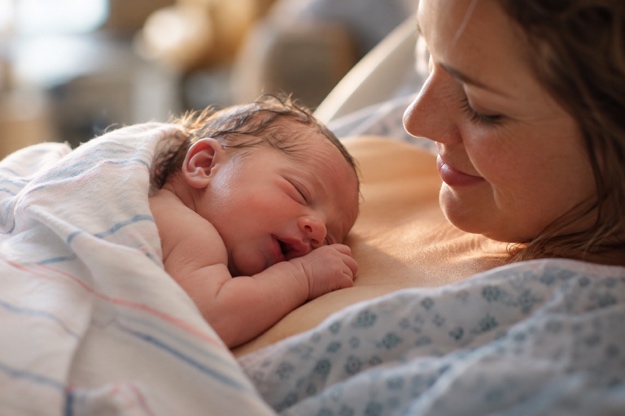
Birth: The Beginning of Your Child’s Neurological Journey
When I think about my pregnancies and the birth of my children, I remember their first cries, the first time I held each of them, and the realization that our lives had changed forever. But with each birth, something equally extraordinary was happening within their developing nervous systems. I was in professional school during my […]

