A Chautauqua Community
For many visitors, the word Chautauqua is unfamiliar, yet it explains almost everything that makes Ocean Park unique.
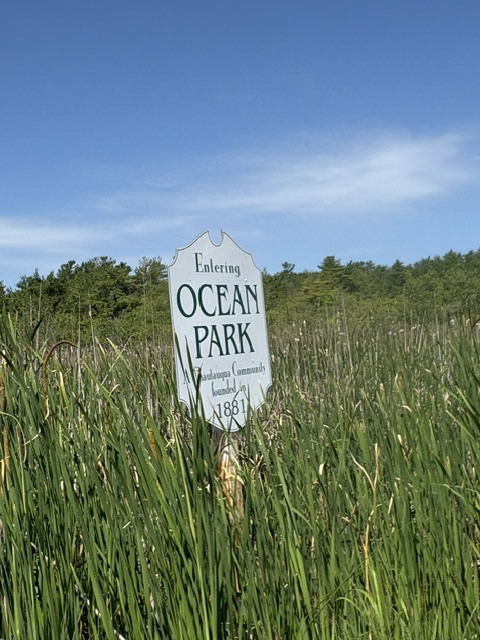
The Chautauqua movement began in 1874 on the shores of Chautauqua Lake in western New York. Originally created as a summer training program for Sunday school teachers, it quickly grew into one of the most influential educational and cultural movements in American history. Within a few years, Chautauqua was attracting thousands of people who came not only for religious instruction but also for lectures by leading thinkers, concerts, scientific demonstrations, literary discussions, theatrical performances, and classes in art, music, and history. The movement embraced the idea that education should continue throughout life and that learning could be both intellectually stimulating and enjoyable.
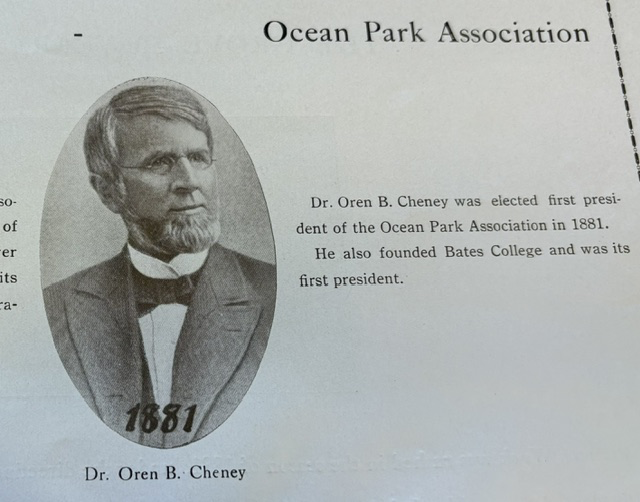
When the founders of Ocean Park organized their community in 1881, they embraced these same ideals. Although Ocean Park was established by Free Baptist ministers and laymen, they envisioned something far more than a traditional camp meeting. They wanted to create a place where faith, education, recreation, music, and fellowship could exist side by side. Visitors might attend a worship service in the morning, listen to a distinguished lecturer in the afternoon, enjoy a concert in the evening, and spend the rest of the day walking the beach or gathering with family and friends beneath the pine trees.
That philosophy earned Ocean Park the nickname “Chautauqua-by-the-Sea.” Like the original Chautauqua Institution in New York, it became a place where people came not simply to relax, but to grow intellectually, spiritually, and culturally. Generations of families returned each summer knowing they would leave not only refreshed but enriched.
Although the national Chautauqua movement gradually declined during the twentieth century as radio, automobiles, and other forms of entertainment changed American life, Ocean Park never abandoned its founding principles. Today, concerts still fill Porter Memorial Hall, lectures continue, worship remains central to community life, and families gather much as they have for more than 140 years.
Read More From Nancy
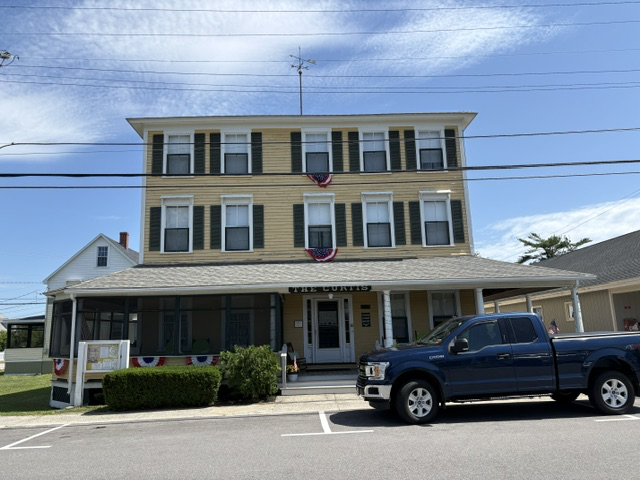
The Curtis
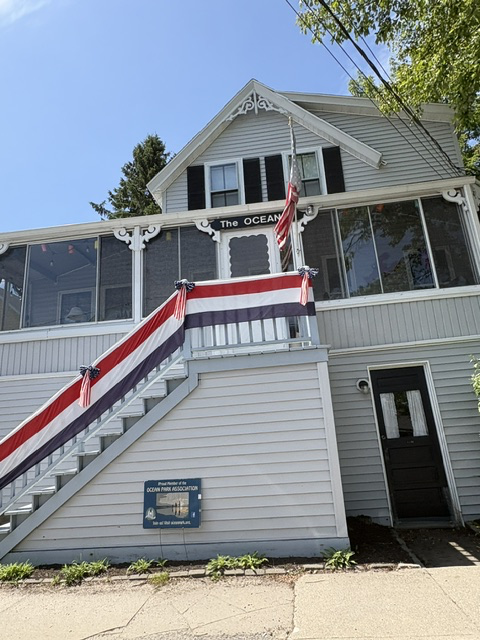
Standing prominently on Temple Avenue in the heart of Ocean Park, The Curtis has been welcoming visitors since 1882. While many people assume it is simply another historic guest house, its story is much richer. For nearly a century and a half, The Curtis has served as the home of the Educational Bureau of Ocean […]
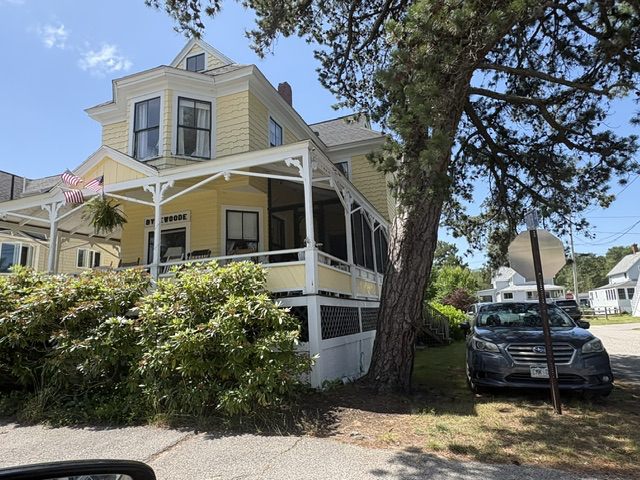
Bywoode Guest House
One of the pleasures of walking through Ocean Park is discovering the many boarding houses and guest cottages that have quietly welcomed summer visitors for generations. Among them is the Bywoode, a handsome Victorian-era guest house whose broad porches and generous size reflect a time when families often spent weeks, or even the entire summer, […]
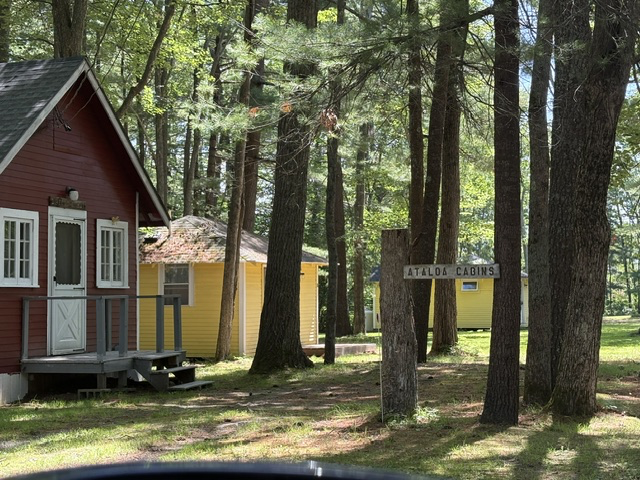
Ataloa Cabins
Walking through Ocean Park, it is easy to see that not every visitor stayed in one of the grand boarding houses or hotels. Tucked beneath the tall pines are clusters of modest seasonal cabins like the Ataloa Cabins, reminders that Ocean Park was designed to be a place where families of many backgrounds could enjoy […]

