6 Curtice Ave
The North End of Concord is where I was born and raised. It is an area built over time by the people who chose to live there and stay.
The Town of Concord was first settled in 1725 and for many years it was a place of farms, open land and scattered homes. When Concord became the state capital in 1808, much of what is the North End remained undeveloped.
It was in the late 1800s, around the time my grandparents’ house was built, that his part of the city began to take shape.
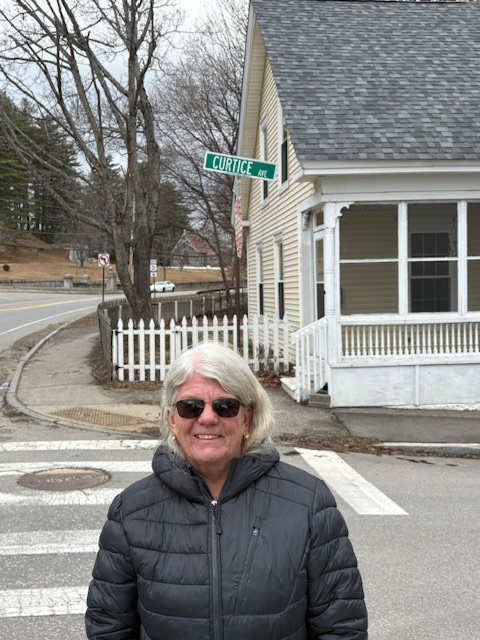
Streets like North States Street extended outward, and smaller roads, like Curtice Ave, were laid out as land was divided and sold. This was not a planned neighborhood. It grew one house at a time, as families arrived and built where there had once been open space.
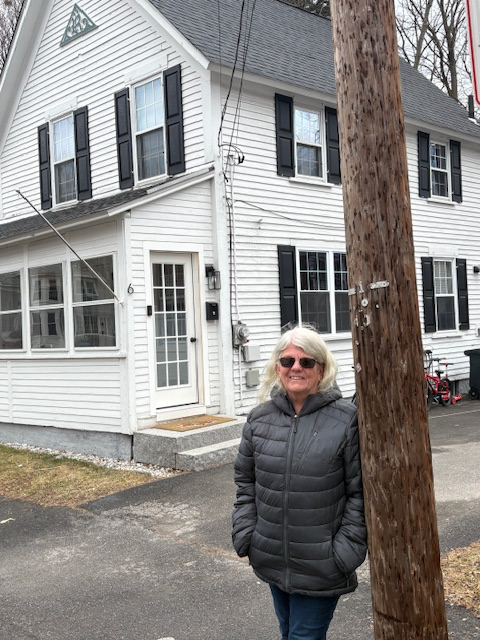
The house at 6 Curtice Avenue, built in 1890. It is a single-family home, modest, built with purpose rather than ornament. Houses like this were designed for living, close to the street, close to neighbors and part of a neighborhood. They reflect a time when the idea of home was tied to connection.
By the turn of the 20th century, the North End had become a working and family centered community. Many of the residents were part of Concord’s growing workforce. The neighborhood became home to a strong Catholic community. Churches, schools and nearby shops created a way of life where much of what people needed could be found within walking distance.
My grandparents began their life at 6 Curtice Avenue. My mother lived her entire life in this home. Their continuity is exactly what places like the North End were built to support. People did not move often, they stayed.
And because they stayed, the neighborhood I grew up in, became more than a collection of houses. It became a place of shared memory, where the same streets, the same houses and the same routines carried from one generation to the next.
Today, the houses are still there. The streets are still laid out the same way. The structure of the neighborhood has not changed, even if the lives within it have.
Standing in front of 6 Curtice Ave, you are not just looking at a house built in 1890. You are looking at the beginning of my family in this neighborhood.
Read More
Read More From Nancy
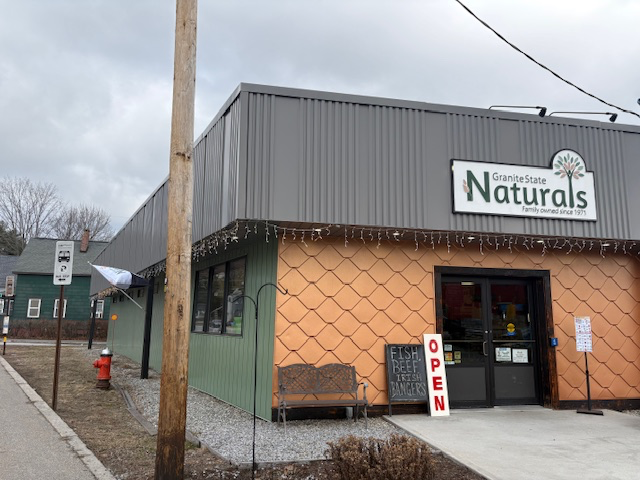
Jennings Market
On North State Street in the North End of Concord, there was a small market called Jennings. It was not a large store, and it was not meant to be. It was built for the neighborhood, for the people who lived within walking distance, for the rhythms of daily life that unfolded one visit at a […]
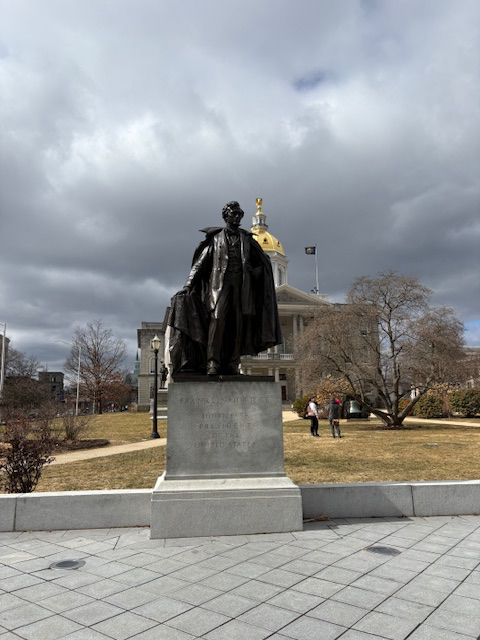
Franklin Pierce Statue
Concord is the capital of the state, so I grew up with the beautiful granite New Hampshire State House as the center of downtown. On the grounds of the State House are a number of sculptures that quietly communicate what and who are valued. These monuments are not just decorative they reflect the history and identity of the state. […]
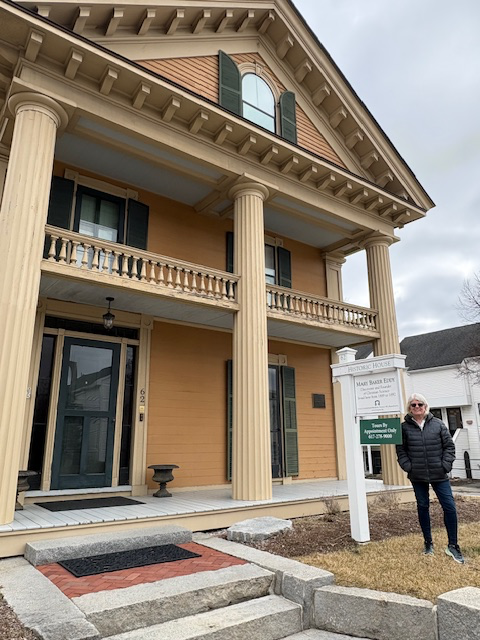
Mary Baker Eddy’s House
This house in Concord is part of Mary Baker Eddy’s earlier life, long before her broader recognition. When she lived here in the 1870s, she was not yet the established leader of a global religious movement. She was in a period of rebuilding, personally, financially and professionally. Born in nearby Bow in 1821, Mary Baker Eddy […]

