Nez Perce National Historical Park
For at least 11,000 years, the valleys, prairies, mountains and plateaus of the Inland Northwest have been home to the Nimiipuu, meaning “the people”. Their lives were shaped by the region’s rivers, abundant salmon, mountain forests and open grasslands. They traveled widely along the Clearwater, Snake and Columbia rivers to hunt, fish, gather roots and berries, trade with neighboring peoples and maintain relationships across an immense homeland.
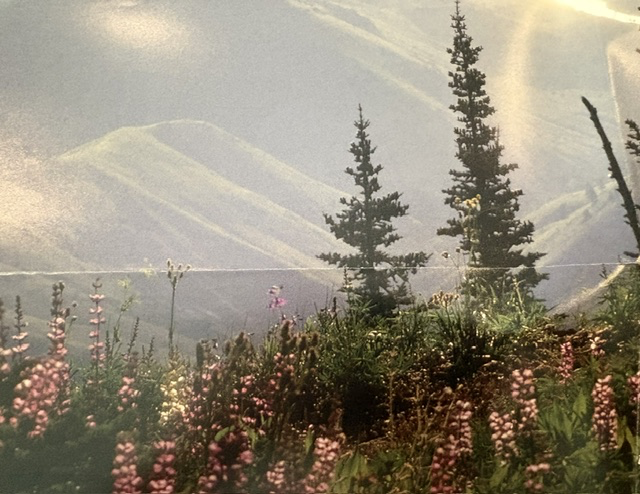
Nez Perce National Historical Park is unusual because it is not one continuous property. Its 38 sites are scattered across Idaho, Oregon, Washington and Montana. Together, they preserve places associated with Nimiipuu villages, traditional gathering grounds, encounters with the Lewis and Clark Expedition, Christian missions, treaties and the Nez Perce War of 1877. The park’s expansive landscapes help explain why the land was never merely territory. It was the foundation of the people’s culture, identity and way of life.
Congress established the park on May 15, 1965, through legislation signed by President Lyndon B. Johnson. It originally included 24 sites in Idaho. In 1992, President George H. W. Bush signed legislation adding 14 more sites and expanding the park into Oregon, Washington and Montana.
Although many visitors associate the Nez Perce story primarily with Chief Joseph and the war of 1877, the park presents a much longer history. The Nimiipuu endured the loss of much of their homeland, forced relocation and repeated attempts to suppress their culture, yet they remain a living people with a continuing connection to these lands. Visiting the park offered an opportunity to experience the beauty of that homeland while recognizing the generations of Nimiipuu who have cared for it and continue to call it home.
Read More From Nancy
Whitman Mission National Historic Site
I had known the story of Narcissa Whitman long before I visited this site. I remember reading about her to my daughters when they were growing up—the young missionary who crossed the continent with her husband, Marcus, in 1836 to establish a mission among the Cayuse people in what was the Oregon Country. Visiting Whitman […]
Hagerman Fossil Beds National Monument
Another remarkable place that preserves a much older chapter of Earth’s story is Hagerman Fossil Beds National Monument. Located in southern Idaho, along the Snake River Canyon near the small town of Hagerman, this landscape holds fossil deposits dating back 3 to 4 million years. This region was once very different. Instead of the dry terrain […]
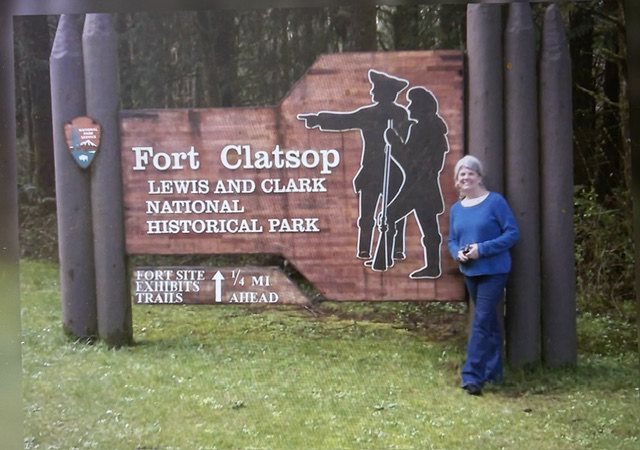
Lewis and Clark National Historical Park
A few hours before we flew home from teaching in Oregon, we took a road trip to Fort Clatsop, part of the Lewis and Clark National Historical Park. What began as a simple side trip became one of those memorable moments where history suddenly feels very real. Standing at the place where the Lewis and Clark Expedition […]

