Hill-Stead Museum
On a day trip to Connecticut, we stopped to tour a remarkable home set quietly back on the rolling lawns in Farmington. We walked past the white facade with black shutters into the rooms covered with early impressionist paintings. These works once challenged convention and helped shape the future of art.
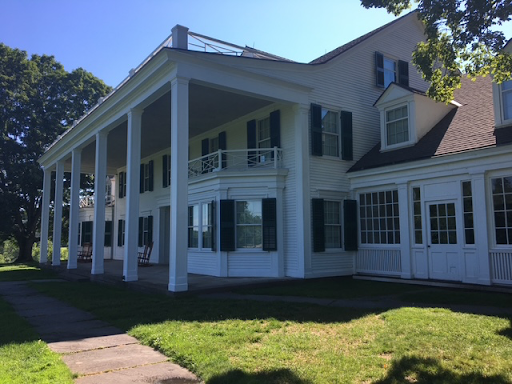
Hill-stead was completed in 1901 for Alfred and Ada Pope, members of a wealthy and intellectually curious family. Like many families of the Gilded Age, the Popes used their financial success not only to build a beautiful home, but to invest in culture and education.
What makes Hill-Stead special is that the home was designed by their daughter, Theodate Pope Riddle, one of the first licensed female architects in the United States. At a time when women rarely held professional authority. Theodate executed a hose that blended Colonial Revival with modern thinking about light.
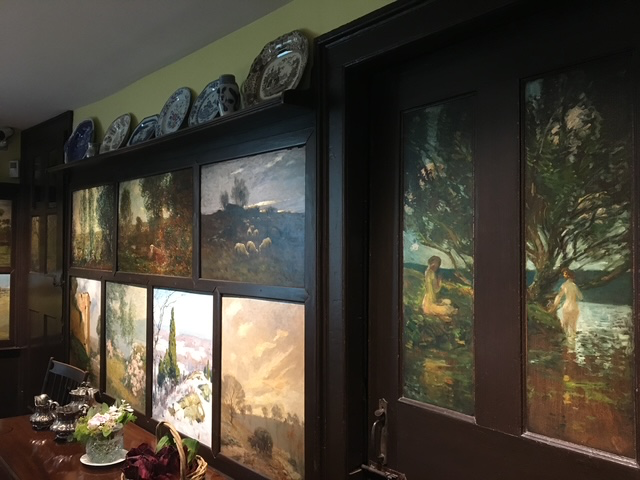
The art collection includes painting by Monet, Dega, Manet and Whistler and they are woven into the fabric of each room. At a time when Impressionism was still viewed with skepticism in America, the Popes embraced it, trusting their own instincts rather than prevailing opinion.
Theodate Pope Riddle’s role in shaping Hill-Stead foreshadowed a remarkable career that would include historic preservation, educational philanthropy and architectural leadership well beyond what was expected for women of her era.
Today, the Hill-Stead Museum remains remarkably intact, a place where forward-thinking ideas once took root and continue to resonate
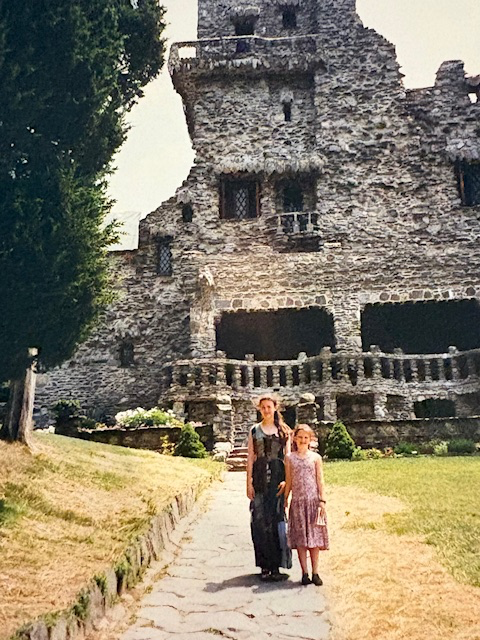
Read More From Nancy
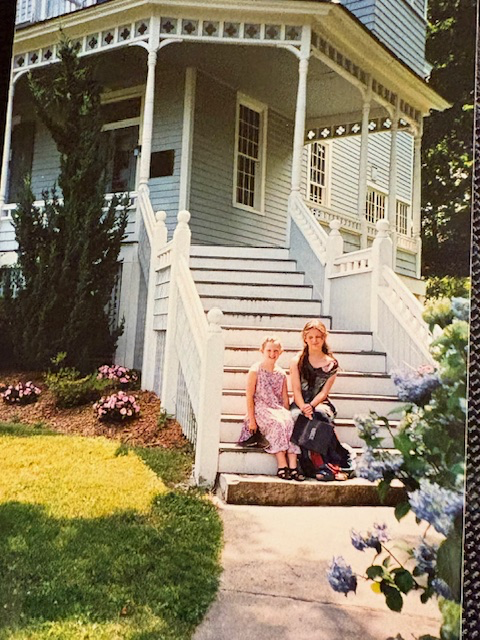
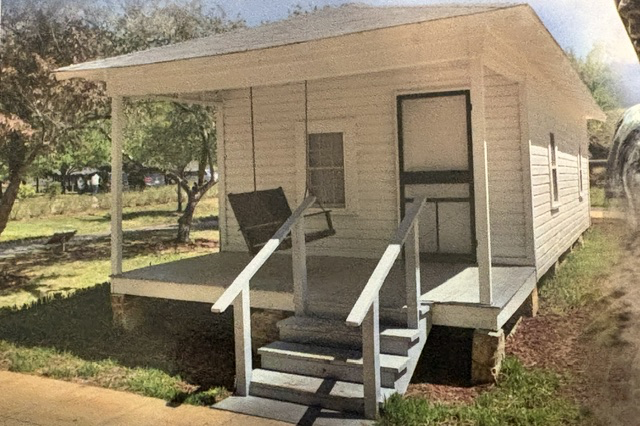
Eugene O’Neill’s Monte Cristo Cottage
Connecticut is not too far for a good road trip and on this day, it brought us to Eugene O’Neill’s home in New London. This house, known as the Monte Cristo Cottage, was the family’s summer home, and decades later it became immortalized as the setting for “Long Day’s Journey into Night”. This is one of […]
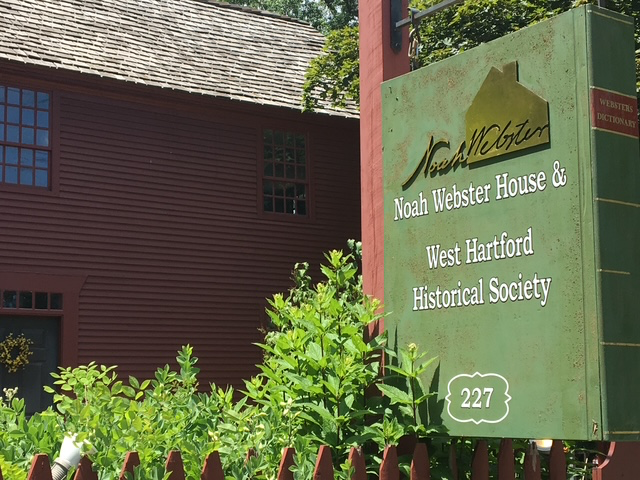
Noah Webster House
When I visited the Noah Webster House in West Hartford, CT, I stepped back into a Connecticut farmhouse built in the mid-1700s. Noah Webster was born in 1758, the son of a farmer and deacon who believed in education. At just 16, Noah left this home to attend Yale College, one of the finest in […]
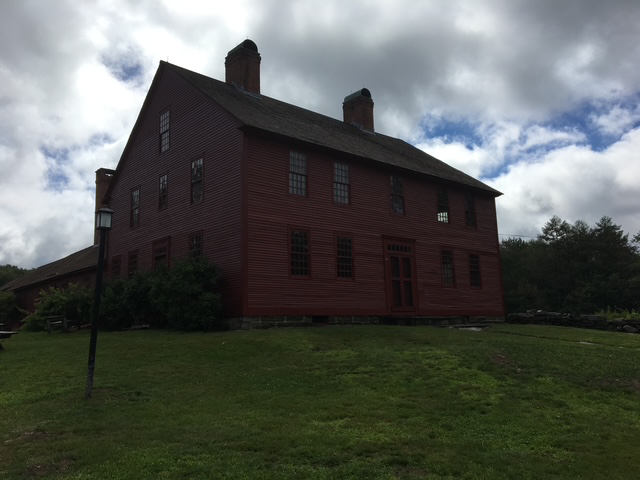
Nathan Hale Homestead
Tucked amid the rolling fields and stone-walled roads of Coventry, Connecticut, stands the Nathan Hale Homestead, built around 1772 by Richard Hale, the father of Nathan. Though Nathan did not grow up in this particular house, it stood on the family’s farmland where he had spent his boyhood. By the time the house was finished, […]

