Minidoka National Historic Site
After touring Manzanar in California in 2012, I visited Minidoka in Idaho in 2014. At that time, Minidoka was not as organized or extensively interpreted as Manzanar. There were fewer restored structures, and much of the former camp had disappeared into the surrounding agricultural landscape. That emptiness, however, was part of the experience. It demonstrated how completely a place where thousands of people had once lived could nearly vanish from view.
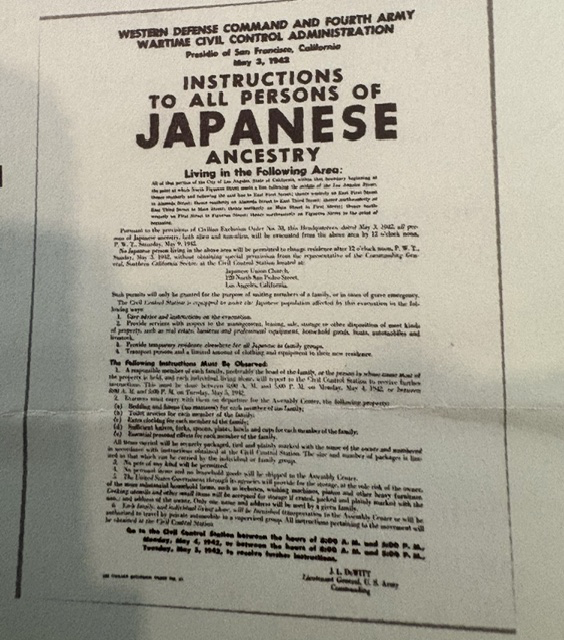
Minidoka opened on August 10, 1942, following President Franklin D. Roosevelt’s Executive Order 9066. More than 13,000 Japanese Americans passed through the camp before it closed on October 28, 1945, with its population reaching a high of 9,397. Most had been forcibly removed from communities in Washington, Oregon and Alaska. The residential and administrative area occupied approximately 950 acres within a much larger 33,000-acre tract.
Life here was shaped by the extremes of Idaho’s high desert. Summer temperatures climbed above 100 degrees, winter temperatures fell below zero, and autumn rains transformed the dusty ground into deep mud. Families lived in poorly insulated, tar-paper-covered barracks surrounded by barbed wire and guarded by military police. Most of those incarcerated were American citizens who had been deprived of their homes and freedom without being charged with a crime.
President Bill Clinton established Minidoka Internment National Monument on January 17, 2001. In 2008, legislation signed by President George W. Bush expanded the protected area and redesignated it Minidoka National Historic Site. When we arrived in 2014, preservation and interpretation were still developing.
Manzanar presented its history through a more established visitor center and reconstructed portions of the camp. Minidoka required us to work harder to imagine what had once stood across those open fields. Both preserve the consequences of fear and prejudice and remind us how easily the constitutional rights of an entire group of Americans were taken away.
Read More From Nancy
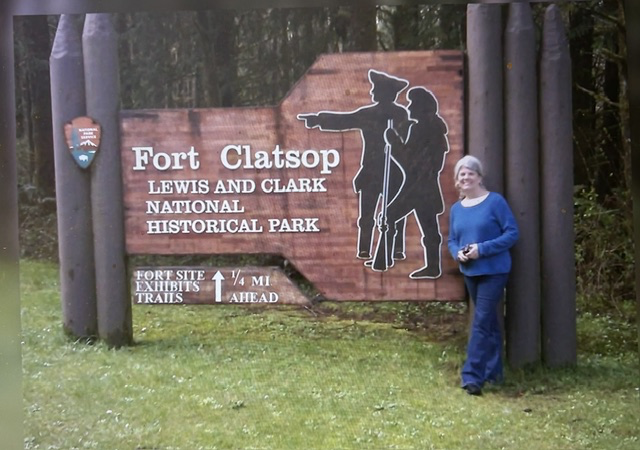
Lewis and Clark National Historical Park
A few hours before we flew home from teaching in Oregon, we took a road trip to Fort Clatsop, part of the Lewis and Clark National Historical Park. What began as a simple side trip became one of those memorable moments where history suddenly feels very real. Standing at the place where the Lewis and Clark Expedition […]
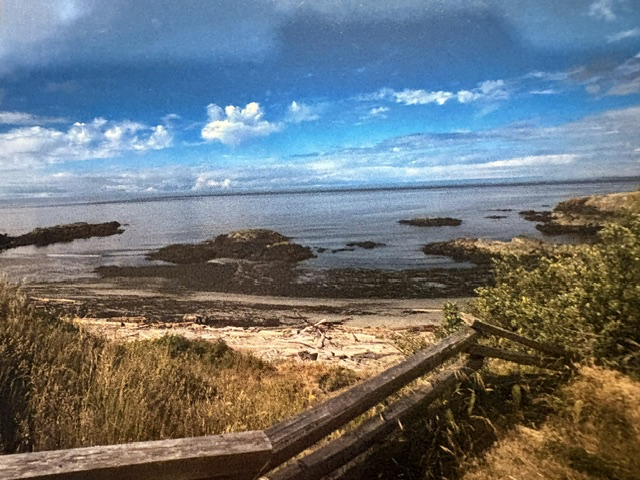
San Juan Island National Historical Park
San Juan Island National Historical Park in Friday Harbor, Washington, preserves one of the most unusual stories in American history. Established as a National Historical Park in 1966, the park commemorates the peaceful resolution of a boundary dispute between the United States and Great Britain that became known as the “Pig War.” Reaching San Juan Island […]
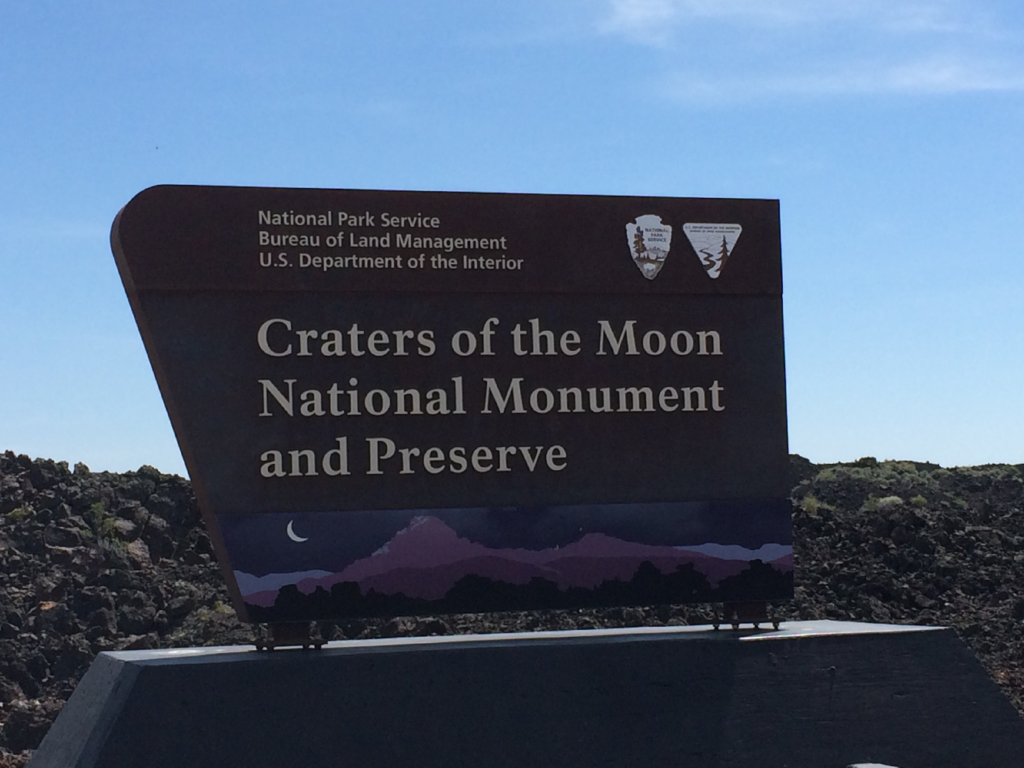
Craters of the Moon National Monument
Another solo driving tour took me through Idaho. There were early mornings on those roads when the light stretched across open land and I found myself wishing someone else could see what I was seeing. Some landscapes feel almost too vast to keep to yourself. I knew there was no way I could fully describe it. […]

