Beaconsfield Historic House
While exploring Charlottetown, we stopped at Beaconsfield Historic House, a beautiful Victorian home overlooking Charlottetown Harbour. Standing on its broad veranda and looking toward the water, it is easy to understand why this would have been one of the city’s most desirable places to live in the late 19th century.
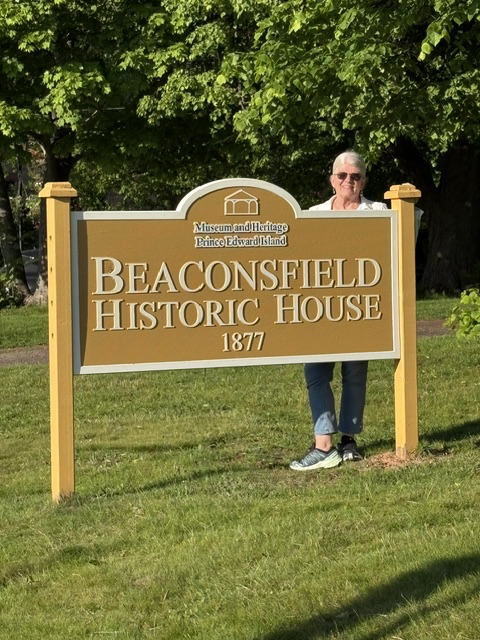
Beaconsfield was designed and built in 1877 by architect William Critchlow Harris for James and Edith Peake. James Peake Jr. came from one of Charlottetown’s prominent shipbuilding and mercantile families. At the time, wooden shipbuilding was an important part of Prince Edward Island’s economy, and the Peake family owned several wharves along the Charlottetown waterfront.
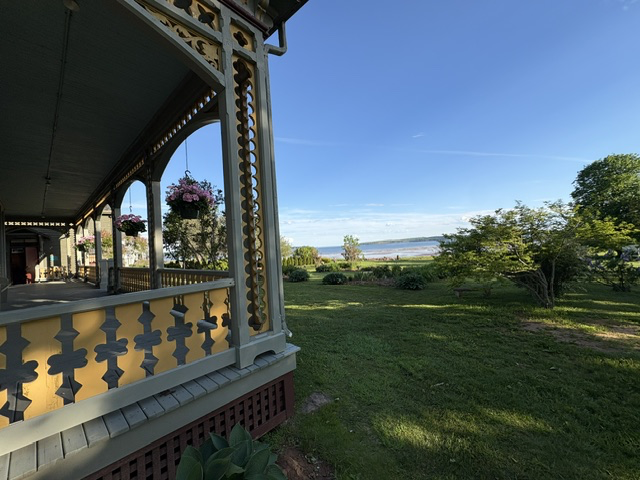
The house reflected the family’s prosperity. Beaconsfield was considered one of Charlottetown’s most elegant homes, constructed with fine materials and craftsmanship and equipped with some of the latest conveniences of the day. From its location above the harbor, the house also maintained a very real connection to the maritime world from which the Peake family’s wealth had come.
But there is a much more complicated story behind this beautiful house. James and Edith Peake enjoyed Beaconsfield for only a few years. Prince Edward Island’s wooden shipbuilding industry was declining, and James Peake’s financial fortunes collapsed with it. The family left Beaconsfield in November 1882, only five years after moving into the house.
In 1883, Henry Cundall became the second owner and moved into Beaconsfield with his sisters, Penelope and Millicent. Cundall remained there until his death in 1916. The house then began an entirely different chapter, serving as a residence for young women and later as the Cundall Home, a residence for student nurses. Today, Beaconsfield is preserved by the PEI Museum and Heritage Foundation, with many of its original Victorian features still intact.
Charlottetown’s harbor, ships and maritime commerce helped create the Peake family’s prosperity. Then changes in that same maritime economy contributed to the loss of the home they had built to represent their success. That makes Beaconsfield much more than an elegant Victorian house. It is a reminder that historic homes preserve stories of changing fortunes as well as success. Families build them, lose them, alter them and leave them behind. New people give them new purposes.
Read More From Nancy
The Kirk of St. James
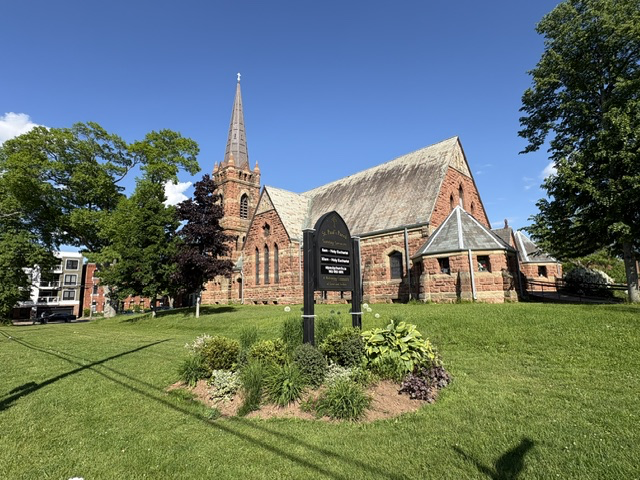
While walking through Charlottetown, I photographed the Kirk of St. James, a beautiful sandstone Presbyterian church standing on Fitzroy Street. The building caught my attention, but its story reaches far beyond the congregation that worshipped here. It represents the enormous influence Scottish immigrants had on Prince Edward Island. Beginning in the late 18th century and […]
St. Dunstan’s Basilica
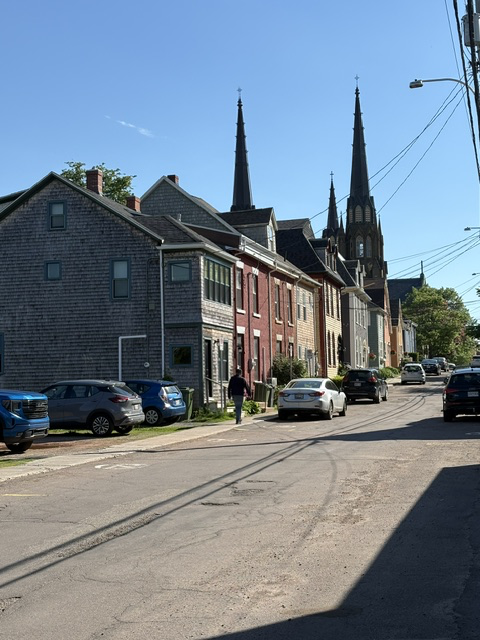
Walking through Charlottetown, I could see the twin spires of St. Dunstan’s Basilica rising above the houses long before I reached the church itself. In my photograph, they seem almost to emerge from the neighborhood, towering over the smaller buildings along the street. At approximately 200 feet high, they remain among the highest points on Charlottetown’s skyline. […]
City Hall
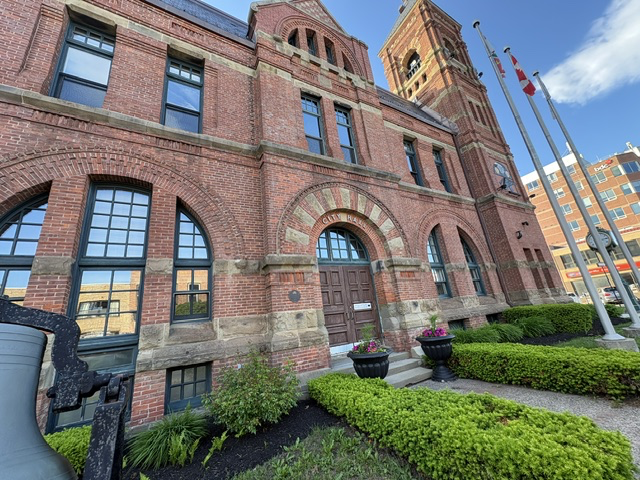
Walking through Charlottetown, I was struck by how many chapters of the city’s history remain visible in its buildings. Charlottetown City Hall is one of the best examples. Its red brick walls, massive, rounded arches, contrasting bands of stone and tall corner tower make it difficult to pass without noticing it. But the building tells […]

