Suspended Oaths: Germans and Italians
December 1941Dearest Reader,
In a letter dated December 13, 1941, just six days after the attack on Pearl Harbor, my grandmother recorded how quickly the war reached into ordinary lives. My father was living in Saginaw, Michigan at the time, having just turned twenty-one, and the country was still reeling from the shock of December 7. The United States was suddenly at war, and uncertainty permeated even the most routine aspects of life.
In the midst of the upheaval, my grandmother noted an event that might seem small but speaks volumes about the atmosphere of fear and urgency that followed Pearl Harbor. She wrote:
“Sr Hilda was supposed to be naturalized Monday, but Atty General Biddle issued orders to all judges in the U.S. that no Germans or Italians could be naturalized, so they left her out.”
Within days of Pearl Harbor, the Department of Justice moved swiftly to classify German, Italian and Japanese nationals who were not yet citizens as “enemy aliens”. As part of these emergency wartime measures, naturalization ceremonies for Germans and Italians were abruptly suspended across the country. Judges were instructed to exclude them from citizenship proceedings, even when individuals had already completed the process and were scheduled to be sworn in.
The Attorney General she refers to was Francis Biddle, who had taken office earlier that year under President Franklin D. Roosevelt. His department oversaw internal security during the war’s opening days, issuing directives that reshaped immigration, citizenship and civil liberties almost overnight. There was no single, named law but a rapid series of administrative orders that reflected the nation’s fear.
For Sr. Hilda, and for countless others like her, this meant exclusion without warning. Citizenship, which had seemed imminent, was suddenly postponed indefinitely, not because of personal conduct, but because of birthplace.
Set alongside her questions to my father about registration and the draft, this moment reveals how swiftly the landscape of American life. In a single letter, she captures a country pivoting under pressure.
Dr. Nancy Watson
Washington
Read More From Nancy
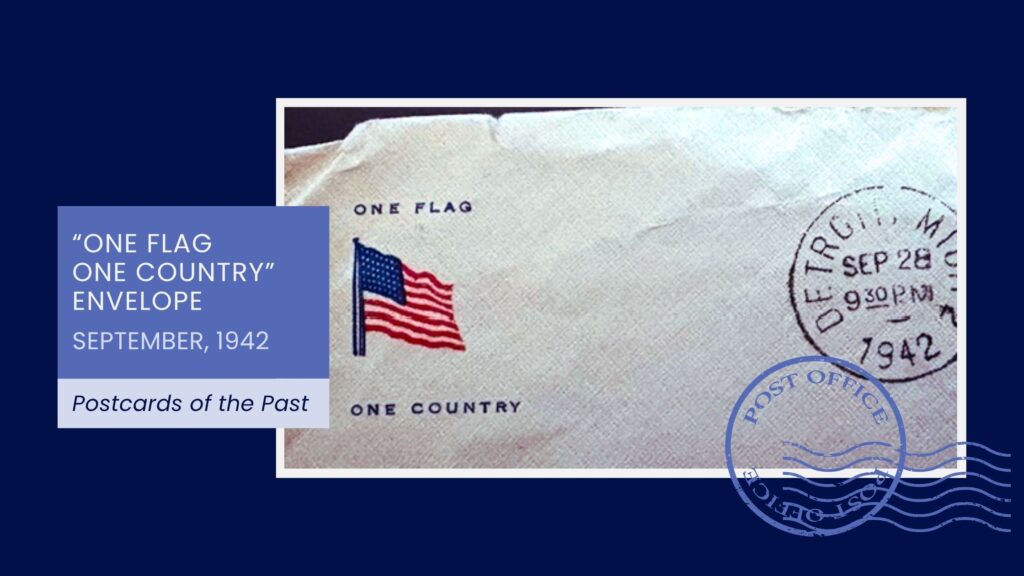
“One Flag One Country” 1942 Envelope
As I continue to explore the letters that were written to my father while he was stationed in the Army during World War II, it is often the small details that catch my attention. One envelope stood out. The letter had been mailed from Michigan, and the postmark reads: September 18, 1942. But what caught my eye […]
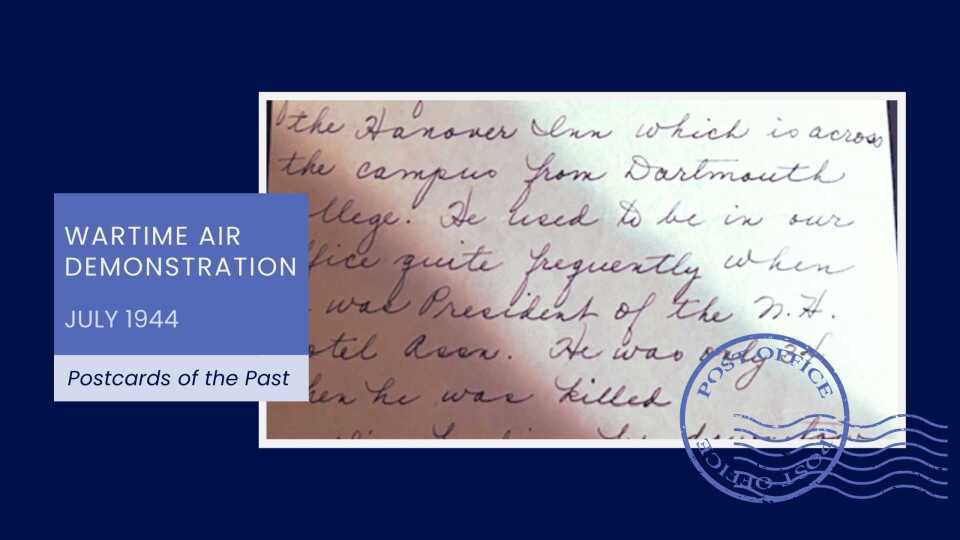
Wartime Air Demonstration
In a letter dated July 28, 1944, my mother responded to news my father had shared about a tragic accident that occurred during an air show. Her words suggest not only how quickly such events traveled through letters and conversations: “Mother read to me what you wrote about that plane accident that occurred while that […]

In Belgium with the 142nd Infantry
Among my mother’s collection of wartime newspaper clippings was this photograph of Lieutenant Charles Ernest Bowers, a World War II officer serving with the 142nd Infantry Regiment in Belgium. The clipping reports that he had already spent seventeen months overseas, serving in the Aleutian Islands before his assignments in England, France and Belgium. He had been […]

