Office of Price Administration
July 1944Dearest Reader,
In her July 19, 1944, letter, as my mother was already making plans to begin a life with my father, she turned her attention to the practical details of setting up a household, details shaped by wartime reality. With calm confidence, she wrote:
“I don’t think it’s hard to get those things now if you’re just starting house-keeping for the first time. You have to go to the O.P.A. of course, but it’s people who are trying to replace old stoves who can’t get them.”
At the time, The Office of Price Administration (OPA) governed much of daily life on the home front. Established in August 1941, even before the United States officially entered World War II, the OPA controlled prices and rationed essential goods to prevent inflation and ensure fair distribution during shortages. By 1944, it was fully entrenched in American life. Everyday necessities, such as, food, gasoline, tires, fuel and major appliances like stoves, required approval, ration points and patience.
My mother understood this system. She believed that newly married couples, just starting out, stood a better chance of receiving what they needed than those trying to replace worn-out items. Her words reflect a quiet certainty that they would be able to build a home.
The O.P.A. would remain in place until June 1947, long after the war ended, as the country transitioned back to a peacetime economy. But in the summer of 1944, it symbolized both restriction and order. My mother’s words remind me of how wartime shaped not just global events, but even the most intimate acts of building a life together.
Dr. Nancy Watson
Washington
Read More From Nancy
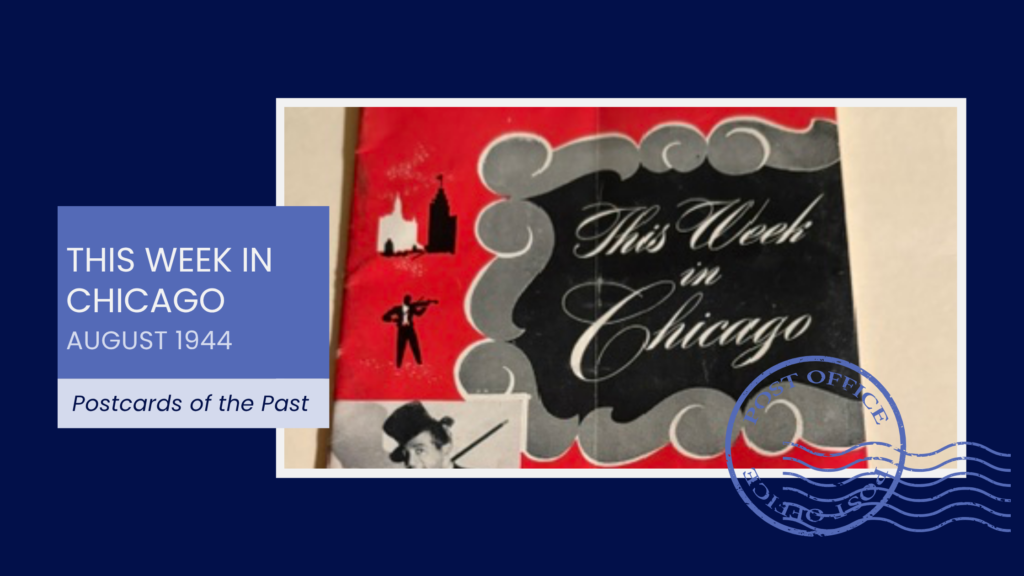
This Week in Chicago
Among my father’s papers is this small wartime entertainment guide, This Week in Chicago, dated August 19, 1944. Its colorful cover advertised some of the entertainment available in the city that week, including bandleader and entertainer Ted Lewis at the Latin Quarter and Jane Mihan at Club So-Ho. At first glance, it seems like a […]
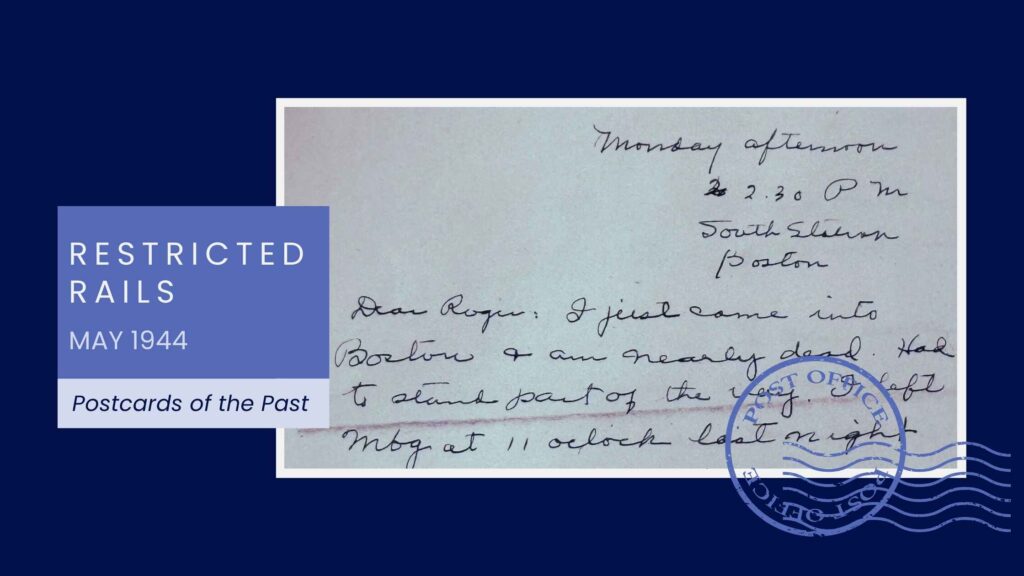
Restricted Rails
My parents were married in May of 1944 while my father was home on furlough, a brief pause in the turmoil of a world at war. The letters they left behind include tender notes between two young newlyweds and the steady, pleading correspondence from my grandmother to her only son. These letters form an intimate […]
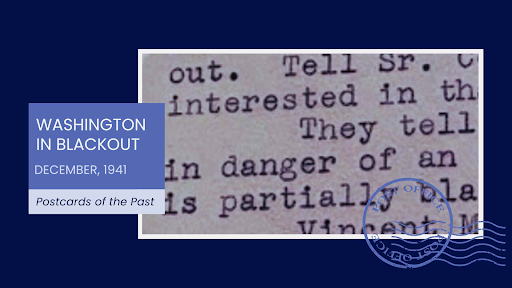
Washington in Blackout
In the December 13, 1941, letter, my grandmother described another unsettling reality of those first days after Pearl Harbor, the fear that the war might reach the American mainland. Information was fragmentary, rumors circulated freely, and no one yet knew what form the conflict would take. She wrote simply and without drama: “They tell us […]

