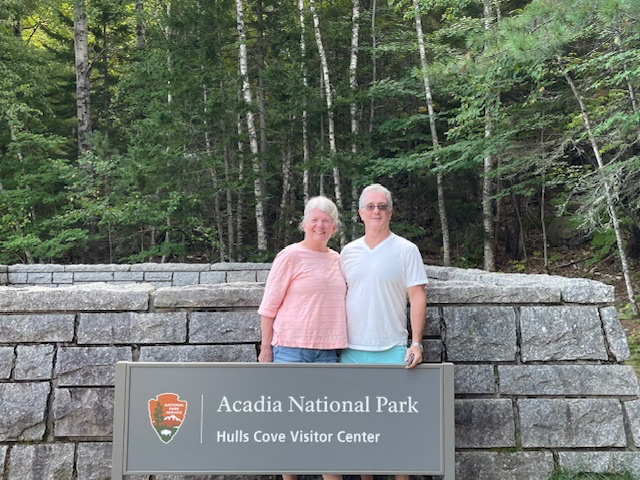
Acadia National Park
The only designated National Park in the Northeast, Acadia National Park, is another spectacular place. There are sweeping ocean views and granite. Mountains rise from the sea, while waves crash against ancient rock.

Long before Acadia became a national park, the rugged coastline and granite mountains of Mount Desert Island drew wealthy summer residents and by the late 1800s, Bar Harbor had become a fashionable retreat.
The driving force behind Acadia’s creation was George Dorr, the Father of Acadia National Park. He devoted much of his personal fortune to protesting the landscape. He worked to convince landowners to donate property and advocated for permanent federal protection.
In 1916, the area was first protected as Sieur De Monts National Monument, named for the French explorer who settled the region in the early 1600s. In 1919, Woodrow Wilson signed legislation to establish Lafayette National Park, making it the first national park east of the Mississippi River. In 1929, the park was renamed Acadia National Park, honoring the region’s earlier French roots.
What makes Acadia especially moving is that it exists because people who could have kept this extraordinary land for themselves chose instead to give it away.

Read More From Nancy
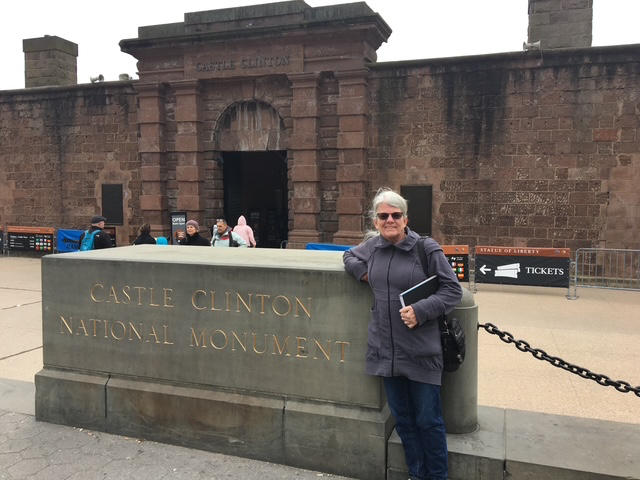
Castle Clinton National Monument
Castle Clinton sits at the southern tip of Manhattan in Battery Park, layered with nearly two centuries of American history in a circular stone structure. Originally constructed between 1808 and 18111, it was built as a coastal fort to defend New York Harbor during tensions leading up to the War of 1812. At that time, it sood […]
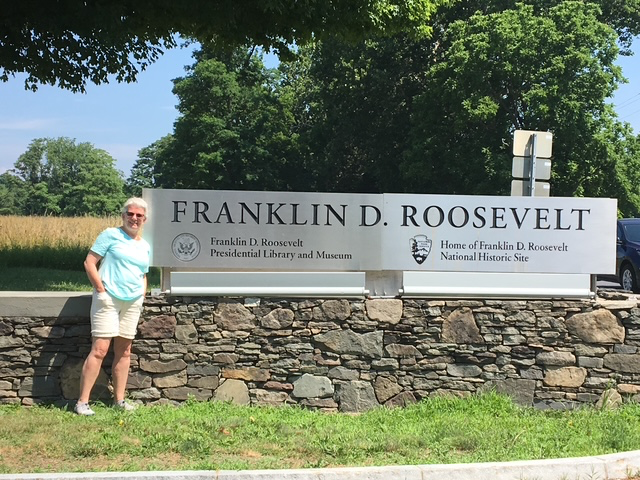
Home of Franklin Roosevelt
I have taken this drive to Hyde Park many times. Over these visits, I have watched the Franklin D. Roosevelt Presidential Library and Museum expand its exhibits, telling not only the story of Roosevelt as a president, but also of the young boy who grew up along the Hudson River. From childhood memorabilia and family history to the immense responsibility of […]
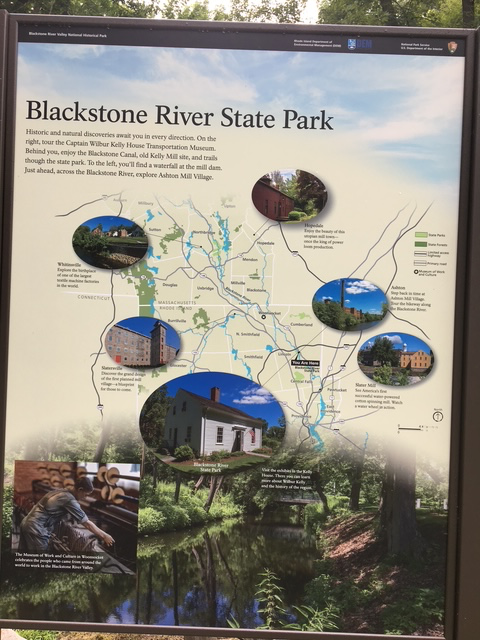
Blackstone River Valley National Historical Park
The Blackstone River Valley National Historical Park is a place where you can walk into the beginning of the American Industrial Revolution. Stretching between Worcester, Massachusetts, and Providence, Rhode Island, this valley tells the story of how a young nation transformed itself through innovation, water power and industry. At the heart of it all is the […]

