Mount Rainier National Park
Mount Rainier rises more than 14,000 feet above the surrounding forests and valleys. Mount Rainier dominates the horizon. Its snow-covered summit is visible from miles away.
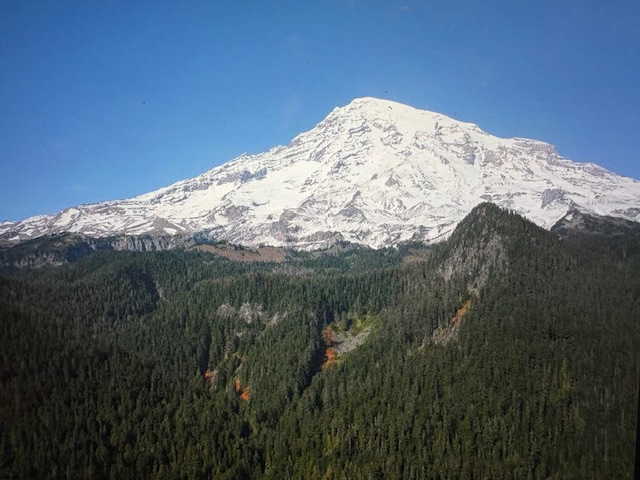
Mount Rainier is a massive stratovolcano and the most heavily glaciated peak in the contiguous United States. These glaciers feed rivers that shape western Washington and sustain ecosystems, agriculture and communities far beyond the park’s boundaries.
In 1899, Mount Rainier National Park was established, becoming the fifth national park in the United States during William McKinley’s presidency. At this time when much of the nation’s land was still viewed through the lens of resource use, Mount Rainier was preserved for its beauty and its role in shaping the natural world around it.
Unlike mountain ranges where peaks blend together, Rainier stands alone. It anchors the landscape, commanding attention and lingers in our memory. We were fortunate when we visited Mount Rainier National Park; the sky was blue and open, and the mountain revealed itself clearly, offering one of those rare moments when everything aligns.
Read More From Nancy
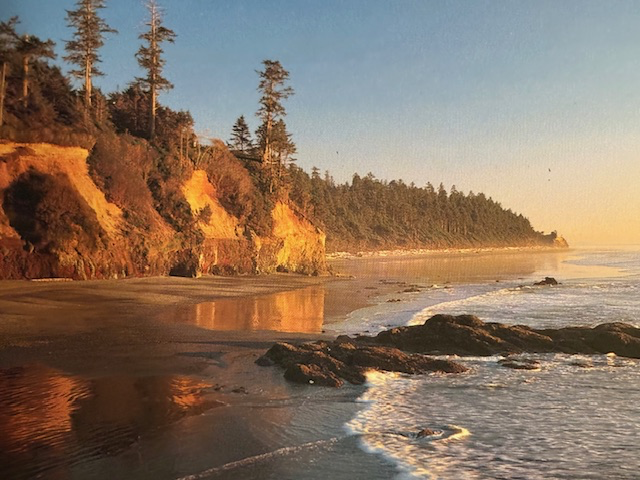
Olympic National Park
Olympic National Park is a place of incredible diversity: mountains, rainforest and rugged coastline, all within one park. My day here was oneI took on my own. At the visitor center, I remember learning about a predator in the park, and that gave me pause. It shifted my mindset that I wasn’t quite as confident […]
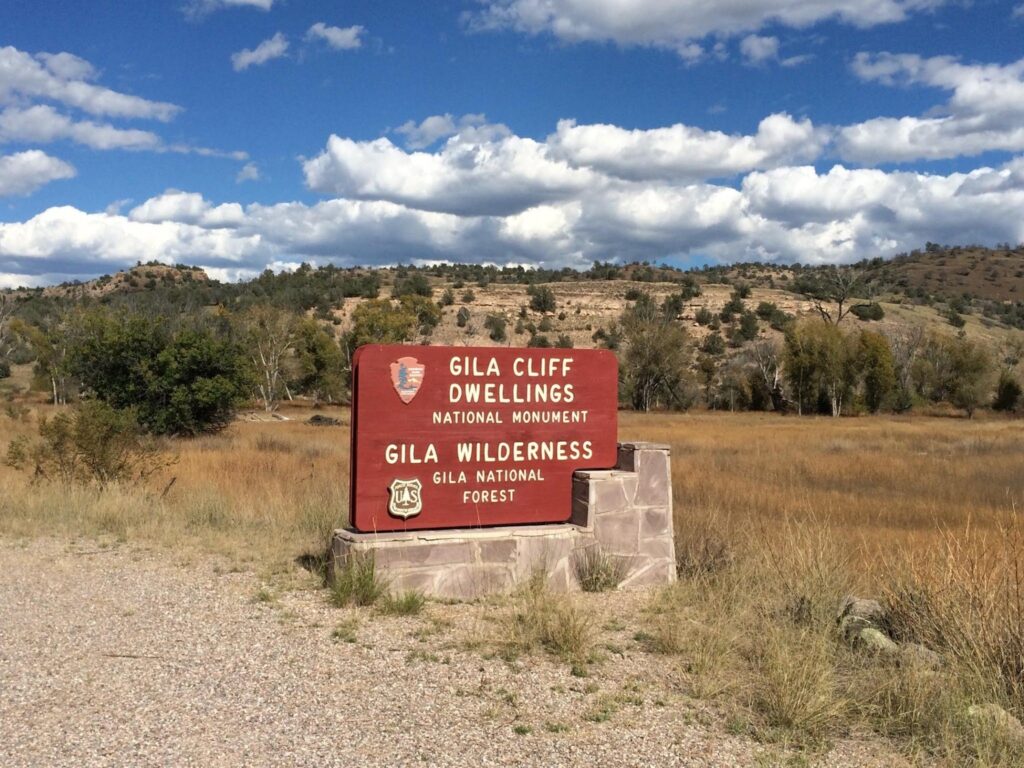
John Day Fossil Beds National Monument
I took this ride to eastern Oregon solo, and what I remember is the isolation. The roads stretched on without interruption, the landscape opening wider with every mile. This is a different part of Oregon, far removed from the coastal side that most people know. There is no ocean here, not dense forest. I stayed […]
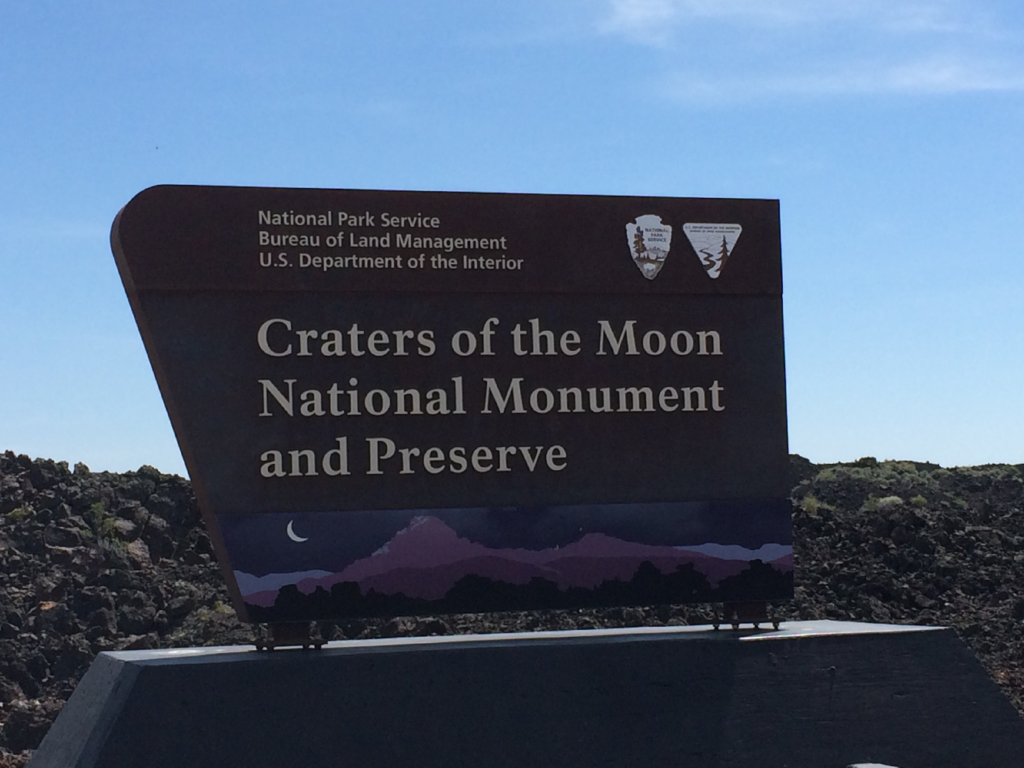
Craters of the Moon National Monument
Another solo driving tour took me through Idaho. There were early mornings on those roads when the light stretched across open land and I found myself wishing someone else could see what I was seeing. Some landscapes feel almost too vast to keep to yourself. I knew there was no way I could fully describe it. […]

