Sunset Crater Volcano National Monument
More than 900 years ago, the landscape north of what is now Flagstaff, Arizona, changed dramatically. The ground opened and lava began pouring across the land while volcanic ash and cinders were thrown high into the air. When the eruption ended, a new cinder cone rose above the surrounding terrain: Sunset Crater, the youngest volcano in the San Francisco volcanic field.
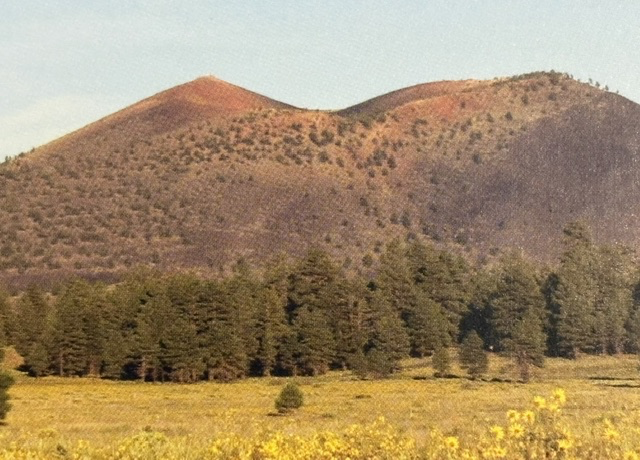
The eruption began around 1085 and continued intermittently for a period of years. Lava moved across the surrounding countryside, while cinders and ash covered a much larger area. The eruption transformed forests and fields that had been used by Indigenous people living throughout this part of the Colorado Plateau. Communities had to move away from the immediate area, although people later returned to farm nearby lands. The volcanic ash helped retain moisture in the soil, changing where and how crops could be grown in this dry environment.
The name Sunset Crater came much later. The upper slopes contain striking red and orange oxidized cinders that contrast with the darker volcanic rock below. In the right light, the colors reminded early visitors of a sunset glowing across the crater.
There is also an important preservation story here. In the late 1920s, a Hollywood production company proposed using explosives on the crater to create an avalanche for the movie Avalanche. Local citizens and scientists objected, helping build support for federal protection of the site. President Herbert Hoover established Sunset Crater National Monument in 1930. It was renamed Sunset Crater Volcano National Monument in 1990.

Read More From Nancy
Joshua Tree National Park
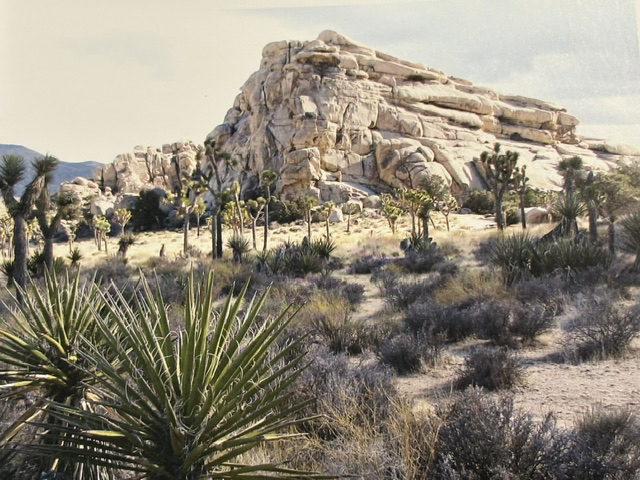
Our family traveled to Los Angeles, and while our daughter attended a yoga event, Marty and I made the drive east to Joshua Tree National Park to explore and hike. Here the landscape itself becomes the destination. Established as a national monument in 1936 and redesignated as a national park in 1994, Joshua Tree preserves […]
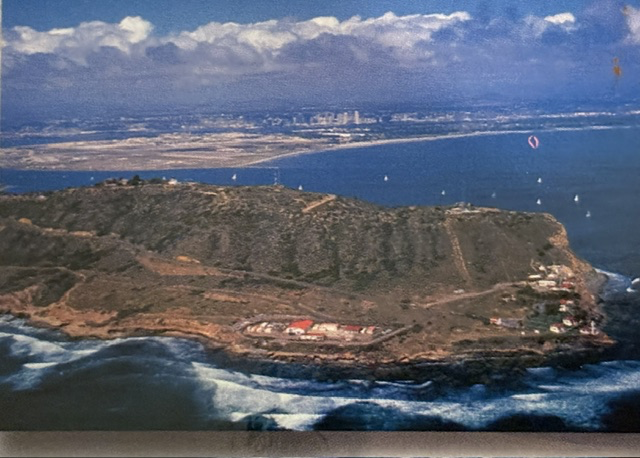
Cabrillo National Monument
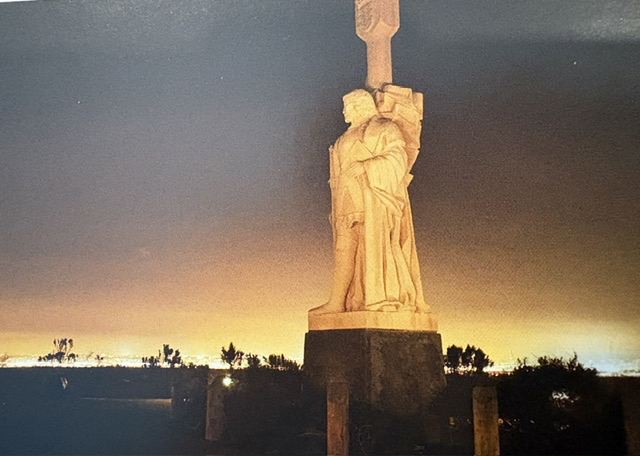
At the southern end of the Point Loma Peninsula, Cabrillo National Monument overlooks the Pacific Ocean, San Diego Bay, and the city beyond. The views alone make this a beautiful place to visit, but the location also preserves several important chapters in the history of San Diego and the West Coast. On September 28, 1542, […]
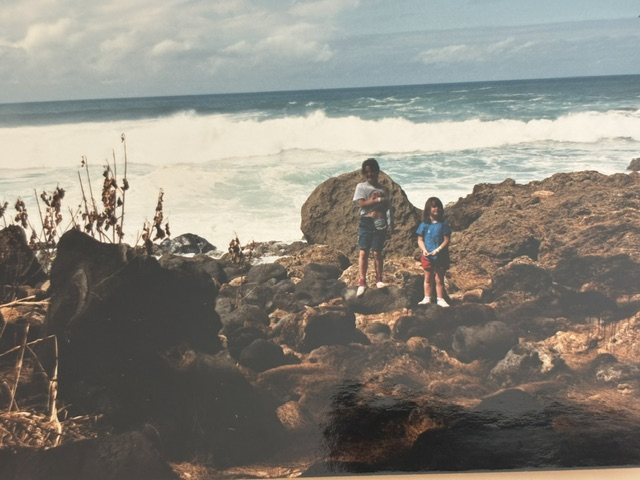
Hawai’i Volcanoes National Park
The Big Island of Hawaii is a place where the power of nature is impossible to ignore. Among this rugged shoreline near Hawaii Volcanoes National Park, the land feels raw and unfinished, shaped by fire, lava and the constant pounding of the Pacific Ocean. Here we are standing on black volcanic rocks with waves crashing against the shoreline. Hawai’i […]

