Lake Meredith National Recreation Area
Surrounded by the dry grasslands and windswept plains of the Texas Panhandle, the deep blue waters of Lake Meredith appear almost unexpected. Yet this striking contrast is exactly what makes the area so remarkable.
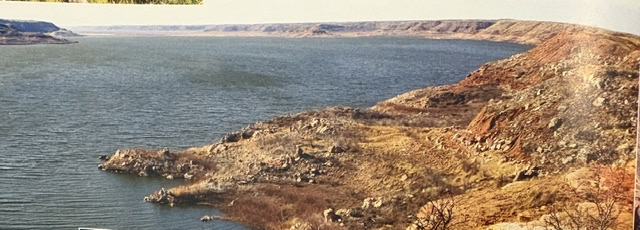
Lake Meredith National Recreation Area was established on November 28, 1965, following the completion of Sanford Dam on the Canadian River. The lake was created to provide a dependable water supply for communities throughout the Texas Panhandle while also preserving one of the region’s most dramatic landscapes for recreation and conservation.
Long before the reservoir existed, the Canadian River spent millions of years carving its way through layers of limestone, shale, and red sandstone. Unlike the relatively flat plains above, the river created a maze of steep canyons, rugged buttes, towering pinnacles, and colorful coves that reveal the geological history of the High Plains. Today, the lake fills many of these ancient canyons, producing a landscape that surprises visitors who expect Texas to be uniformly flat.
For thousands of years, Indigenous peoples traveled, hunted, and lived along the Canadian River. Later, Spanish explorers, traders, ranchers, and settlers all followed this natural corridor across the plains. The river served as both a source of life and a route of travel through an otherwise challenging environment.
Lake Meredith offers opportunities for boating, fishing, kayaking, hiking, camping, and wildlife observation, while the surrounding cliffs provide spectacular overlooks of the lake below. The striking combination of blue water, white limestone caprock, rugged buttes, wind-sculpted pinnacles, and red-brown coves creates remarkable landscapes in the National Park System.
Read More From Nancy
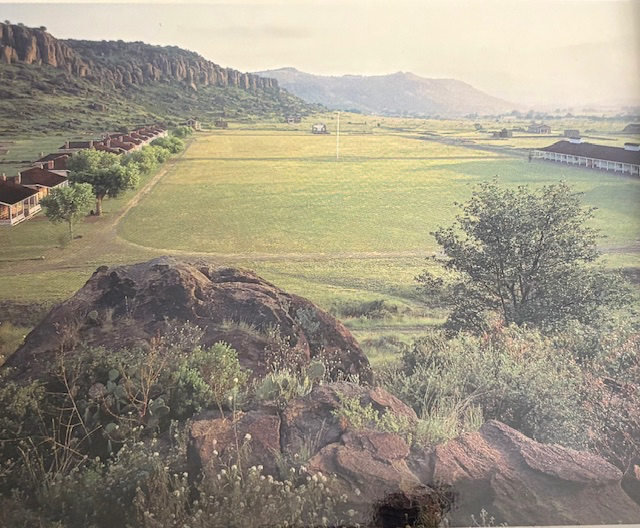
Fort Davis National Historic Site
I made my way to Fort Davis National Historic Site, set in the mountains of West Texas near Fort Davis. Rather than sitting on open plains, Fort Davis is tucked into a rugged landscape, surrounded by low mountains that both protect and isolate it. Established in 1854, the fort was built to safeguard the San Antonio/El […]
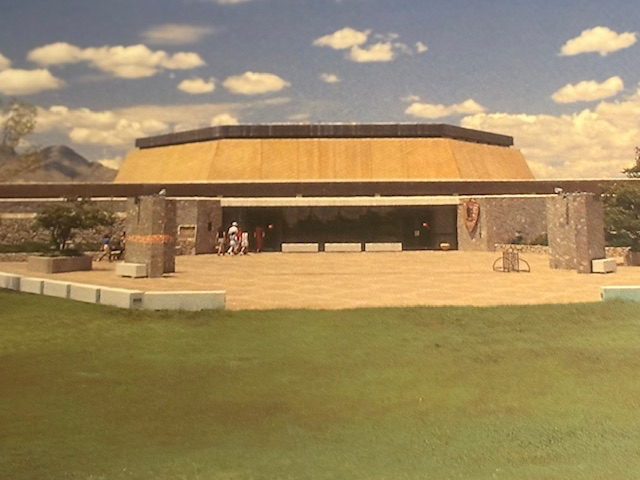
Chamizal National Memorial
The Chamizal National Memorial in El Paso is not a memorial of war or conflict, but one that marks the peaceful resolution of a long-standing international dispute. The land known as: “El Chamizal” became contested in the mid-1800s when the Rio Grande shifted its course, changing the boundary between the United States and Mexico. What […]
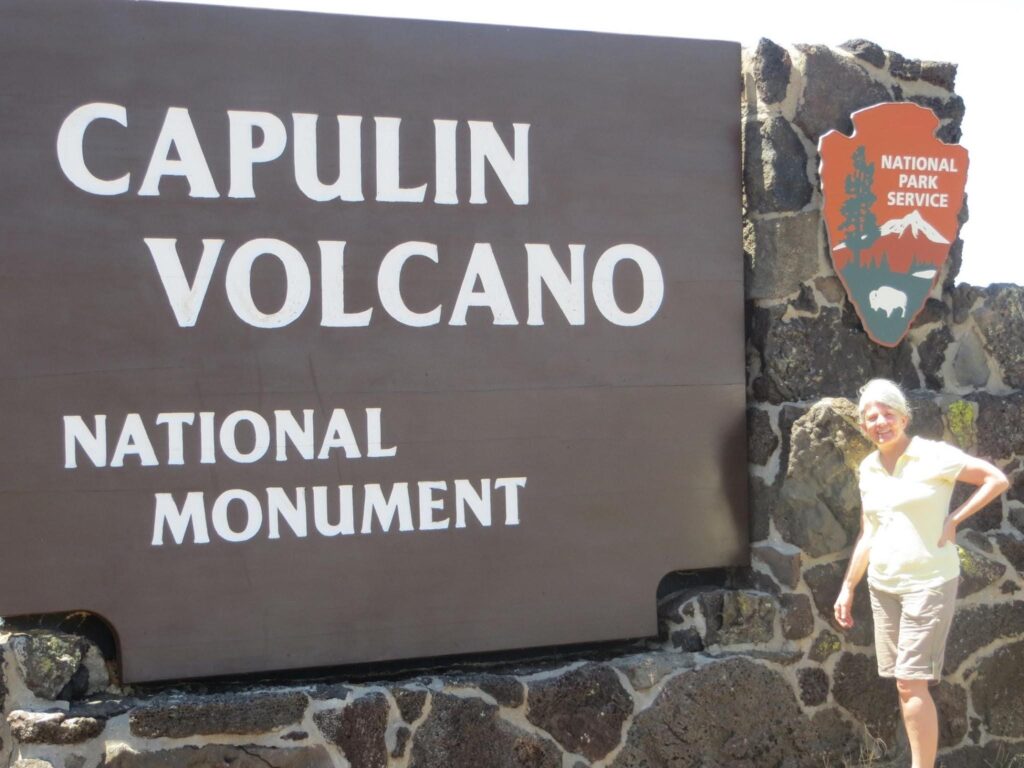
Capulin Volcano National Monument
I remember this special road trip with Erin as we explored the panhandle of Texas and drove into New Mexico. It was during on of her breaks from chiropractic school, and we flew into Texas and set out on a long stretch of road that carried us through a landscape shaped by drought. The land […]

