The Corning Museum of Glass
During our camping trip in upstate New York, we visited the Corning Museum of Glass, and once again found ourselves amazed by how one material can tell the story of human civilization.
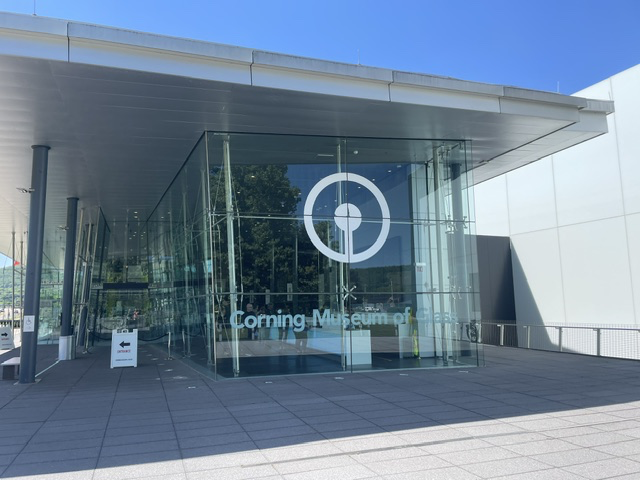
Founded in 1951 by Corning Glass Works to celebrate the company’s centennial, the Corning Museum of Glass has grown into the world’s premier museum devoted entirely to glass. Its collections span more than 3,500 years of history, from ancient Egyptian vessels and Roman glassware to contemporary works created by some of the world’s leading artists. Today, the museum houses more than 50,000 objects and serves as an international center for research, conservation, and the study of glass.
What makes the museum so remarkable is that it explores glass from every perspective. It is an art museum, showcasing breathtaking sculptures and installations. It is a history museum, preserving objects that illustrate how glass has shaped civilizations for thousands of years. It is also a science museum, demonstrating the role glass plays in medicine, communications, architecture, astronomy, and countless aspects of modern life.
The museum reflects the innovative spirit of the city of Corning. For more than 170 years, Corning Incorporated has helped shape the world through advances in glass technology. From the development of heat-resistant cookware and Pyrex to fiber-optic communications and the ultra-thin Gorilla Glass used in millions of smartphones and tablets, innovations developed here continue to influence everyday life around the globe.
As we walked through the galleries, I was reminded that glass has always connected beauty with function. Ancient craftsmen transformed sand into delicate vessels for daily use. Medieval artisans filled cathedrals with stained-glass windows that inspired worshippers through light and color. Modern engineers use glass to transmit information across oceans, improve medical care, and explore distant galaxies through powerful telescopes. Few materials have evolved so dramatically while remaining so essential.
Read More From Nancy
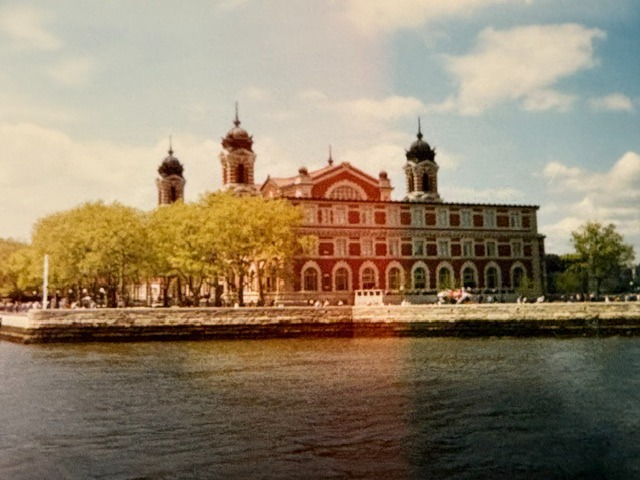
Ellis Island
From the water, Ellis Island’s Main Immigration Building presents an imposing façade of red brick, pale stone, arched windows, and towers. Inside, the Registry Room preserves the setting where millions of newcomers waited to learn whether they could enter the United States. Ellis Island opened as a federal immigration station in 1892. After a fire […]

Watkins Glen State Park
Although the gorge stretches less than two miles, Watkins Glen State Park contains one of the most extraordinary examples of nature’s ability to shape the landscape over immense periods of time. Established as New York’s first state park in 1906, Watkins Glen had already become a popular destination decades earlier. Visitors arrived by train, stagecoach, and […]
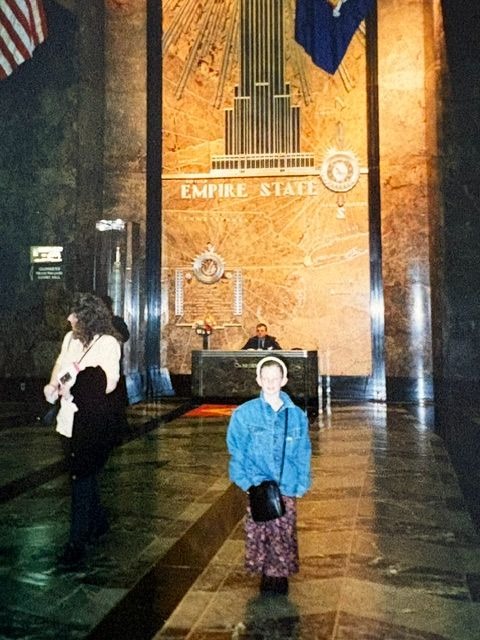
The Empire State Building Lobby
The Empire State Building’s architectural story begins at street level. Inside its Fifth Avenue entrance, polished marble, decorative metalwork, and strong geometric lines create a lobby designed to introduce visitors to one of New York’s most ambitious skyscrapers. Opened on May 1, 1931, the building reflected an era fascinated by height, speed, and technological progress. […]

