Mystic Seaport
Just a couple of hours from our home, Mystic Seaport became one of our favorite destinations during our homeschooling years. We wanted our daughters to experience history firsthand, and few places offered a better opportunity than this living history museum. Rather than reading about New England’s maritime past, they could climb aboard historic vessels, watch traditional craftsmen at work, explore a nineteenth-century village, and gain a much deeper appreciation for the people whose lives depended on the sea.
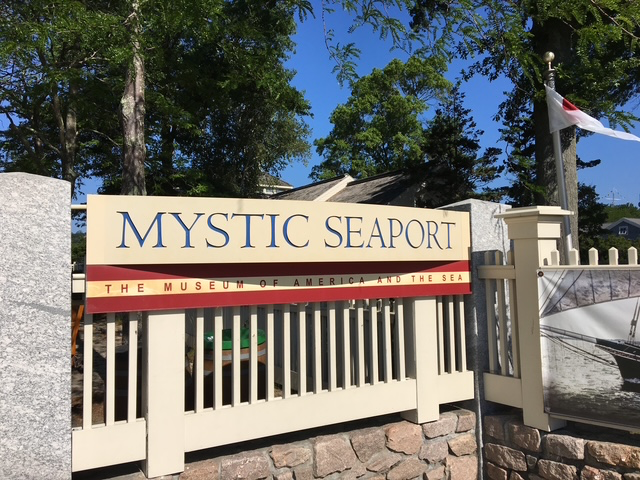
Founded in 1929, Mystic Seaport was created to preserve America’s maritime heritage at a time when the age of sail was rapidly disappearing. Today it is the largest maritime museum in the United States, encompassing more than nineteen acres along the Mystic River. The museum includes dozens of historic buildings that were either preserved on site or relocated from New England coastal communities, creating an authentic seafaring village complete with homes, a ship chandlery, cooperage, print shop, rope walk, blacksmith shop, and working shipyard. Skilled artisans continue to practice many of the traditional trades that once supported life in a busy seaport.
The heart of the museum is its extraordinary collection of historic vessels. Walking along the waterfront offers a chance to see the evolution of American shipbuilding, from small fishing craft to large merchant ships and whaling vessels. Among its most celebrated ships is the Charles W. Morgan, launched in 1841 and recognized as the last surviving wooden whaleship in the world. Preserved at Mystic Seaport since 1941, the Morgan provides an extraordinary connection to New England’s whaling industry and the maritime economy that helped shape the region.
The museum also tells the broader story of the sea’s influence on American history. Long before railroads and interstate highways, the ocean served as the nation’s primary transportation network. Ships carried immigrants, transported goods around the world, supported the fishing industry, and connected New England with Europe, the Caribbean, Asia, and ports throughout the Americas. Maritime commerce played a vital role in the growth of the American economy, and Mystic Seaport brings that history to life in a way that books alone cannot.
Many years after our visits with the girls, Erin and I decided to return. Walking the familiar streets and docks brought back memories of those earlier family trips, but it also reminded me how much there still was to discover. History has a way of revealing new lessons as we move through different stages of life. Places that once served as classrooms for our children become places where we continue our own learning.
Read More From Nancy
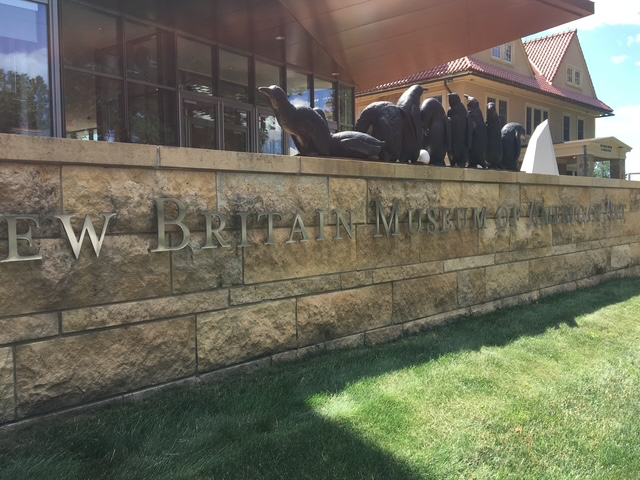
New Britain Museum of American Art
Over the years, I have driven to Connecticut numerous times to explore its remarkable collection of art museums and historic houses. Connecticut is particularly rich in places where art, architecture, and history come together, and these became trips I enjoyed making on my own. The New Britain Museum of American Art was one of those […]
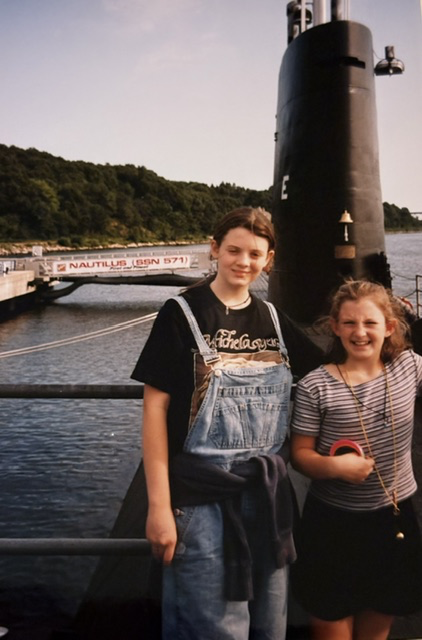
Submarine Force Museum
When our daughters were growing up, travel did not always mean going somewhere far from home. Some of our best adventures were day trips around New England, looking for places where we could experience history rather than simply read about it. One of those trips took us to Groton, Connecticut, to visit the Submarine Force […]
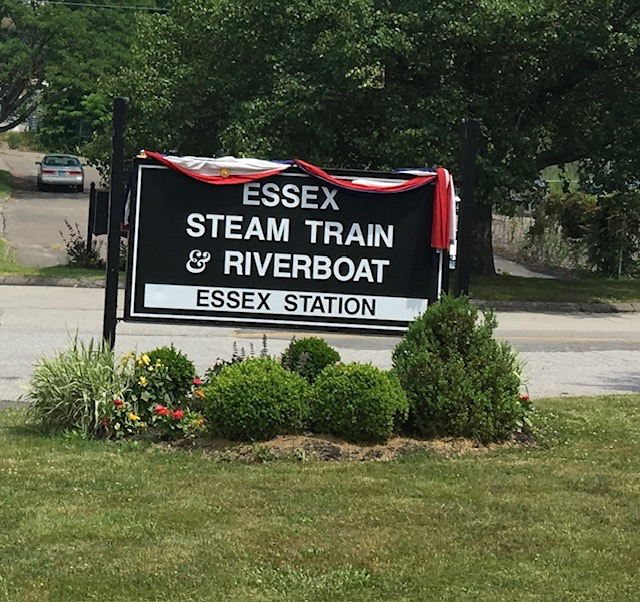
Essex Steam Train & Riverboat
Some experiences are less about arriving at a historic site and more about the journey itself. Our trip aboard the Essex Steam Train and Riverboat in Connecticut gave us the opportunity to experience two forms of transportation that once played an important role in moving people through New England. The journey begins at the historic […]

