Submarine Force Museum
When our daughters were growing up, travel did not always mean going somewhere far from home. Some of our best adventures were day trips around New England, looking for places where we could experience history rather than simply read about it. One of those trips took us to Groton, Connecticut, to visit the Submarine Force Museum and the USS Nautilus.
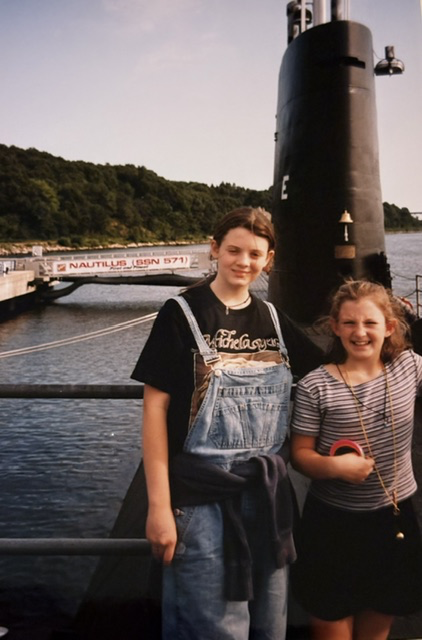
The submarine behind Emily and Erin in this photograph is the USS Nautilus, one of the most important submarines in American naval history. When it was launched in 1954, Nautilus became the world’s first operational nuclear-powered submarine. Nuclear propulsion dramatically changed what submarines could do. Unlike earlier submarines that needed to surface or snorkel regularly, Nautilus could remain submerged for extended periods and travel enormous distances underwater.
Then, in 1958, Nautilus accomplished something that had never been done before. On August 3, it became the first vessel to reach the geographic North Pole while traveling submerged beneath the Arctic ice. Its famous message announcing the achievement was wonderfully simple: “Nautilus 90 North”.
There is a reason this history is preserved in Groton. Connecticut has a long connection with submarine construction and the United States Navy. Nautilus was built nearby by General Dynamics Electric Boat, and the Naval Submarine Base New London is located along the Thames River in Groton. After more than two decades of service, Nautilus was decommissioned in 1980. Rather than being lost to history, it was preserved and returned to Groton. Today it is part of the Submarine Force Museum, where visitors can go aboard and walk through portions of the submarine.
Looking at this photograph now, I see Emily and Erin standing in front of the sail of Nautilus, but I also see another one of those days when we simply went exploring together. We didn’t have to travel very far. We crossed from Massachusetts into Connecticut and found ourselves standing beside a vessel that had helped change naval history and had once traveled beneath the Arctic ice to the North Pole.
That was so much of what our family explorations were about. We wanted our daughters to see that history was not confined to books or classrooms. It was all around us, in houses, museums, battlefields, ships, monuments and just about everywhere.
Read More From Nancy
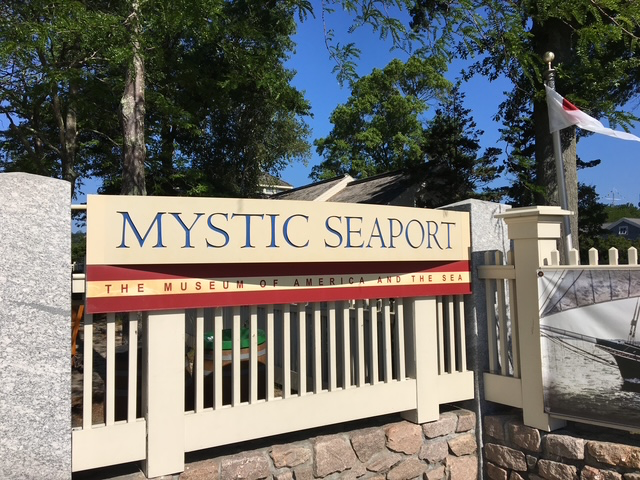
Mystic Seaport
Just a couple of hours from our home, Mystic Seaport became one of our favorite destinations during our homeschooling years. We wanted our daughters to experience history firsthand, and few places offered a better opportunity than this living history museum. Rather than reading about New England’s maritime past, they could climb aboard historic vessels, watch […]
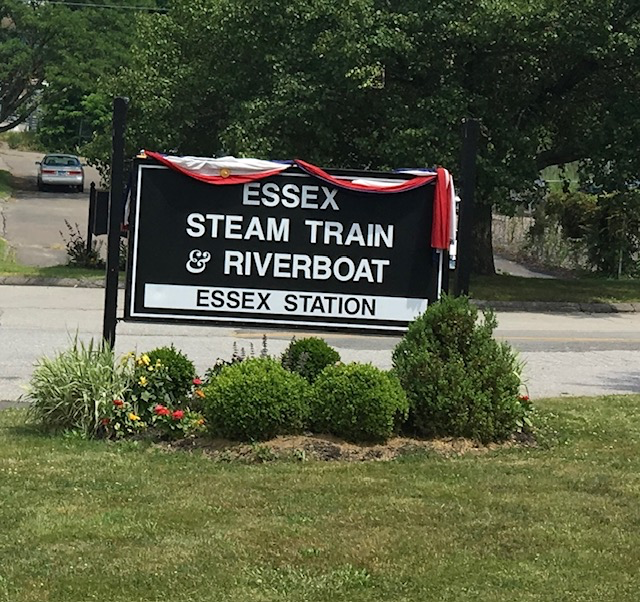
Essex Steam Train & Riverboat
Some experiences are less about arriving at a historic site and more about the journey itself. Our trip aboard the Essex Steam Train and Riverboat in Connecticut gave us the opportunity to experience two forms of transportation that once played an important role in moving people through New England. The journey begins at the historic […]
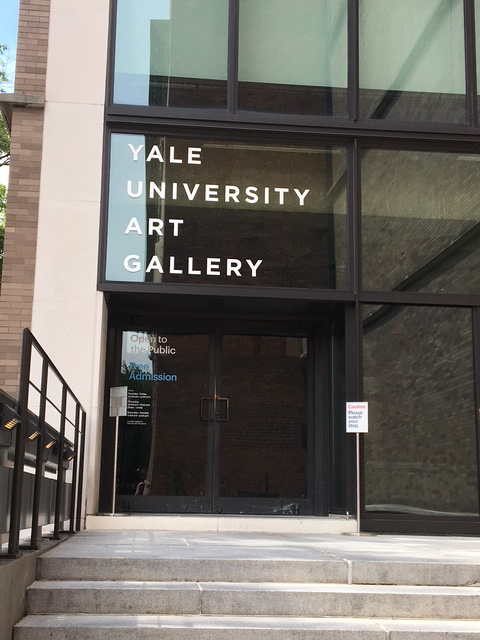
Yale University Art Gallery
The Connecticut Art Trail gave me a reason to travel throughout the state in search of art and history. Its participating locations included large museums, smaller galleries, artists’ studios, and historic houses. Each stop offered something different, turning the trail into more than a tour of art collections. It became a way to explore Connecticut […]

