Dorothy Quincy Homestead
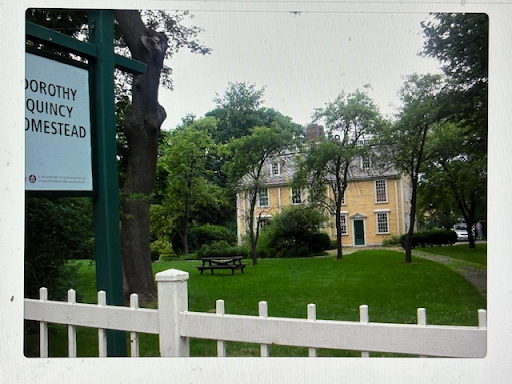
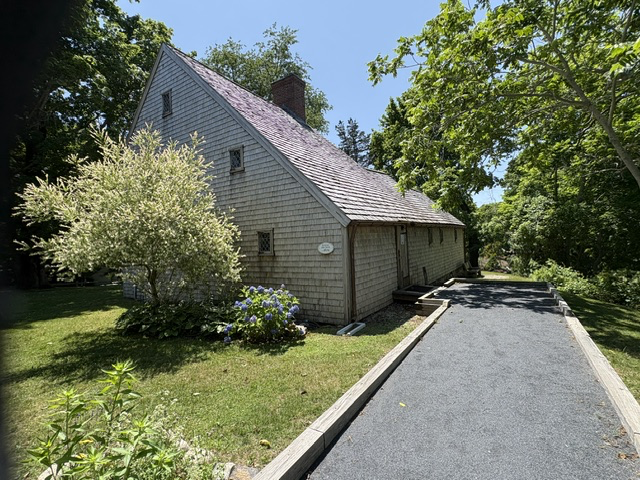
Visiting the Dorothy Quincy Homestead in Quincy, Massachusetts was another chance to step back into the life of one of colonial America’s most prominent families. This landmark dates back to 1686, when it was built by Edmund Quincy on land settled by the family in the 1630s.
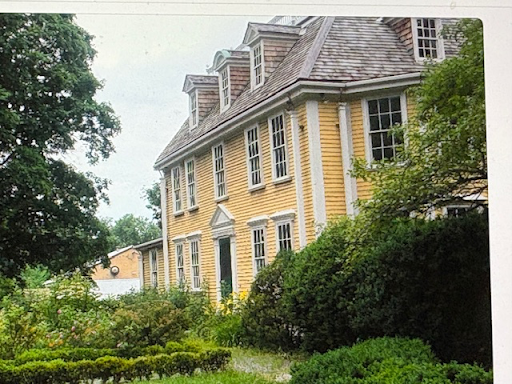
The homestead was the childhood home of Dorothy Quincy Hancock Scott, later the wife of John Hancock, president of the Second Continental Congress and the first signer of the Declaration of Independence.
The homestead’s architecture reflects the evolution of American design over three centuries from its colonial beginnings through Georgian details. Inside there are original furnishings and decorative arts.
The house was not just a family residence but a gathering place for influential patriots, including figures such as John Adams and other leaders of the Revolution. This homestead is where the personal and national stories of early America intersect and we see the connection for a revolution, a family legacy and the shaping of a new nation.
Read More From Nancy
John Ward House
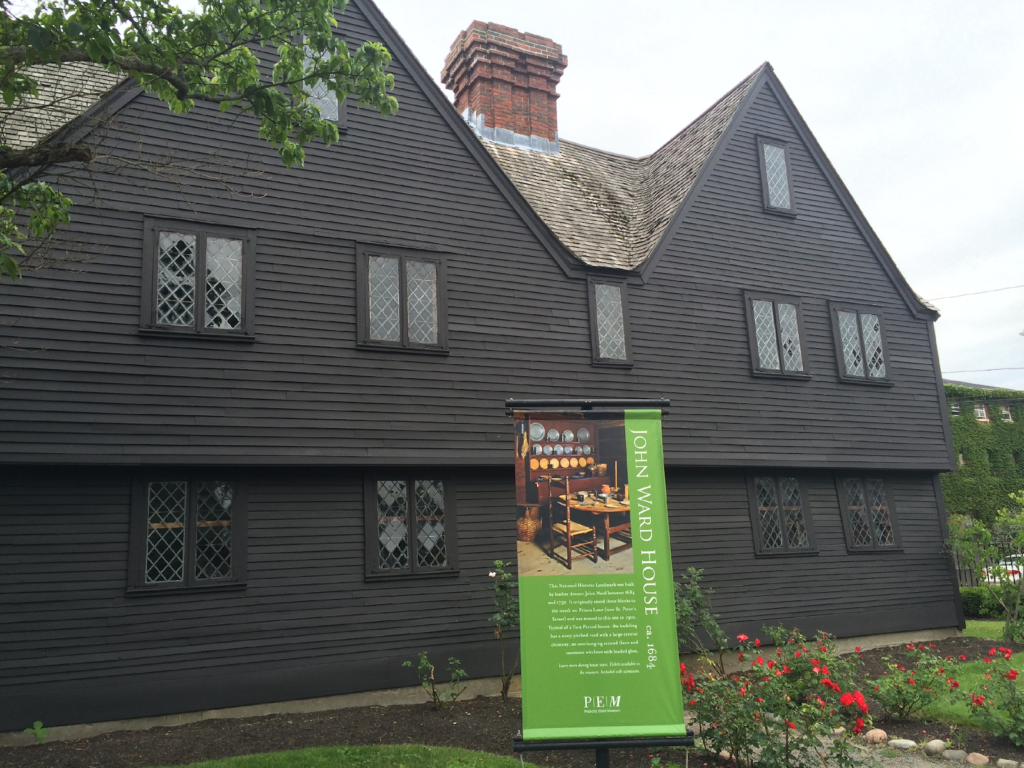
The John Ward House in Salem, Massachusetts, stands as one of the finest surviving examples of 17th century New England architecture. Built in 1684 for John Ward, a successful currier, the house reflects not only skilled craftsmanship but also the growing prosperity of Salem in the late 1600s. By the time this house was constructed, […]
The Stanwood House
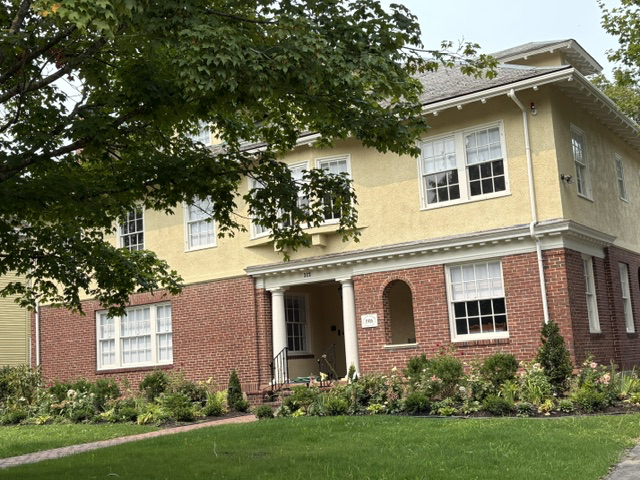
Standing at 323 Washington Street in Wellesley Hills, the Stanwood House has been part of this neighborhood for more than a century. Today it is the home of the Wellesley Historical Society and the Wellesley History & Exhibit Center, but the building began as both the family home and medical office of one of Wellesley’s longtime physicians. […]
The Bartlett–Russell–Hedge House
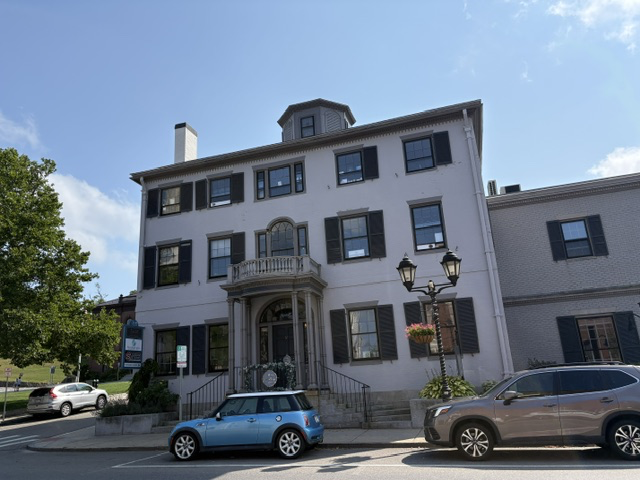
Standing prominently on Court Street, the Bartlett–Russell–Hedge House is one of Plymouth’s finest examples of Federal-style architecture. Its symmetrical façade, Palladian window, entrance balcony, and rooftop cupola distinguish it from the surrounding commercial buildings. The house was constructed in 1803 for Joseph Bartlett, a Plymouth Sea captain. Its design has been attributed to Charles Bulfinch, […]

