The Wing Fort House
Along Spring Hill Road in East Sandwich stands a house whose simple exterior hides an extraordinary history. The Wing Fort House dates to about 1641, placing its beginnings within the first years of Sandwich itself. What makes it especially unusual is the continuity of the family connected with it: generations of the Wing family occupied the house for roughly three centuries.
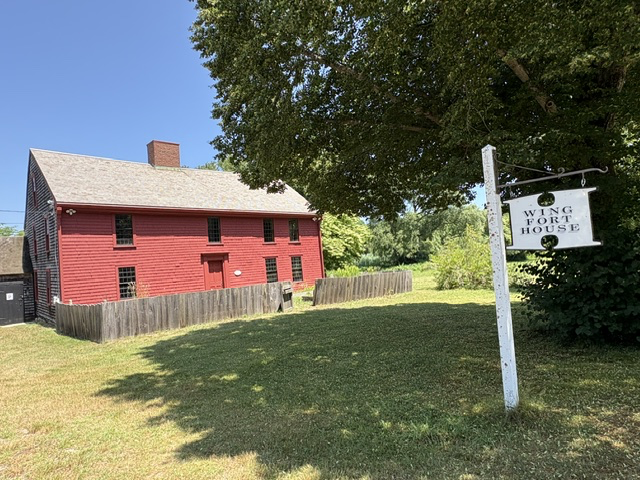
The earliest portion began as a small, single-cell dwelling. In 1646 it became the home of Stephen Wing, one of Sandwich’s early settlers. Stephen was the son of the Reverend John Wing and Deborah Bachelor. The family had come to the region during the first generation of European settlement on Cape Cod, and Stephen established his own household here.
The name “Fort House” adds another layer to the story. Local tradition held that the building had once served as a place of refuge for settlers during times when they feared attack by Native people. The oldest section of the structure contains unusually substantial construction, including a double exterior wall, which may have helped give rise to that tradition. However, the evidence that the house functioned as a fort is not conclusive, so the story is best understood as a longstanding local tradition rather than established fact.
What we do know is that this was a living house rather than a building frozen in one moment of history. As the Wing family grew, descendants enlarged and altered it. The original small dwelling gradually became the two-story colonial house we see today. Each generation left something behind, making the building a record of changing family needs and tastes over centuries.
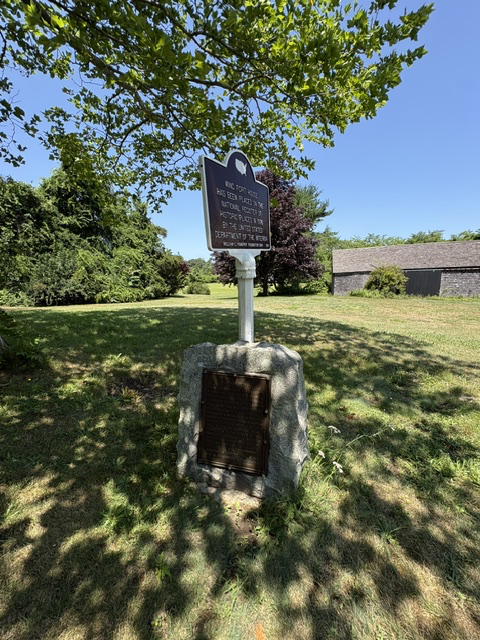
Perhaps the most remarkable part of the story is how long that continued. Wing descendants remained here until the twentieth century. The last family resident, Cora Wing, transferred the property to the Wing Family of America in the 1940s, ending approximately three centuries of direct family occupancy while beginning a new chapter devoted to preservation.
When the family organization acquired the property, the house still lacked electricity, modern heating and indoor plumbing. Those modern conveniences were deliberately not introduced, allowing the building to retain something of the physical character that had defined life here for generations. Much of the house is furnished with Wing family antiques, so the objects inside are connected to the same extended family whose history the building preserves.
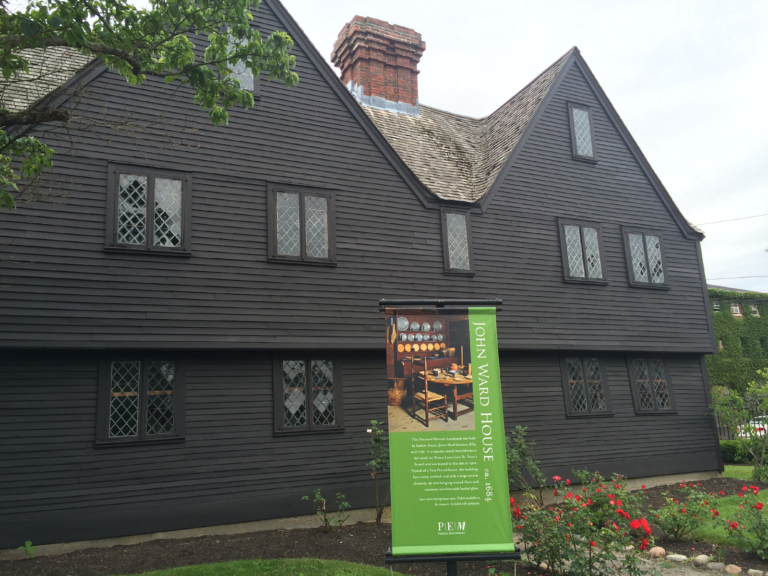
Read More From Nancy
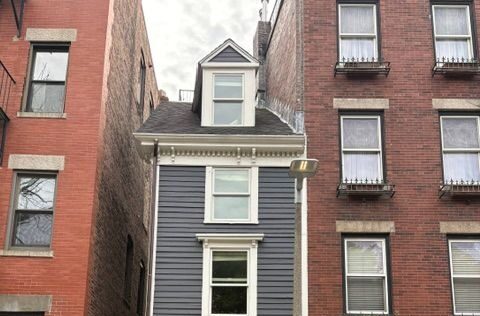
The Skinny House
Across from Copp’s Hill Burying Ground, a remarkably narrow wooden house stands among the larger brick buildings of Boston’s North End. At 44 Hull Street, the Skinny House rises four stories while measuring only about ten feet across its street-facing exterior. Its entrance is tucked into the alley beside it, allowing the slender front to […]
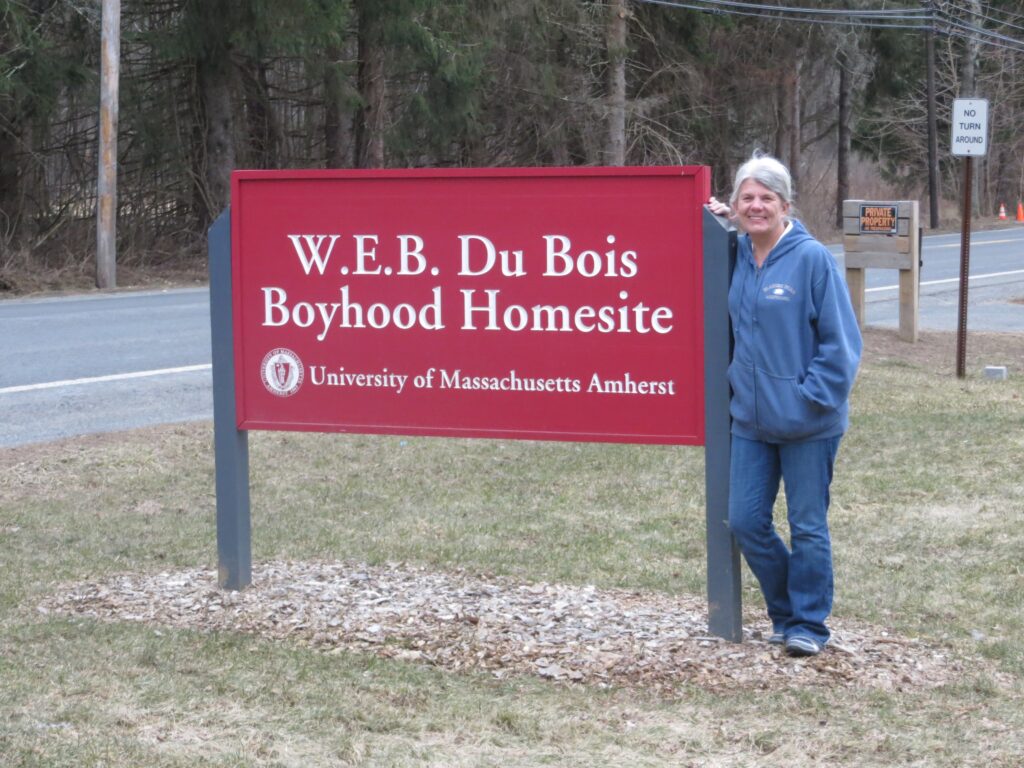
W.E.B. Du Bois Boyhood Homesite
While exploring the Berkshires, we made a stop at the W. E. B. Du Bois Boyhood Homesite near Great Barrington, Massachusetts. Although little remains of the house itself, the site marks the place where one of America’s most important intellectuals, writers, and civil rights leaders spent his early years. Standing by the sign, it was remarkable to […]
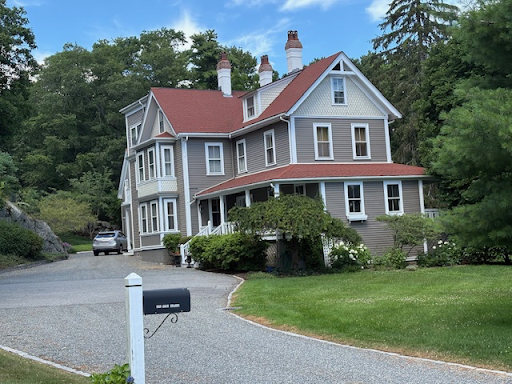
Oliver Wendell Holmes
Oliver Wendell Holmes, Jr., remains one of the towering figures in American legal history, whose ideas continue to shape constitutional law and the way we think about freedom and the role of courts. His life spanned history from the Civil War through the Great Depression with nearly 30 years on the U.S. Supreme Court. Holmes […]

