Hoxie House
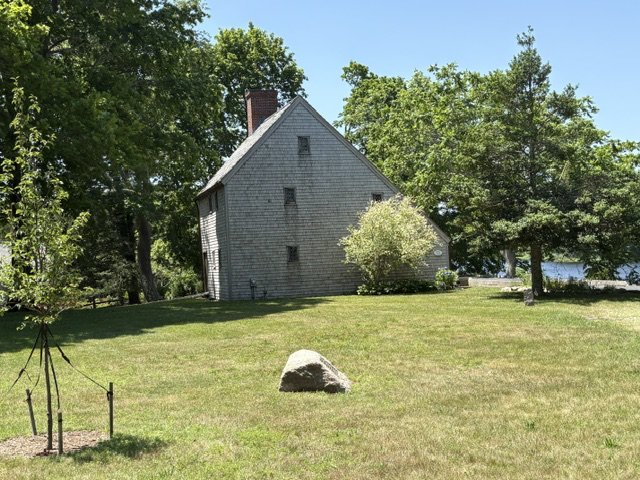
Overlooking Shawme Pond in Sandwich stands one of the oldest surviving houses on Cape Cod. Today it is known as the Hoxie House, but its earlier story belongs to the Reverend John Smith, Sandwich’s second minister, who occupied the house around 1675 with his family.
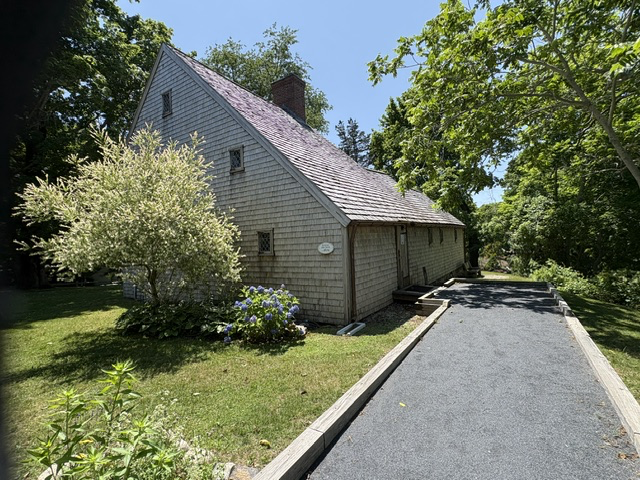
The simple saltbox appearance is exactly what makes the house so compelling. Built during the first generations of European settlement on Cape Cod, it represents a very different way of life. The Smith household was large—John and his wife Susanna had thirteen children—and a house such as this was not merely a residence. It was the center of family life in a community where nearly everything required physical labor, from preparing food and heating the rooms to producing clothing and maintaining the property.
But John Smith’s story becomes much more interesting when placed within the religious struggles occurring in Sandwich. Quakers had begun arriving in the community during the 1650s. Plymouth Colony authorities attempted to suppress them through fines and other punishments, yet Sandwich developed a particularly strong Quaker community. The controversy was so significant that the town had gone nearly twenty years without a settled minister before John Smith was chosen in 1673.
Smith accepted the position with a remarkable condition: he would not be required to take action against the Quakers. The Sandwich Historical Commission records that he insisted he would never be asked to “lift a hand” against them. In seventeenth-century New England, when religious conformity could be enforced by civil authority, that was a meaningful position.
Smith served the Sandwich church until 1689 and represented the community in the colonial legislature. His association with religious tolerance gives this small house a significance that extends well beyond its architecture. It stood within a community wrestling with questions about who could worship freely and how much authority government and established churches should exercise over individual belief.
The house later became associated with Abraham Hoxie, a retired Sandwich whaling captain who acquired it in the nineteenth century, which explains the name by which it is known today. Remarkably, people continued living here without electricity, indoor plumbing or central heating into the early 1950s. The Town of Sandwich eventually acquired the property and restored it in 1959.
Read More From Nancy
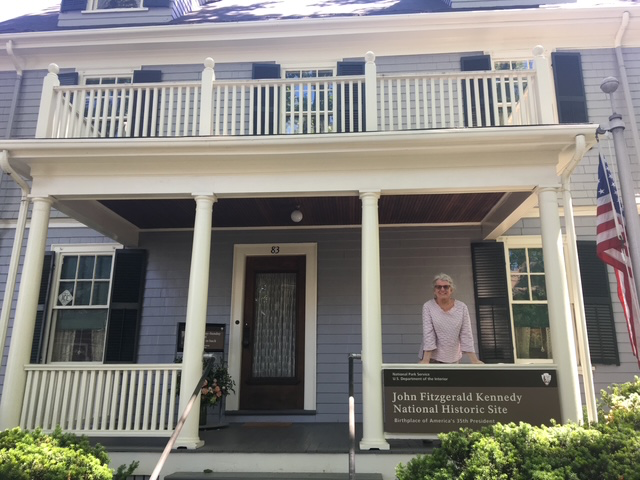
John F. Kennedy’s Birthplace
The John Fitzgerald Kennedy National Historic Site in Brookline, Massachusetts offers the opportunity to step into the earliest chapters of that life that would shape world history. Touring this modest home, you are greeted by the recorded voice of Rose Kennedy. She calmly recounts the rhythms and rituals of family life. Through her reflections, the house […]
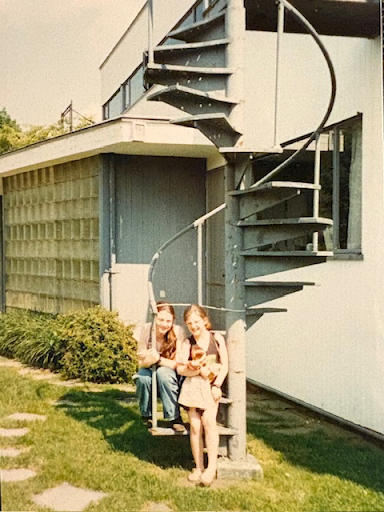
Gropius House
We have visited the Gropius House in Lincoln several times, and often the tours were international. More than once, we found ourselves alongside visitors from Europe, particularly Germany, drawn here because of the reputation of the man who designed and lived in this remarkable home. The house was built in 1938 by Walter Gropius, one of […]
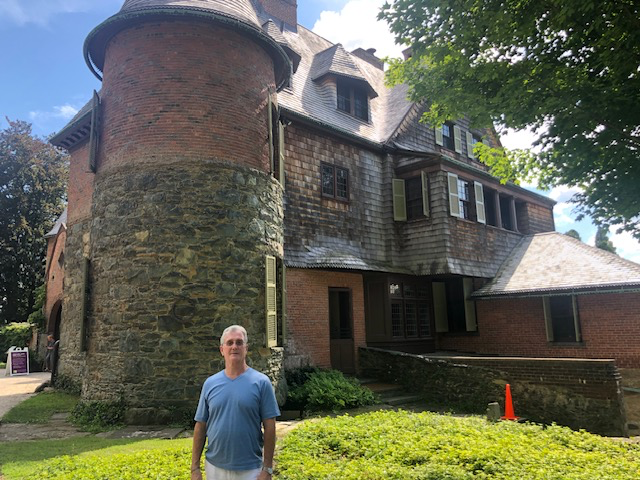
Naumkeag
While visiting the Berkshires, Marty and I made our way to one of the most memorable homes in Stockbridge, the remarkable estate known as Naumkeag. Set high on a hill, the house is a mix of brick, stone and shingle, and along with its rounded turret, gives it a European feel. Naumkeag is a product of […]

