The Three Sisters of Glencoe
Driving through Glencoe, there are landscapes that make you want to stop simply because of their scale. The Three Sisters of Glencoe are among them. Three enormous ridges rising steeply from the southern side of the glen, their slopes changing constantly as clouds and sunlight move across the mountains.
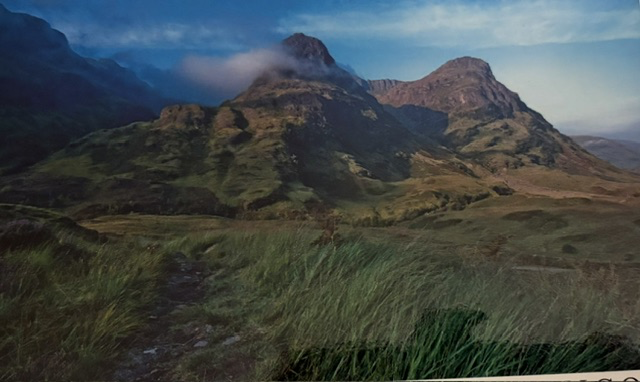
The Three Sisters are not three separate mountains, as their name might suggest. They are three great ridges extending from the Bidean nam Bian massif: Beinn Fhada, Gearr Aonach and Aonach Dubh. Bidean nam Bian rises to 1,150 meters and is the highest mountain in the Glencoe area.
Their dramatic appearance is the result of an extraordinarily long geological story. Glencoe lies within the remains of an ancient volcanic complex formed roughly 420 million years ago. Volcanic activity and the collapse of an ancient caldera began shaping the landscape, while much later glaciers carved the steep-sided glen and dramatic ridges we see today. The exposed rocks here have become particularly important to geologists because they preserve evidence of the ancient Glencoe volcano and its collapse.
Between the Sisters are deep valleys, and one of them contains another famous part of Glencoe’s story. Between Gearr Aonach and Beinn Fhada lies Coire Gabhail, commonly called the Lost Valley or Hidden Valley. Its broad upper valley is concealed from the main glen below, creating a natural hiding place traditionally associated with the MacDonalds of Glencoe, who are said to have hidden cattle there.
The landscape also carries a much darker human history. Glencoe is forever associated with the massacre of members of the MacDonald clan in February 1692, when government soldiers who had been receiving the clan’s hospitality turned upon their hosts. The story adds another layer to a landscape that was already ancient long before people began recording its history. Standing before them, we were looking at a landscape shaped first by volcanoes, then by ice, and finally by centuries of human history.
Read More From Nancy
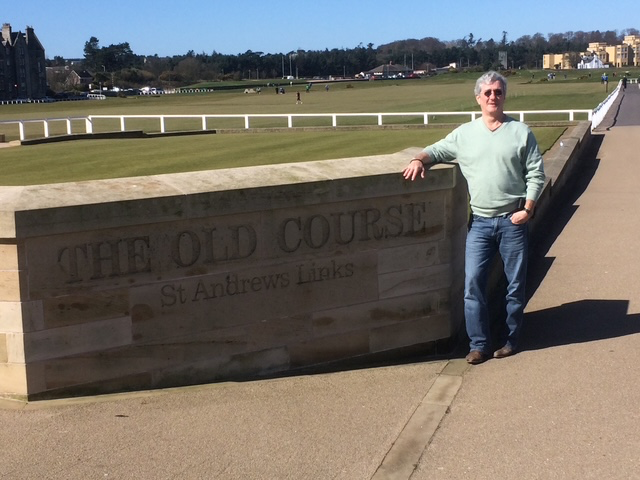
The Old Course at St Andrews
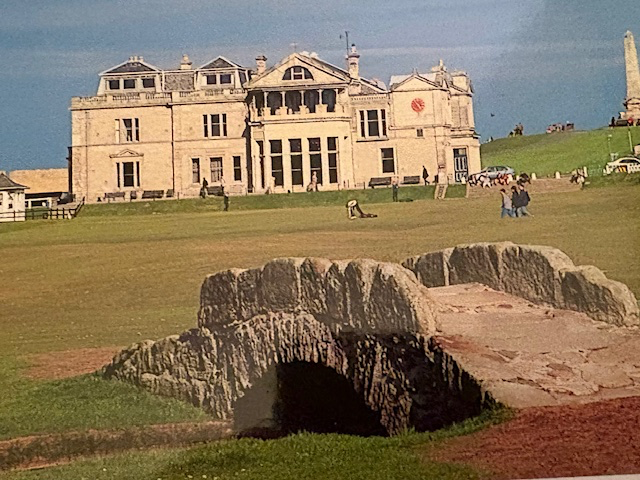
There are some places you visit because they are on your list, and there are others you visit because they are on someone else’s. This stop was definitely for Marty. I’ve never been a golfer, so I probably could have skipped this photograph altogether. But Marty has always enjoyed the game, and I knew that standing beside […]
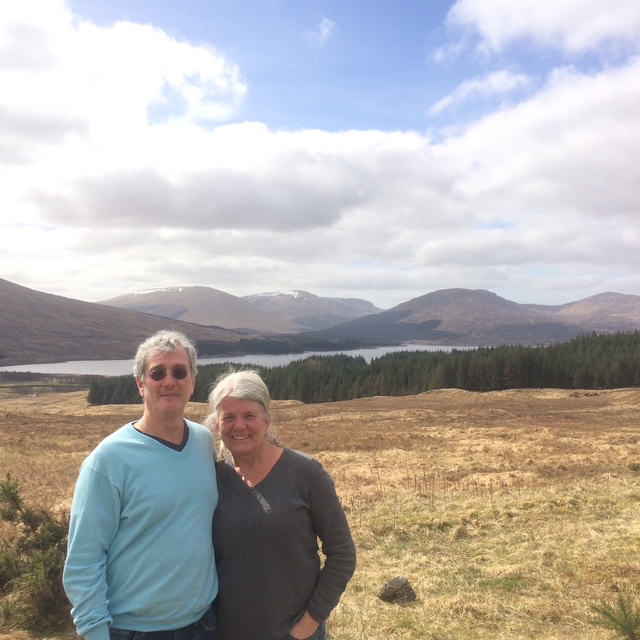
The Scottish Highlands
One of the highlights of our journey through Scotland was leaving Edinburgh behind and traveling north into the Highlands. As the cities and villages gave way to open moorland, shimmering lochs, and distant mountains, it became clear why this region is considered the heart of Scotland. Our tour followed one of Scotland’s classic Highland routes, […]
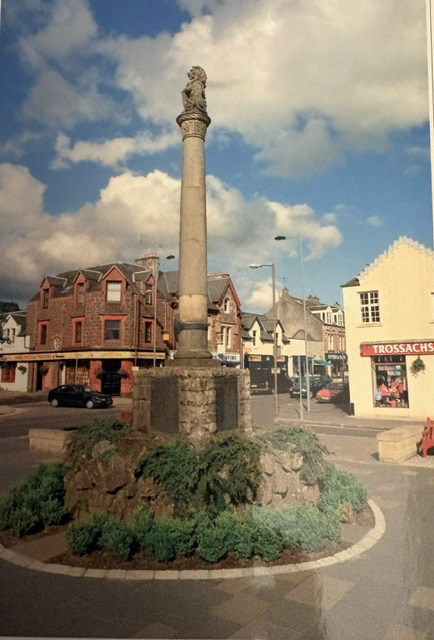
Ancaster Square War Memorial
During our travels through Scotland, we stopped in Callander, a small Highland town often described as a gateway to the Trossachs. In the center of town, in Ancaster Square, this tall stone column immediately caught my attention. At first glance it resembles one of the old market crosses found throughout Scotland, but it is actually […]

