Queen of Scots’ Bed Chamber
When we visited the Palace of Holyroodhouse in Edinburgh, one of the rooms I most wanted to understand was the bedchamber of Mary, Queen of Scots. It is one thing to know Mary’s story from history; it is quite another to climb the narrow staircase into the oldest part of the palace and stand within the rooms where some of the most dramatic events of her life actually unfolded.
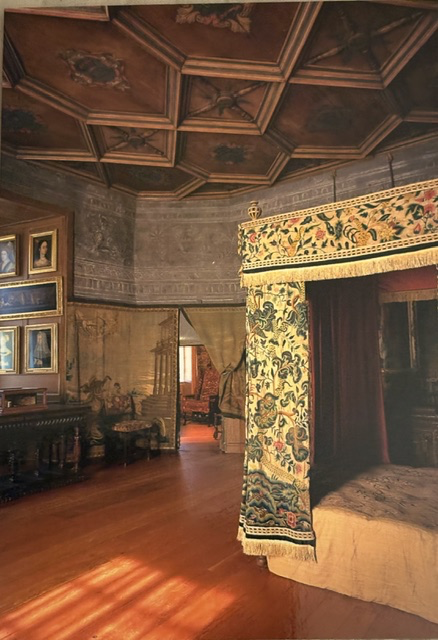
Mary lived at Holyroodhouse from 1561 to 1567, after returning to Scotland from France following the death of her first husband, Francis II. Her apartments were located high in the northwest tower built by her father, James V. The rooms retain important architectural features from Mary’s time, including the extraordinary decorative oak ceiling visible in this photograph. The photograph looks from Mary’s Bedchamber toward the tiny Supper Room beyond. That small room became the setting for one of the most notorious political murders of the 16th century.
By 1566, Mary’s marriage to her second husband, Henry Stuart, Lord Darnley, had deteriorated badly. Darnley was ambitious and increasingly jealous of David Rizzio, Mary’s Italian secretary and close confidant. Rizzio had originally come to Scotland with the ambassador from Savoy and entered Mary’s service as a musician before becoming her secretary. On the evening of March 9, 1566, the pregnant Mary was having supper in that small room with Rizzio and several companions. What happened next is made even more remarkable by the architecture of the palace.
Darnley had access to a private staircase connecting his apartments below with Mary’s chambers above. He and the conspirators used that staircase to enter Mary’s Bedchamber unexpectedly. From there, they burst into the adjoining Supper Room. Rizzio attempted to remain near Mary, but the armed men seized him, dragged him through the Bedchamber and into the Outer Chamber, where he was stabbed dozens of times.
That secret or private staircase is one of those architectural details that makes the history suddenly understandable. These weren’t events taking place across a vast palace. Mary’s private rooms were closely interconnected. A staircase intended to provide private movement between royal apartments instead provided Darnley and his accomplices with a direct route into the Queen’s most personal space.
Mary herself was initially held prisoner after the murder, but she eventually escaped from Holyroodhouse. Within months she gave birth to her son James, the future James VI of Scotland and James I of England. Darnley himself was murdered less than a year after Rizzio, and the political crisis surrounding Mary intensified until she was forced to abdicate in 1567.
There is another fascinating layer to these rooms. They became a tourist attraction remarkably early. By the 18th century, visitors were already coming to Holyroodhouse specifically to see Mary’s apartments and hear the story of Rizzio’s murder. Guides even pointed to marks on the floor of the Outer Chamber said to be Rizzio’s blood. The Royal Collection notes that this tradition has persisted for centuries, although the supposed bloodstains should be understood as part of the long history and legend surrounding the rooms rather than unquestioned physical evidence from 1566.
That is one of the reasons I enjoy visiting historic places rather than only reading about them. At Holyroodhouse, Mary’s story is no longer an abstract sequence of queens, marriages, conspiracies and dates. You can stand in her bedchamber, look through the doorway into the tiny room where she was eating supper, and understand how men came up a private staircase and suddenly entered her world. More than four and a half centuries later, those rooms are still there and they allow us to stand remarkably close to the history that happened within them.
Read More From Nancy
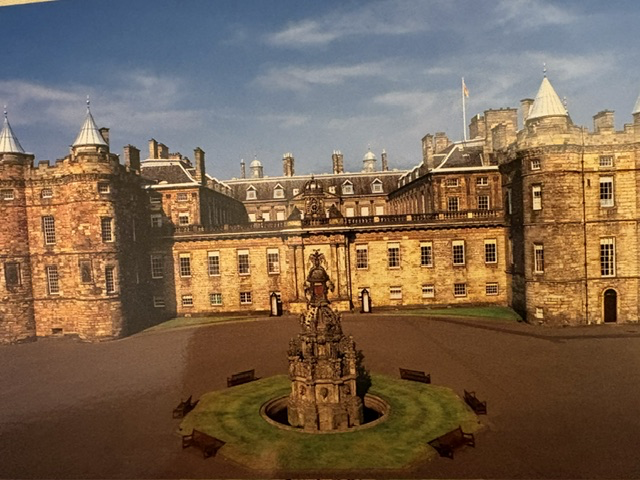
Palace of Holyroodhouse
This photograph is of the historic Palace of Holyroodhouse, the official royal residence of the British monarch in Scotland. It is located at the end of the famous Royal Mile in Edinburgh and is directly connected to centuries of Scottish history, monarchy and national identity. Unlike some royal palaces that are distant, Holyrood carries the stories of conflict, […]
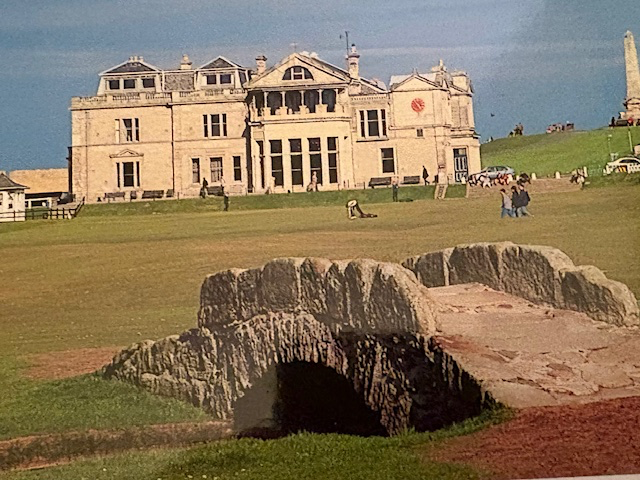
Swilcan Bridge
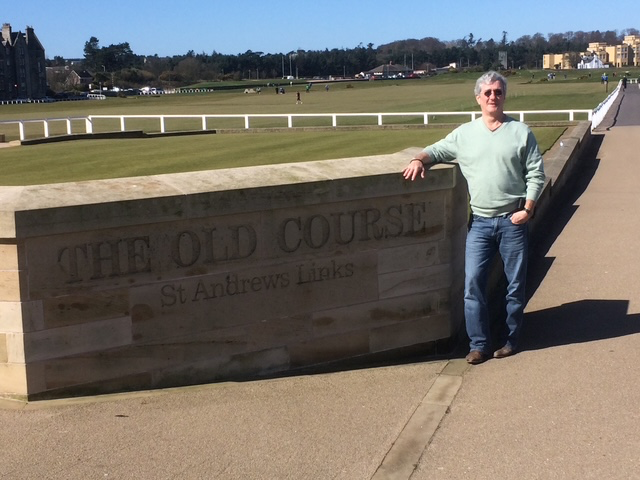
Marty and I traveled to Scotland after one of our teaching events in London, taking a few days to explore beyond the city. One of the places we knew we would visit was St. Andrews. For Marty, it was something much more than a stop on the itinerary. For me, I was honestly more interested […]

St Margaret’s Chapel
High within Edinburgh Castle, surrounded by stone walls built for defense and shaped by centuries of conflict, stands St. Margaret’s Chapel. This is the oldest surviving building in Edinburgh, dating back to the early 12th century. Built by King David I of Scotland in memory of his mother, Saint Margaret of Scotland, the chapel was never […]

