Green Gables
This year, Marty and I returned to Prince Edward Island, and a visit to Green Gables was a must. We had been here many years ago, when our daughters were young and we traveled to the Island by ferry. Anne of Green Gables and L.M. Montgomery’s Emily books were popular in our house, so coming to Prince Edward Island gave us an opportunity to visit the landscape behind stories that were already familiar to our family.
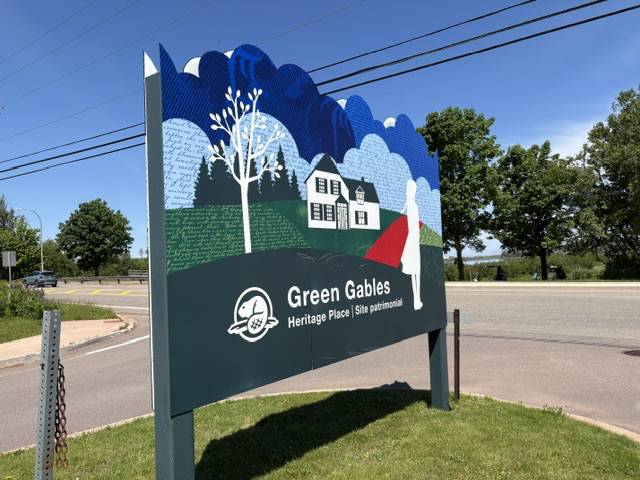
Green Gables Heritage Place is in Cavendish, on the north shore of Prince Edward Island. The house is real, although it was never L.M. Montgomery’s home. The farm belonged to David and Margaret MacNeil, relatives of Montgomery’s grandfather. The oldest portion of the farmhouse dates to about 1830. Montgomery grew up with her maternal grandparents only about a kilometer away and knew this farm and the surrounding countryside well.
It was this landscape that helped Montgomery create the fictional world of Avonlea. She explored the woods and paths around the farm and gave names to places such as Lover’s Lane and the Haunted Wood. When Anne of Green Gables was published in 1908, readers quickly recognized Cavendish in Montgomery’s descriptions. Visitors soon began arriving on Prince Edward Island looking for Green Gables and the places they had encountered in the book.
Green Gables became part of Prince Edward Island National Park when the property was acquired by Parks Canada in 1936 and the national park was established the following year. Today it is also part of L.M. Montgomery’s Cavendish National Historic Site, which recognizes both Green Gables and the nearby property where Montgomery actually grew up.
Our first visit was quite different from this one. We came to Prince Edward Island with our young daughters, taking the ferry across to the Island. Green Gables was part of a family trip built around books we had read together. While we were there, we also went into Charlottetown to see Anne of Green Gables on stage. Seeing the house, the landscape, and then the story performed made Montgomery’s world much more tangible for all of us.
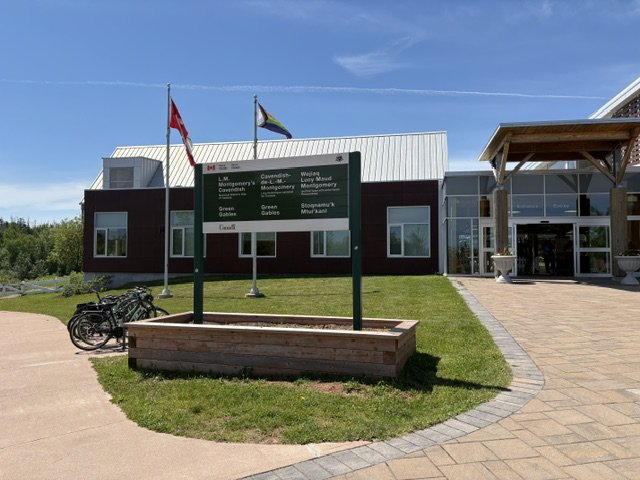
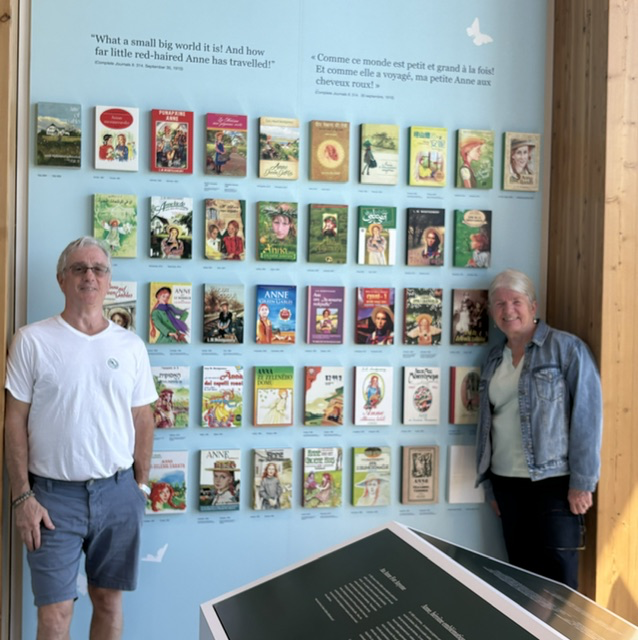
Returning all these years later brought back those memories, although there have been some changes. The Green Gables site now has a much larger and more modern visitor and interpretation center, with exhibits devoted to Montgomery, her writing, and the worldwide influence of Anne. The farm buildings and landscape have also been restored to more accurately represent the place Montgomery would have known.
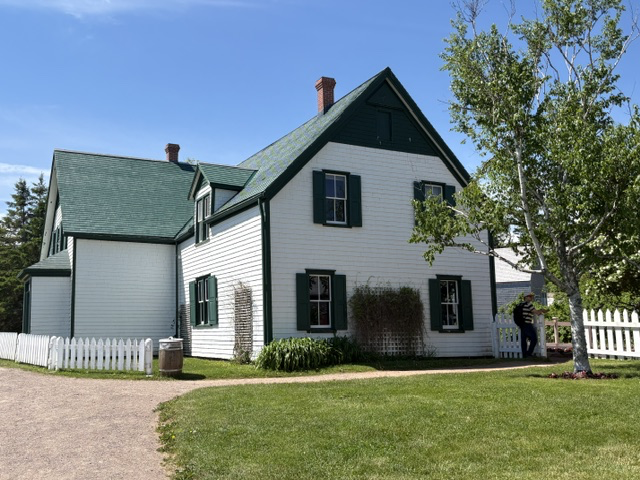
But the most important part remains unchanged. The white farmhouse with its green gables is still there, surrounded by the landscape that inspired Montgomery’s imagination.
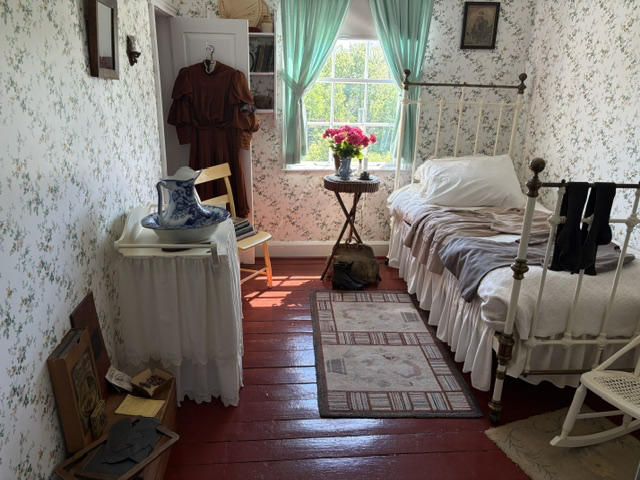
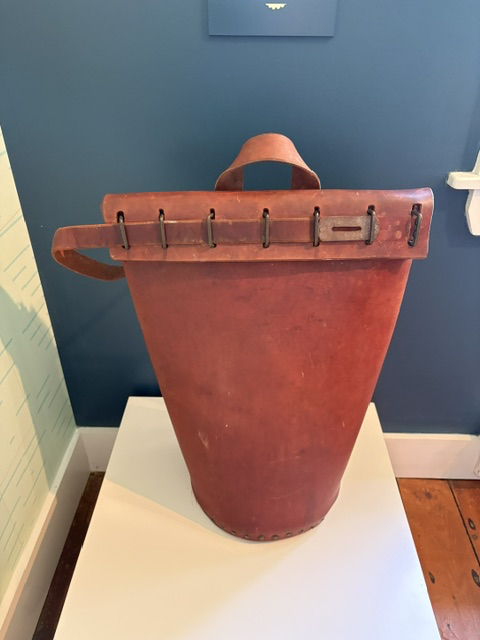
Read More From Nancy
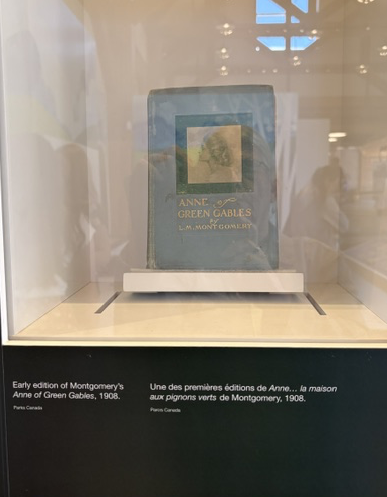
The Book That Made the Journey
This early edition of Anne of Green Gables, published in 1908, represents far more than the beginning of one of the world’s best-loved books. Looking at it after learning how Lucy Maud Montgomery’s manuscript reached her Boston publisher made me realize just how much had to happen before Anne could ever reach her readers. Montgomery […]
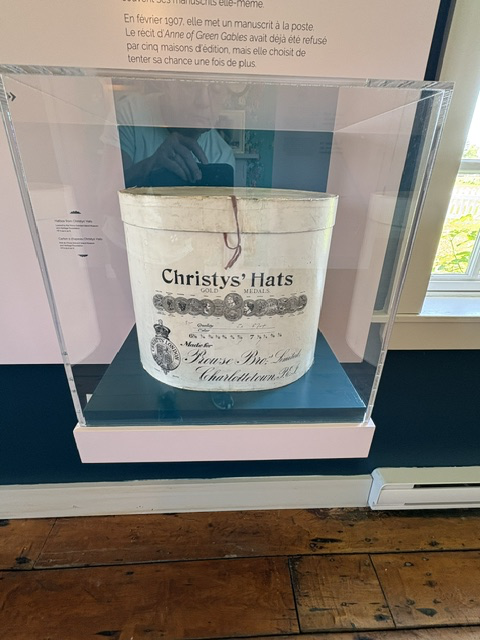
Hatbox Representing Montgomery’s Stored Manuscript
Before Anne of Green Gables traveled from Prince Edward Island to a publisher in Boston, there was a moment when the journey might never have happened at all. Lucy Maud Montgomery completed the manuscript in 1905 and began sending it to publishers. It was rejected several times. Eventually, discouraged by the responses, she stopped trying […]
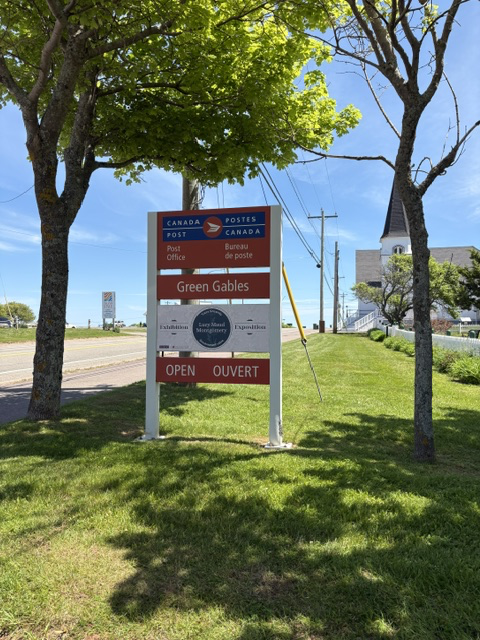
Green Gables Post Office
When we stopped at the Green Gables Post Office in Cavendish, I was reminded that before Anne of Green Gables could become one of the world’s most beloved books, the manuscript first had to make a very real journey off Prince Edward Island. Lucy Maud Montgomery completed Anne of Green Gables in 1905. She submitted […]

